
Blog, Buying Guides
How to Buy Fine Jewelry: The Complete Buying Guide

Key Takeaways: How to Buy Fine Jewelry
- Fine jewelry means solid precious metal and natural gemstones — and the boundary is written into federal rules. Under the FTC Jewelry Guides (16 CFR Part 23), vermeil is sterling silver under at least 2.5 microns of gold, and “gold electroplate” may be as thin as 0.175 microns — a coating measured in millionths of an inch, imitating an alloy that is gold throughout.
- The 10-karat legal minimum ended in July 2018. The FTC removed the threshold in its revision of the Jewelry Guides, so alloys below 10 karats — including the 9-karat gold long standard in Britain — may be sold as gold in the United States provided the karat fineness is disclosed. Much published advice still states the old rule.
- A quality stamp legally requires a maker’s trademark beside it. United States law does not require jewelry to be marked at all, but under 15 U.S.C. §297 a karat stamp must be accompanied by a registered trademark applied the same way, at least as large, and as close as possible. A bare “14K” with no maker’s mark beside it is a warning.
- Treatment disclosure is a federal rule with three triggers, not a courtesy. FTC §23.24 requires disclosure whenever a gemstone treatment is not permanent, creates special care requirements, or significantly affects value. Those three conditions are the questions to ask before paying.
- Wear decides the stone. Diamond, ruby, and sapphire (Mohs 9–10) suit a ring worn daily; emerald, opal, and pearl call for protective settings or occasional wear regardless of what they cost.
What Is the Right Way to Buy Fine Jewelry?
How to buy fine jewelry comes down to six decisions, taken in order: define how the piece will be worn, set the budget, choose the metal, choose the stone, read the quality marks and disclosures, and vet the seller’s guarantee and aftercare. Each step has objective checks — most of them written into United States federal trade rules.
How to Buy Fine Jewelry: The Six-Step Checklist at a Glance
| Step | The decision | What to verify before paying |
|---|---|---|
| 1. Define the piece | Daily wear or occasional; ring, earring, pendant, brooch, or bracelet | The wear pattern narrows the stone and setting — not the other way around |
| 2. Set the budget | What the money buys: stone first, then metal weight, then workmanship | A price far below market has a reason. Ask what it is |
| 3. Choose the metal | Karat and color of gold, or platinum | Karat fineness stated plainly; rhodium plating on white gold disclosed (FTC §23.7) |
| 4. Choose the stone | Natural or laboratory-grown; species, color, and durability for the intended wear | Treatments disclosed under the three conditions of FTC §23.24 |
| 5. Read the marks | Quality stamp and the registered trademark beside it | A stamp without a maker’s trademark fails 15 U.S.C. §297 |
| 6. Vet the seller | Guarantee, return window, sizing, and aftercare | Both the guarantee and the return terms in writing, before payment |
What Actually Counts as Fine Jewelry?
Any serious answer to how to buy fine jewelry has to begin by defining the term, because the trade uses it loosely and the price difference it conceals is enormous. In the strict sense, fine jewelry is made of solid precious metal — gold or platinum, with sterling silver at the category’s border — and set with natural gemstones. Fashion jewelry is everything else: base metals, simulants, and coatings. Between the two sits a graduated family of surface treatments, and the FTC Jewelry Guides define each layer with unusual precision.
| Term | What it means under 16 CFR Part 23 | What to expect over time |
|---|---|---|
| Solid gold | The alloy is gold throughout, at the stamped karat fineness | Can be sized, repaired, re-polished, and re-set for generations |
| Vermeil | Sterling silver base under gold of at least 10-karat fineness and at least 2.5 microns thick (§23.4) | The most durable of the plated grades; the gold layer still wears through with daily friction |
| Heavy gold electroplate | Electroplated gold equivalent to at least 2.5 microns of fine gold (§23.3) | Years of careful wear; not repairable by ordinary bench methods without re-plating |
| Gold electroplate | Electroplated gold equivalent to as little as 0.175 microns of fine gold (§23.3) | The color is real; the thickness is millionths of an inch, and it goes first at edges and clasps |
| Fashion jewelry | Base metal, with or without simulated stones | Priced to be replaced, not repaired |
None of these categories is dishonest in itself; vermeil honestly described is a legitimate product. The dishonesty enters when one category is priced or presented as another, which is why the definitions above are worth knowing before any other step in this guide. Our own work sits at one end of the table — solid gold, set with natural gemstones — and the rest of this guide is written from that bench.
How Should You Set a Budget for Fine Jewelry?
Begin with what the money actually buys. In a typical gem-set piece the stone is the largest single cost, followed by the weight of precious metal, followed by the workmanship — though the proportions shift with the design, and in heavily hand-worked pieces the labor can rival the stone. Knowing the order matters because it tells you where a low price comes from: a piece offered far below market is economizing somewhere, and the somewhere is usually an undisclosed treatment, a composite or simulated stone, a thinner metal section, or plating sold as solid.
Two principles keep a budget honest. First, buy the piece as an object to be worn and kept, not as a financial instrument. Gemstone and precious-metal prices move, and no honest seller guarantees appreciation; we do not present jewelry as an investment, and neither should anyone selling it to you. Second, put the budget where the wear is. A ring worn daily earns its metal weight and its protective setting; a brooch worn twice a year can carry a more delicate stone safely.
It is also worth understanding how the piece is made, because the making shapes the price. A ready-to-ship piece exists and can be examined and delivered at once. A made-to-order or bespoke commission is built for you — stone, size, and specification chosen to order — and trades immediacy for exactness. Neither route is cheaper by nature, but the second puts the budget under your control at each decision rather than presenting a finished total.
Which Precious Metal Should You Choose?
Gold is alloyed for jewelry because pure gold is too soft to hold a stone securely, and the karat figure states the proportion: 24 parts describe the whole, so 18-karat gold is 18 parts gold in 24, or 750 parts per thousand. The choice of karat is a trade-off between color, hardness, and cost, and it is worth making deliberately rather than by habit.
| Karat | Fine gold content | Character at the bench | Suited to |
|---|---|---|---|
| 24K | 999 ‰ | Pure gold: the deepest color and far too soft to hold a set stone through daily wear | Ceremonial and cultural pieces; rarely for gem-set work |
| 22K | 916 ‰ | Rich color, still soft; favors unset or lightly set designs | Occasional wear and traditional goldwork |
| 18K | 750 ‰ | The fine-jewelry standard: saturated color that takes crisp engraving and fine detail | Engagement rings, heirloom commissions, detailed hand work |
| 14K | 585 ‰ | Harder-wearing alloy with a lighter color; forgiving of knocks | Rings and bracelets worn every day |
| 9K | 375 ‰ | Pale, robust, and economical; long standard in Britain | Hard-wearing everyday pieces on a considered budget |
One fact in that table deserves emphasis, because most published guidance contradicts it. Until 2018, United States rules held that an alloy below 10 karats could not be marketed as gold at all. The FTC removed that threshold when it revised the Jewelry Guides in July 2018: below-10-karat alloys may now be sold as gold in the United States provided the karat fineness is disclosed, as National Jeweler summarized at the time.
Guides to how to buy fine jewelry that repeat the 10-karat minimum as current law are out of date by nearly a decade. What matters is not a threshold but honest disclosure — 9-karat gold plainly stamped 375 is a legitimate solid-gold purchase, and our own workshop builds in 9-karat through 18-karat gold and platinum.
Color is the second decision. Yellow gold is the metal’s own color. Rose gold takes its warmth from a higher copper share in the alloy. White gold is alloyed toward paleness and then, almost universally, finished with a thin layer of rhodium — a bright, hard platinum-group metal. That layer wears away with time and is routinely re-applied; the Guides treat it seriously enough that §23.7 makes failing to disclose a rhodium surface on precious metal a deceptive practice. Platinum, finally, is used closer to pure (commonly 950 ‰), needs no plating, and develops a soft grey patina that can be re-polished or left as character.
Workshop insight: At the bench we reach for 18-karat where color and detail lead the design — it engraves more crisply and its color survives a lifetime of polishing — and toward 14-karat where the piece must shrug off a desk edge every working day. The karat question is not which alloy is better but which failure you would rather avoid: a softer metal that marks, or a paler color that never quite glows. Decide by the life the piece will lead.
How Do You Choose the Right Gemstone?
Choose the stone in three passes: what it is, what it looks like, and what it can survive. The first pass is a matter of definition. A natural gemstone was formed in the earth; a laboratory-grown stone shares its chemistry but not its origin, and the Guides require that origin to be stated — laboratory-grown material must be clearly qualified as such (§23.12), and §23.27 bars the words “real,” “genuine,” and “natural” for any stone produced artificially. Our own position is stated plainly across this site: we set natural gemstones, and we regard traceable natural material as central to what makes fine jewelry fine.
How Do the 4Cs Frame a Diamond Purchase?
For diamonds, the vocabulary of quality is the 4Cs — color, clarity, cut, and carat weight — a framework introduced by GIA in the mid-twentieth century precisely so that buyers and sellers could stop talking past one another. The practical advice compresses well: carat weight and color are facts you pay for; clarity matters to the eye only below a certain grade; and cut — the one C contributed by a craftsman rather than by geology — is what makes a stone alive or dull. Between two stones of equal price, favor the better cut.
How Does Durability Narrow the Choice?
For colored stones, color governs value — species by species, a fine color commands more than a large size — but wear should govern the shortlist. Two properties matter and they are not the same thing: hardness is resistance to scratching, measured on the Mohs scale, while toughness is resistance to breaking, and a stone can rank high on one and low on the other. Emerald sits at Mohs 7.5 to 8 yet is brittle; topaz reaches 8 with a cleavage plane that a single knock can find. Household dust contains quartz at Mohs 7, so a stone below that line dulls through ordinary handling alone.
| Intended wear | Stones suited to it | Why |
|---|---|---|
| A ring worn daily, worry-free | Diamond, ruby, sapphire | Mohs 9–10; corundum adds excellent toughness and no cleavage plane |
| Daily wear with sensible care | Aquamarine, morganite, garnet | Mohs 7–8 and good behavior under ordinary knocks |
| Regular wear | Amethyst, citrine, onyx, peridot | Mohs 6.5–7; a bezel is prudent where the design allows |
| Protected settings, measured wear | Emerald, topaz | Hard yet brittle, or cleavage-prone; cropped corners and protective mounts exist for them |
| Pendants, earrings, and brooches first | Opal, pearl, coral | Soft or sensitive materials that reward settings a hand does not strike all day |
If the piece is a gift, the birthstone calendar is the classic starting point — every month has at least one official stone, and five months have more than one, which gives a buyer welcome room to match durability to the recipient’s habits rather than forcing a single answer.
Related: Gemstone Meanings & Symbolism: The Complete Guide · Birthstones by Month: All 12 Explained · Diamond Meaning, Symbolism & April Birthstone · Sapphire Meaning, Colors & September Birthstone
What Do Hallmarks and Quality Stamps Actually Tell You?
Less than most buyers assume, and more than most sellers explain. The United States, unlike Britain, has no compulsory hallmarking: no law requires gold or silver jewelry to be marked at all, and there is no state assay office striking marks after independent testing. What American law regulates is the mark once a maker chooses to apply one — a framework created by the National Gold and Silver Stamping Act of 1906 and sharpened since.
The sharpest edge is the one almost no buying guide quotes. Under 15 U.S.C. §297, a quality stamp — 14K, 750, 925 — must be accompanied by the registered trademark of the maker or seller who stands behind it, applied by the same means, in lettering at least as large, as close as possible to the quality mark. The requirement dates to a 1961 amendment, and its logic is accountability: the trademark tells you who is legally answerable if the stamp overstates the metal. Since 1981 the tolerance has been strict — actual fineness may fall short of the stamp by no more than three parts per thousand, solder aside.
Reading marks therefore takes one minute and answers two questions. The fineness numbers translate directly: 375 is 9-karat, 585 is 14-karat, 750 is 18-karat, 916 is 22-karat, 925 is sterling silver, and 950 or PLAT marks platinum. And the company the number keeps matters as much as the number: a karat stamp sitting alone, with no maker’s trademark beside it, is a claim nobody has signed.
Workshop insight: An unmarked piece is not necessarily a fake — marking is voluntary in the United States, and much fine antique-inspired and workshop-made jewelry carries minimal stamping. A marked piece with no trademark is the pattern to treat cautiously. When we assess an unfamiliar piece at the bench, the stamp is the beginning of the inquiry, never the end of it: metal can be tested non-destructively in minutes, and a reputable jeweler will do so before any purchase you ask them to examine.
When Do Treatments and Certification Matter?
Most colored gemstones on the market are treated in some way, and the honest question is not whether treatment exists but whether it is disclosed as the rules require. Advice on how to buy fine jewelry rarely cites the actual rule, so here it is. FTC §23.24 requires a seller to disclose a gemstone treatment under any of three conditions: the treatment is not permanent; the treatment creates special care requirements; or the treatment significantly affects the stone’s value.
Applied to the common cases, the rule sorts the market cleanly. Heat treatment in ruby and sapphire is standard practice, stable, and needs no special care — but where it bears on value it belongs in the conversation. Emerald is routinely improved with oils or resins that are not permanent and impose real care requirements — no ultrasonic cleaning, no steam — so that treatment must be disclosed. Blue topaz is nearly always irradiated and heated; most citrine began as heat-treated amethyst; onyx is commonly dyed. None of these treatments makes a stone illegitimate. An undisclosed treatment makes a price illegitimate.
Certification answers a different question: not “is this stone treated” but “is this stone what the seller says it is.” An independent grading report — GIA’s is the reference standard — makes sense for any diamond of consequence, and for a significant colored stone a laboratory report confirming species and treatment is reasonable to request. Small accent stones are not individually certified anywhere in the trade, and their absence from a report is normal rather than suspicious. Ask any seller, ourselves included, two questions in writing: is the stone treated, and which of the three disclosure conditions applies. A seller who cannot answer has answered.
Related: Emerald Meaning & May Birthstone Guide · Ruby Meaning, Symbolism & July Birthstone Guide
How Do You Judge Craftsmanship Before You Buy?
Materials can be certified; workmanship has to be seen. The good news is that the signs of careful making are visible to a patient eye without any instrument beyond a simple loupe, and they are exactly the details a workshop cannot fake in an afternoon. These are the checks we would apply to any piece put in front of us:
- Prong tips. Rounded, evenly sized, evenly spaced, and actually touching the stone. Sharp, thin, or flattened tips catch on fabric now and lose stones later.
- Stone security. Held beside the ear and tapped gently, a well-set piece is silent. Any rattle means a stone is loose in its seat.
- The back of the piece. Turn it over. An open, cleanly finished gallery lets light through the stone and lets cleaning reach it; rough solder, tool marks, and closed, casting-textured backs are where hurried work hides.
- Edges and detail. Milgrain — the row of tiny beads along an edge, a signature of Art Deco-inspired and Edwardian-inspired work — should be crisp and continuous under magnification. Engraving should have clean walls, not dragged furrows.
- Moving parts. Clasps close with a positive click, hinges move without slack, and ear posts sit straight and centered.
- Weight. Solid precious metal has a density the hand learns quickly. A piece that feels airy for its size deserves a direct question about metal and construction.
Workshop insight: The underside of a piece is where a workshop tells the truth. The visible face is finished because it sells the piece; the gallery, the inside of the shank, and the seats under the stones are finished only if the maker finishes everything as a matter of course. When we examine jewelry, we start from the back — and when we make it, we finish the back first.
Hand work of this kind is also the strongest argument for buying from the maker rather than from an intermediary: the person who set the stone can tell you exactly how it is held, what the setting protects it from, and how the piece should be serviced across its life. That conversation is the quiet advantage of a made-to-order and bespoke model.
How Should You Buy Fine Jewelry Online?
The question of how to buy fine jewelry online is largely the question of how to verify at a distance, and every check in this guide has a written equivalent. Ask for photographs or video of the actual piece rather than catalogue renders. Ask for the treatment disclosure and any report in writing before payment. Confirm the metal fineness and the stone’s identity in the listing itself, because the listing is the representation the law holds a seller to.
Then read the seller’s own pages, in this order. Sizing first: a ring bought in the wrong size begins its life at the repair bench, and a size guide answers the question in minutes. The return policy next, for the stated window and its conditions — our own return and exchange policy allows thirty days from delivery for unworn pieces. The guarantee after that, for what is actually promised about materials and workmanship. And the FAQ for the practical matters — shipping, insurance, and aftercare — that decide how the purchase feels in practice.
Made-to-order work adds one expectation worth setting correctly: a commissioned piece takes weeks rather than days — typically four to eight for a bespoke commission in our own workshop — because the stone is sourced and the piece is built for you. Online or in person, a seller who welcomes questions before the sale is showing you how they will behave after it.
What Should You Remember When You Buy Fine Jewelry?
How to buy fine jewelry, reduced to its essentials: decide the life the piece will lead before deciding anything else, and let that decision choose the metal and the stone. Know the definitions, because “gold” spans everything from a 0.175-micron coating to a solid 18-karat alloy, and the price difference lives in the fine print. Read the marks with the trademark rule in mind, ask the treatment question with the FTC’s three conditions in mind, and turn the piece over — the back tells you more about the maker than the front does.
The rules quoted through this guide — 16 CFR Part 23 and 15 U.S.C. §297 — exist because every one of these corners has been cut before. None of them requires expertise to use. They require only the patience to ask, in writing, what a piece is made of, what has been done to its stone, and who stands behind the stamp. A seller worth buying from answers all three without hesitation — and the piece that survives those questions is the one worth keeping for a lifetime.
Sources: FTC — Guides for the Jewelry, Precious Metals, and Pewter Industries (16 CFR Part 23) · FTC — FTC Approves Final Revisions to Jewelry Guides (July 2018) · 15 U.S.C. §297 — National Gold and Silver Stamping Act (Cornell LII) · GIA — The 4Cs of Diamond Quality · National Jeweler — 8 Key Changes the FTC Made to the Jewelry Guides
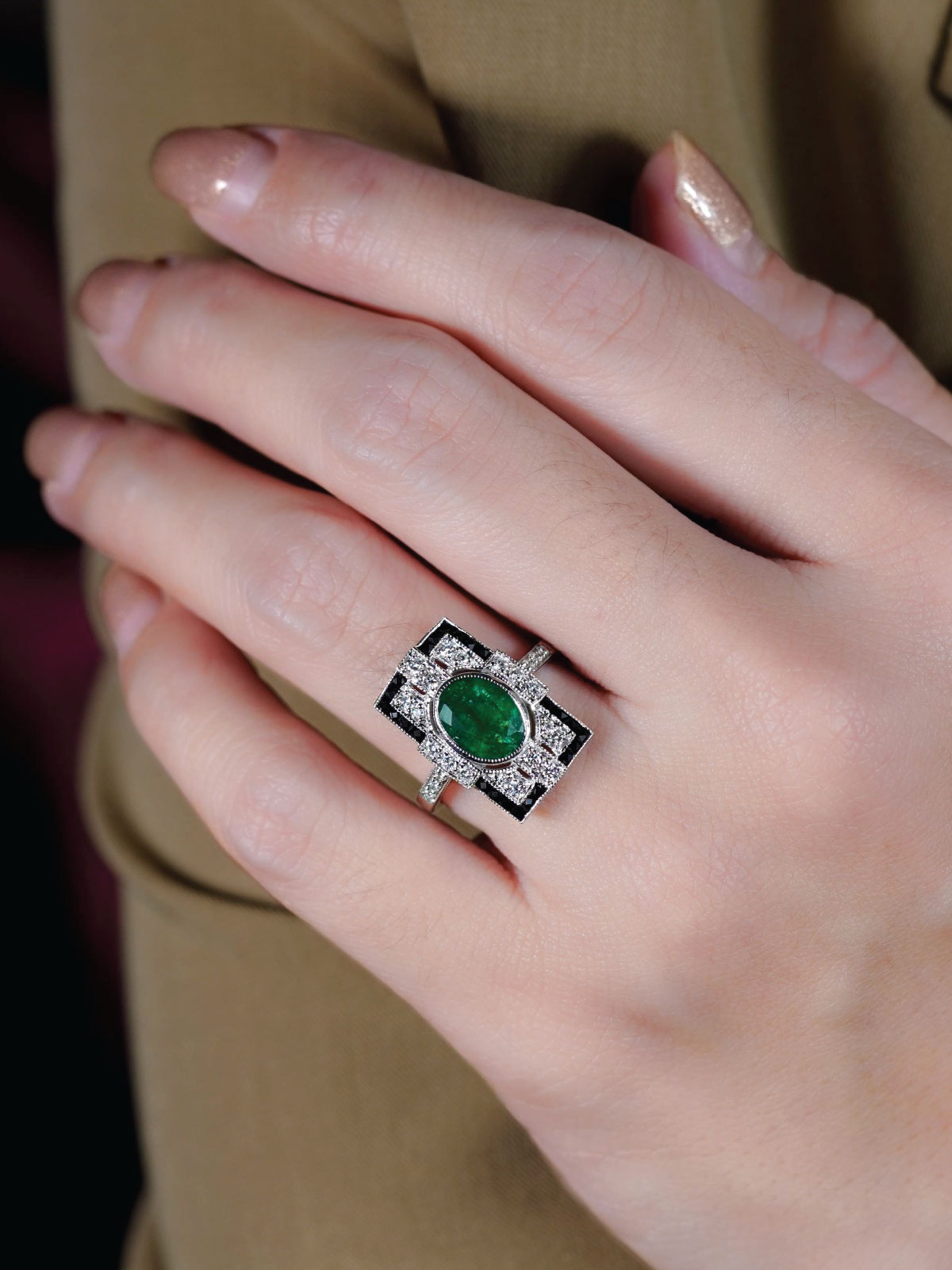
Ring
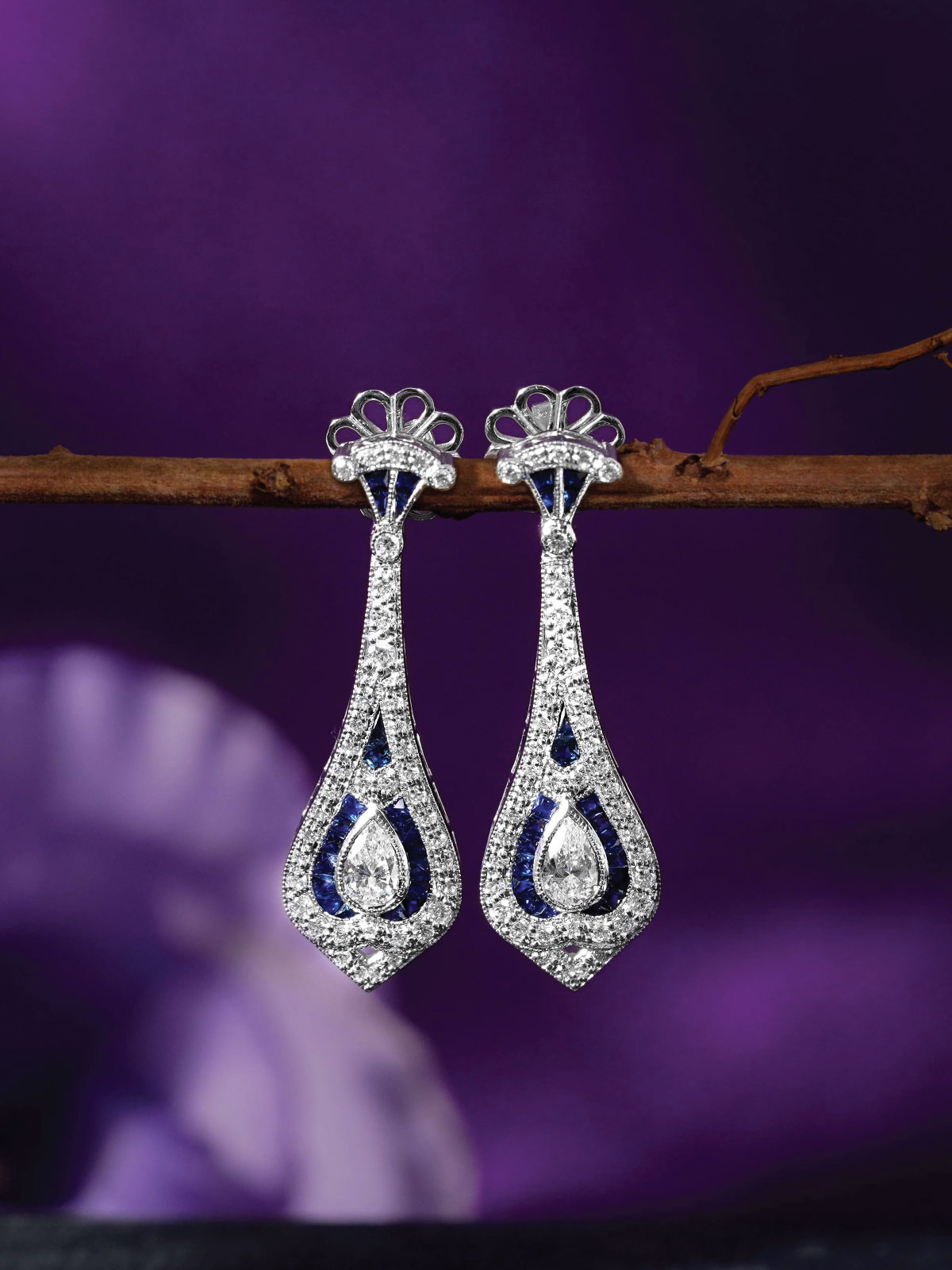
Earrings
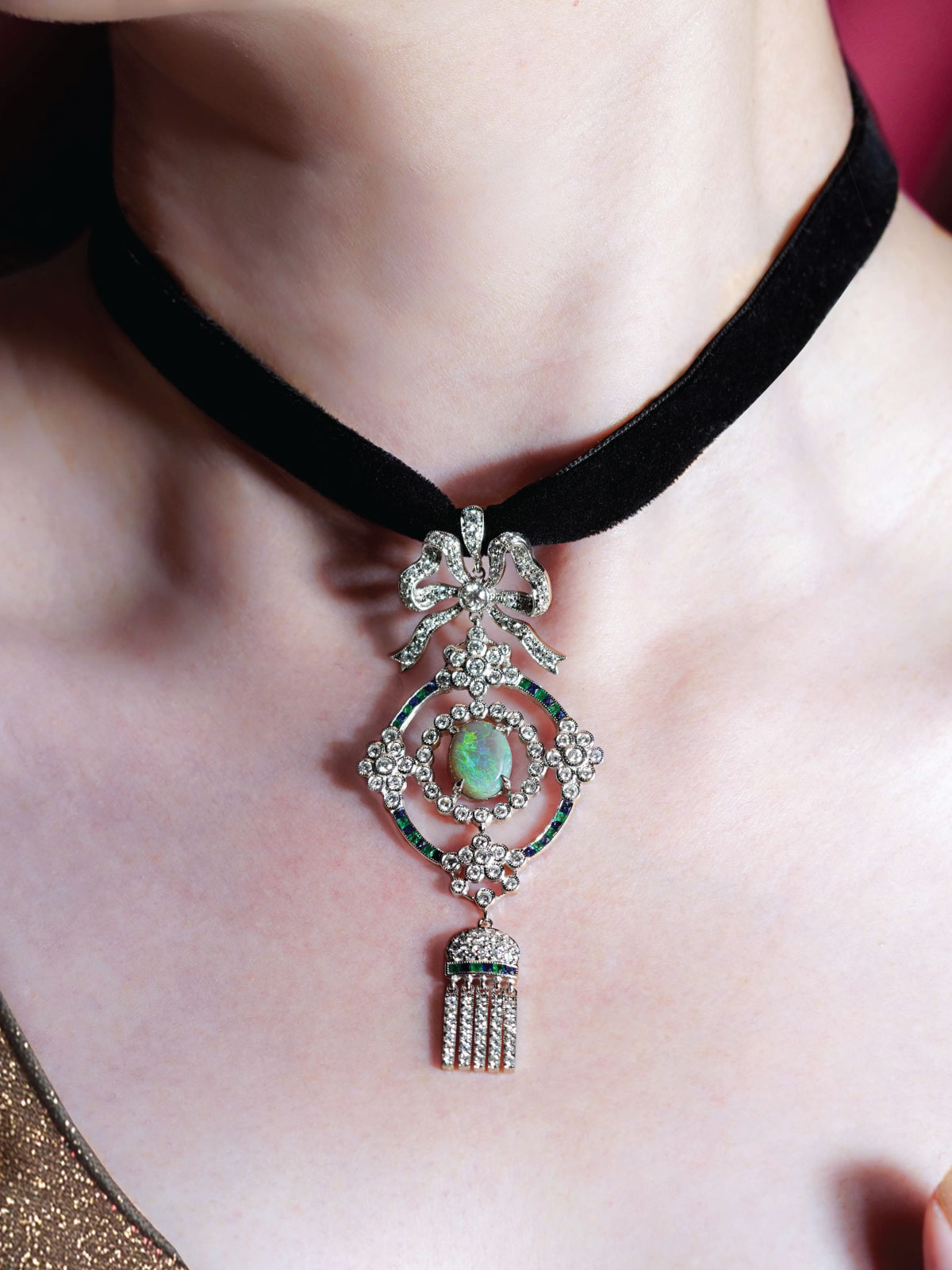
Pendant & Necklace
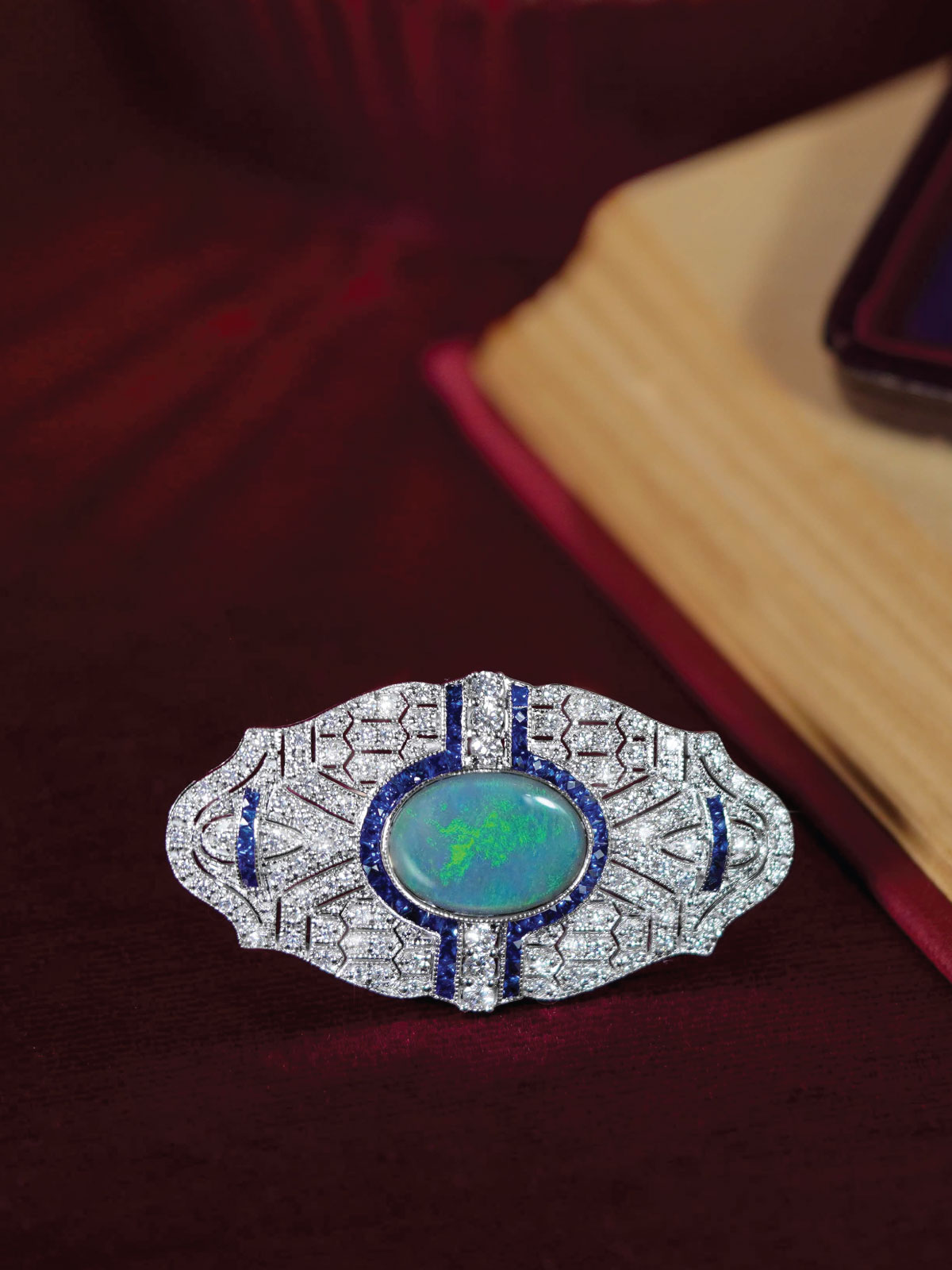
Brooch
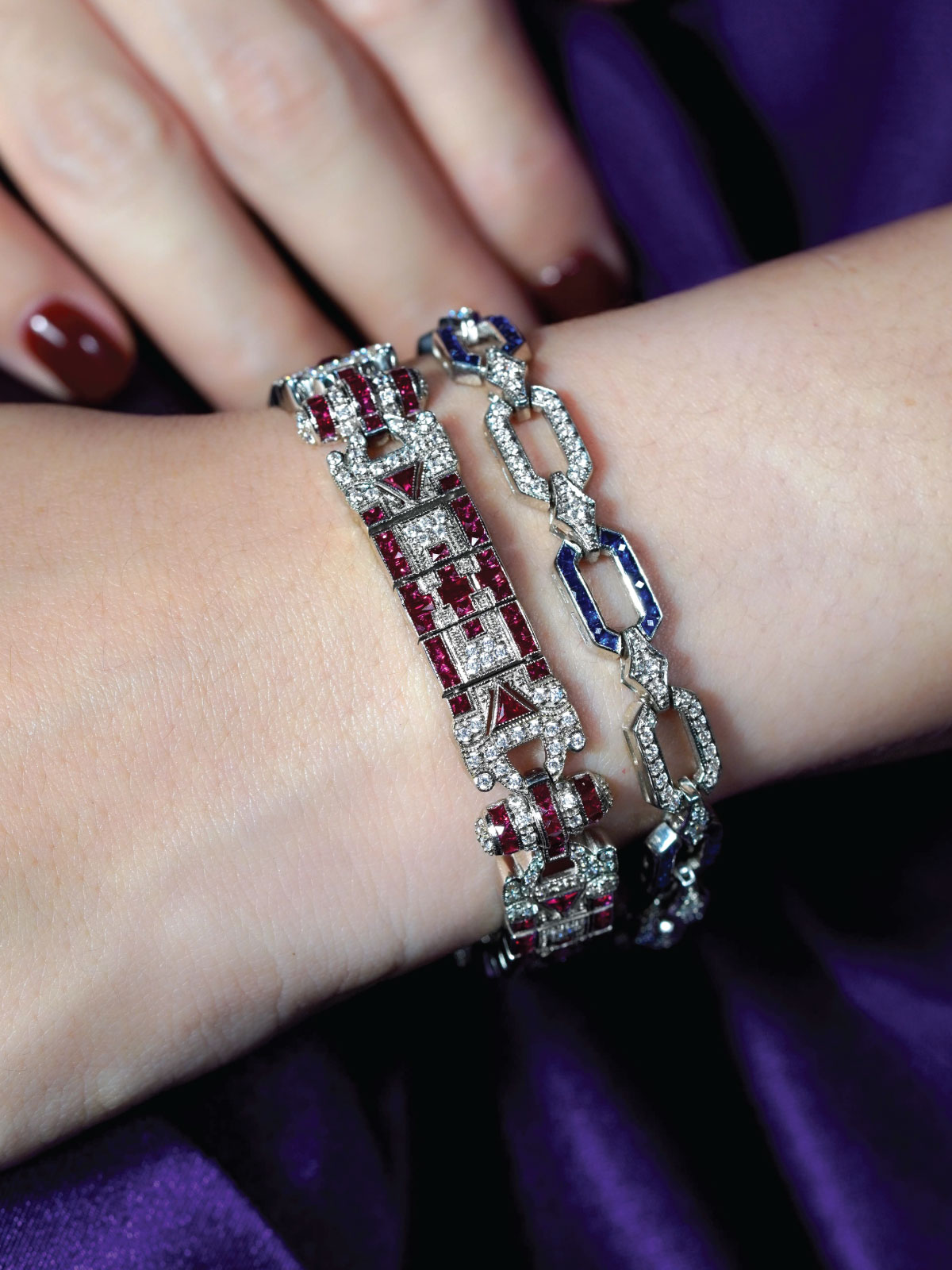
Bracelet
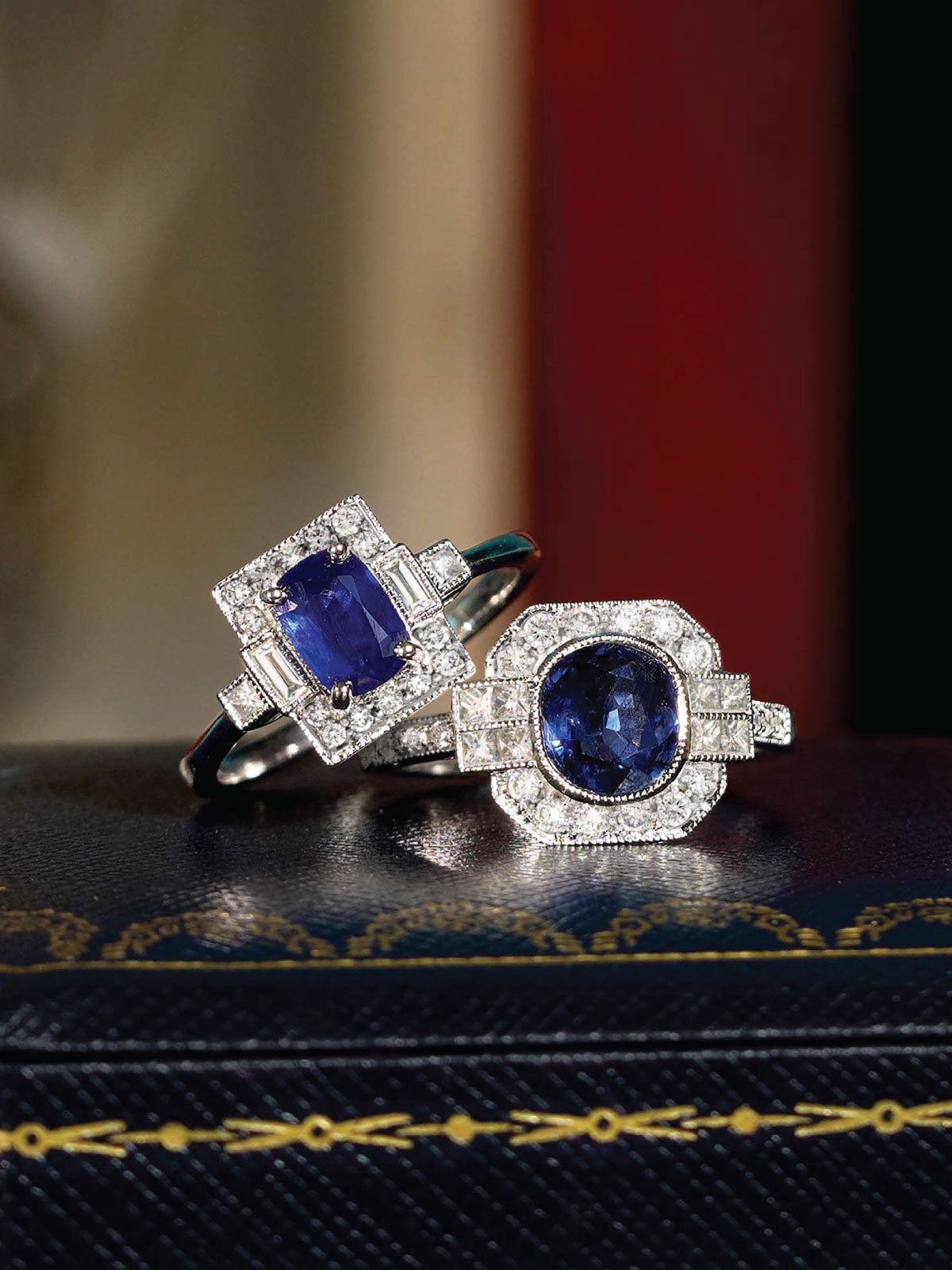
Jewelry Set
Frequently Asked Questions About Buying Fine Jewelry
What is considered fine jewelry?
Fine jewelry is made of solid precious metal — gold or platinum, with sterling silver at the category’s border — and set with natural gemstones. Plated goods such as vermeil and gold electroplate carry only a surface layer of gold, defined by thickness in the FTC Jewelry Guides, and fashion jewelry is base metal with simulated stones. Only solid pieces can be sized, repaired, and refinished for generations.
What karat of gold is best for everyday wear?
For a ring or bracelet worn daily, 14-karat gold offers the best balance of durability and color, while 18-karat gives a richer color in a softer alloy suited to detailed work. Since the FTC’s 2018 revision of the Jewelry Guides, alloys below 10 karats — such as the robust 9-karat standard in Britain — may also be sold as gold in the United States provided the fineness is disclosed.
Do you need a certificate to buy fine jewelry?
An independent grading report, such as GIA’s, is reasonable for any diamond of consequence and for significant colored stones, where it confirms species and treatment. Small accent stones are not individually certified anywhere in the trade, so their absence from a report is normal. Whatever the paperwork, ask the seller in writing whether the stone is treated and how.
How can you tell if gold jewelry is real?
Start with the marks. A fineness stamp — 375, 585, 750, or 925 — must by United States law be accompanied by the maker’s registered trademark; a stamp standing alone is a claim nobody has signed. An unmarked piece is not necessarily fake, because marking is voluntary in the United States, and any reputable jeweler can test the metal non-destructively in minutes.
Is it safe to buy fine jewelry online?
Yes, provided every claim is verified in writing before payment. Ask for photographs or video of the actual piece, the metal fineness and stone identity in the listing, and the treatment disclosure. Then confirm your size against the seller’s size guide and read the return policy and guarantee for the stated window and what is actually promised.