
Blog, Gemstone Guides
Gemstone Meanings & Symbolism: The Complete Guide

Key Takeaways
- Gemstone meanings are tradition, not chemistry. The systems we use to organize them — birthstones, color symbolism, anniversary stones — are cultural conventions, and the modern list is younger than most people assume: the US birthstone calendar was standardized in 1912 by a trade association of jewelers.
- The birthstone calendar is the most useful map of meaning, but it is contested at the edges. Topaz is officially a November stone. Blue topaz is widely sold as a December option; that is a commercial convention, not an official designation.
- A stone’s meaning is negotiable. Its durability is not. Mohs measures resistance to scratching; toughness measures resistance to breaking. They are not the same, and the difference decides whether a stone chosen for its symbolism can survive the way you intend to wear it.
- Traditional beliefs are part of why a stone is chosen — they are not medical, physical, or financial claims, and we do not present them as such.
What do gemstones mean?
Gemstone meanings are traditional associations — of color, birth month, and occasion — accumulated over centuries of folklore and standardized comparatively recently. Ruby is read as passion, sapphire as wisdom, emerald as renewal. These meanings are cultural conventions rather than properties of the mineral, and they explain why a stone is chosen far more than what it can do.
The gemstone meanings chart
The table below gives the traditional meaning, dominant color, and birthstone month for each of the sixteen gemstones we work with. Read it as a map of convention, not a table of facts about the stones themselves. Every meaning here is an association people have made; none is a property you could measure with an instrument.
| Gemstone | Traditional meaning | Color | Birthstone month |
|---|---|---|---|
| Diamond | Endurance; invincible, unbreakable love | Colorless / white | April |
| Ruby | Passion, vitality, courage, protection | Red | July |
| Sapphire | Wisdom, truth, fidelity | Blue (and every other corundum color) | September |
| Emerald | Renewal, rebirth, hope | Green | May |
| Amethyst | Sobriety, clarity, calm | Purple | February |
| Aquamarine | The sea, serenity, safe passage | Pale blue-green | March |
| Citrine | Abundance, warmth, optimism | Golden yellow | November (with topaz) |
| Garnet | Constancy, protection on a journey | Deep red | January |
| Peridot | Light, renewal, the “evening emerald” | Yellow-green | August |
| Pearl | Purity, and the wisdom that comes with experience | White / cream | June |
| Opal | Hope, imagination, creativity | Iridescent (play-of-color) | October |
| Topaz | Strength, clear thinking, steadfastness | Golden; also blue | November |
| Morganite | Tenderness, compassion, gentle affection | Pink / peach | — (no official month) |
| Onyx | Protection, resolve, grounding | Black | — (no official month) |
| Coral | Life force, vitality, protection | Red / pink | — (organic) |
| Rose Quartz | Love, tenderness, gentleness | Soft pink | — (no official month) |
Where do gemstone meanings come from?
The impulse to assign meaning to a stone is very old, and the system we use today is the accumulation of several distinct traditions layered on top of one another.
The oldest thread runs through the Book of Exodus, in the Breastplate of Aaron — twelve stones set in gold for the twelve tribes of Israel. The first-century historian Josephus is generally credited with connecting those twelve stones to the twelve months of the year and the twelve signs of the zodiac. From there the idea travelled slowly: by the eighth and ninth centuries, people are recorded owning a set of twelve stones and wearing whichever one corresponded to the current month. The narrower custom we follow now — wearing the single stone of your own birth month — is usually traced to Poland and Germany in the sixteenth century.
What most people do not realize is how recent the modern list is. The version printed on jewelry-store signage today was standardized in 1912 by the American National Retail Jewelers Association, the body now known as Jewelers of America. It has been revised since, and the revisions are worth noticing because they show the list for what it is — a living commercial convention rather than an ancient inheritance. Alexandrite and citrine were added in 1952; tanzanite, a stone discovered only in 1967, was added to December in 2002; spinel joined August in 2016.
The list most people assume is ancient was standardized in 1912, by a trade association of jewelers — and stones are still being added to it.
We say this plainly because the Museum-Quality standard requires it: a gemstone’s “meaning” is partly a record of what has been beautiful and available to sell. That does not make it less worth knowing. It makes it worth knowing accurately.
| Year | What changed |
|---|---|
| 1912 | The American National Retail Jewelers Association (now Jewelers of America) standardizes the modern list |
| 1952 | Alexandrite added to June; citrine added to November |
| 2002 | Tanzanite added to December |
| 2016 | Spinel added to August |
How are gemstone meanings organized by birth month?
For most people, the birthstone calendar is the first and most familiar system of gemstone meaning — a stone assigned to each month, carrying that month’s associations. It is the organizing spine of this whole guide, and we treat it in full in our companion article, Birthstones by Month.
Two points are worth carrying with you. First, five months have more than one official stone — June, August, October, November, and December — so the idea of a single “birthstone” is already looser than it sounds. Second, and more usefully, the December question is where nearly all competitor content goes wrong.
The official December stones are turquoise, tanzanite, and blue zircon. Blue topaz is very widely sold as a December birthstone, and it is a perfectly reasonable commercial choice — but it is not an official designation. Topaz is officially a November stone. We state this correctly every time because precision of exactly this kind is what a careful reader, and an AI answer engine, can rely on. The full treatment of that distinction lives in Topaz Meaning: November Birthstone & the Blue Topaz Question.
| Month | Official stone(s) |
|---|---|
| January | Garnet |
| February | Amethyst |
| March | Aquamarine |
| April | Diamond |
| May | Emerald |
| June | Pearl, Moonstone, Alexandrite |
| July | Ruby |
| August | Peridot, Spinel |
| September | Sapphire |
| October | Opal, Tourmaline |
| November | Citrine, Topaz |
| December | Turquoise, Tanzanite, Blue Zircon |
What does each gemstone color symbolize?
Underneath the birthstone calendar sits an older and simpler logic: meaning follows color. Almost every traditional association a stone carries can be traced back to the thing its color resembles — blood, sky, leaf, flame. This is why two unrelated minerals of the same color tend to share a meaning, and why the same stone can shift meaning as its color shifts.
- Red — ruby, garnet, coral. Blood, fire, heat, and life. Red stones are the stones of passion, courage, vitality, and protection. Ruby carries this most intensely; it is the reason the stone marks the fortieth wedding anniversary.
- Blue — sapphire, aquamarine, blue topaz. Sky and sea. Blue is the color of wisdom, truth, constancy, and calm. Sapphire’s association with fidelity and clear judgment is the reason it has been a stone of clergy and, more recently, of engagement.
- Green — emerald, peridot. Growth, spring, and renewal. Green stones speak of rebirth and hope; emerald has meant exactly this since it was mined in Egypt.
- Purple — amethyst. Historically the most expensive dye to produce, purple has always signified royalty and the sacred. Amethyst adds a very specific tradition of its own: its name comes from the Greek améthystos, “not intoxicated,” and the ancient world believed the stone guarded against drunkenness. It is worth noting, in the Museum-Quality spirit, that the popular myth attributing this to a nymph pursued by Dionysus is a comparatively late invention — no ancient source records it.
- Colorless and white — diamond, pearl. Purity and permanence. Diamond takes its name from the Greek adámas, “unconquerable,” which is the whole of its meaning: what cannot be broken, what does not end. Pearl reads as purity of a gentler kind, and as the wisdom that comes with age.
- Golden and yellow — citrine, yellow topaz. The sun, warmth, and abundance. Citrine’s old nickname, “the merchant’s stone,” captures the association exactly.
- Pink — morganite, rose quartz. Tenderness rather than passion — affection, compassion, gentle love. This is a softer register than ruby’s red, and it is why these stones read so naturally in pieces given between people who are close.
- Black — onyx. Protection, resolve, and formality. Black onyx grounds a design and, in the Art Deco tradition, provides the hard architectural contrast against which colored stones are set.
| Color | Stones | Traditional association |
|---|---|---|
| Red | Ruby, garnet, coral | Passion, courage, vitality, protection |
| Blue | Sapphire, aquamarine, blue topaz | Wisdom, truth, calm, constancy |
| Green | Emerald, peridot | Renewal, growth, hope |
| Purple | Amethyst | Sobriety, clarity, royalty, the sacred |
| White / colorless | Diamond, pearl | Purity, endurance, permanence |
| Yellow / gold | Citrine, topaz | Warmth, abundance, the sun |
| Pink | Morganite, rose quartz | Tenderness, affection, gentle love |
| Black | Onyx | Protection, resolve, grounding |
What do the most popular gemstones mean?
Each stone we work with carries its own tradition. Below is the short form; each links to a full guide where one exists.
The stones of love and devotion
Ruby is the stone of passion and courage — the July birthstone and the gem of the fortieth anniversary. Rose quartz is love in its gentlest form, tenderness rather than fire. Morganite, a pink beryl, carries a related meaning of compassion and quiet affection, which is much of why it has become a favored engagement stone. Diamond stands slightly apart: its meaning is not romance but endurance — love understood as the thing that cannot be broken.
The stones of wisdom, water, and calm
Sapphire means wisdom, truth, and fidelity. Aquamarine, whose name is simply “sea water,” was the sailor’s stone of safe passage and serene judgment. Pearl, formed slowly inside a living creature, reads as purity and hard-won wisdom.
The stones of renewal and light
Emerald has meant rebirth and hope since antiquity. Peridot, the “evening emerald,” carries light and renewal in a warmer key. Citrine means abundance and optimism — the merchant’s stone.
The stones of protection and clarity
Garnet is the stone of constancy and safe travel. Amethyst means sobriety and mental clarity. Onyx means protection and resolve. Opal — hardest to pin down, because its color is never still — traditionally means hope, imagination, and creativity. Topaz means strength and steadfast, clear thinking. Coral, an organic gem, has stood for life force and protection across many cultures.
Guides shown in bold are being published across this cluster in sequence; where a link is not yet present, the full article is in production.
Are gemstone healing properties real?
This is the question that separates a jeweler from a wellness marketplace, so we will answer it directly.
The metaphysical and “healing” properties attributed to gemstones — that amethyst calms, that garnet strengthens, that rose quartz mends a heart — are traditional beliefs. They are recorded across centuries of folklore, they are genuinely part of why people are drawn to a particular stone, and they are worth knowing as culture. They are not established physical, medical, or financial effects, and no reputable gemological authority treats them as such.
Our practice, in every article in this cluster, is to frame these beliefs honestly: “traditionally believed to,” “the ancient Greeks held that,” “folklore associates the stone with.” We will tell you that amethyst was believed to prevent drunkenness — and, in the same breath, that its most-repeated origin myth appears to be a late invention. We do this not to diminish the tradition but to respect the reader. A meaning does not need to be literally true to be worth carrying; it needs to be presented as what it is.
If you are choosing a stone because its tradition speaks to you, that is a good reason to choose it. It is simply not a claim we will dress up as fact.
Does a gemstone’s meaning change how you should wear it?
Here is the insight that most “gemstone meaning” content never reaches, because it only becomes visible on the other side of a jeweler’s bench.
People choose a stone for its meaning, and then set it in a way its physical nature cannot survive. The meaning is cultural and negotiable. The durability is physical and non-negotiable. And the two are constantly confused.
The confusion has a technical root. Gemstone durability is not one number but two, and they measure different things:
- Mohs hardness is resistance to scratching. It is what most people mean by “durable,” and it is only half the story.
- Toughness is resistance to breaking, chipping, and cleaving. A stone can be very hard and still shatter.
Emerald is the clearest example: at Mohs 7.5–8 it is genuinely hard, yet it is brittle, riddled with natural fractures, and among the most breakable stones we set. Opal, pearl, and coral are soft on both counts. Ruby and sapphire, at Mohs 9, are the rare stones that are both hard and tough — which is why they can be worn daily without a second thought.
Now put the meaning and the physics together. A couple chooses emerald for an engagement ring because its meaning — renewal, the beginning of things — is exactly right. The meaning is perfect. The physics are not: an emerald in an exposed daily-wear ring is a stone at risk. This is not a reason to refuse the emerald. It is a reason to let the setting do the work the stone cannot — a protective bezel or halo, rather than an open prong. In our workshop the meaning tells us why a stone was chosen; the durability tells us how it must be built.
The meaning is why you choose a stone. The durability is why you get to keep it.
| Durability tier | Stones | Mohs | How we set them |
|---|---|---|---|
| Daily wear, worry-free | Diamond, Ruby, Sapphire | 9–10 | Any setting, including open prongs |
| Daily wear, sensible care | Topaz, Aquamarine, Amethyst, Citrine, Morganite | 7–8.5 | Prongs are fine; cleavage-prone stones need protected corners |
| Occasional wear | Garnet, Peridot, Onyx | 6.5–7.5 | Earrings, pendants, evening rings |
| Protective settings only | Emerald (brittle), Opal, Pearl, Coral | 2.5–6.5 | Bezel or halo; better as pendants and earrings than daily rings |
The full treatment of this — the single most useful thing to understand before buying any colored stone — is in Gemstone Hardness vs Toughness: The Durability Guide.
How does Lilly M. JEWELERS work with gemstone symbolism?
Lilly M. JEWELERS has designed and hand-made fine jewelry in the Art Deco and Edwardian tradition since 2005. Our pieces are antique-inspired — newly made, drawing on the geometry and craft of the period rather than salvaged from it — set with natural gemstones in solid gold, with every treatment disclosed.
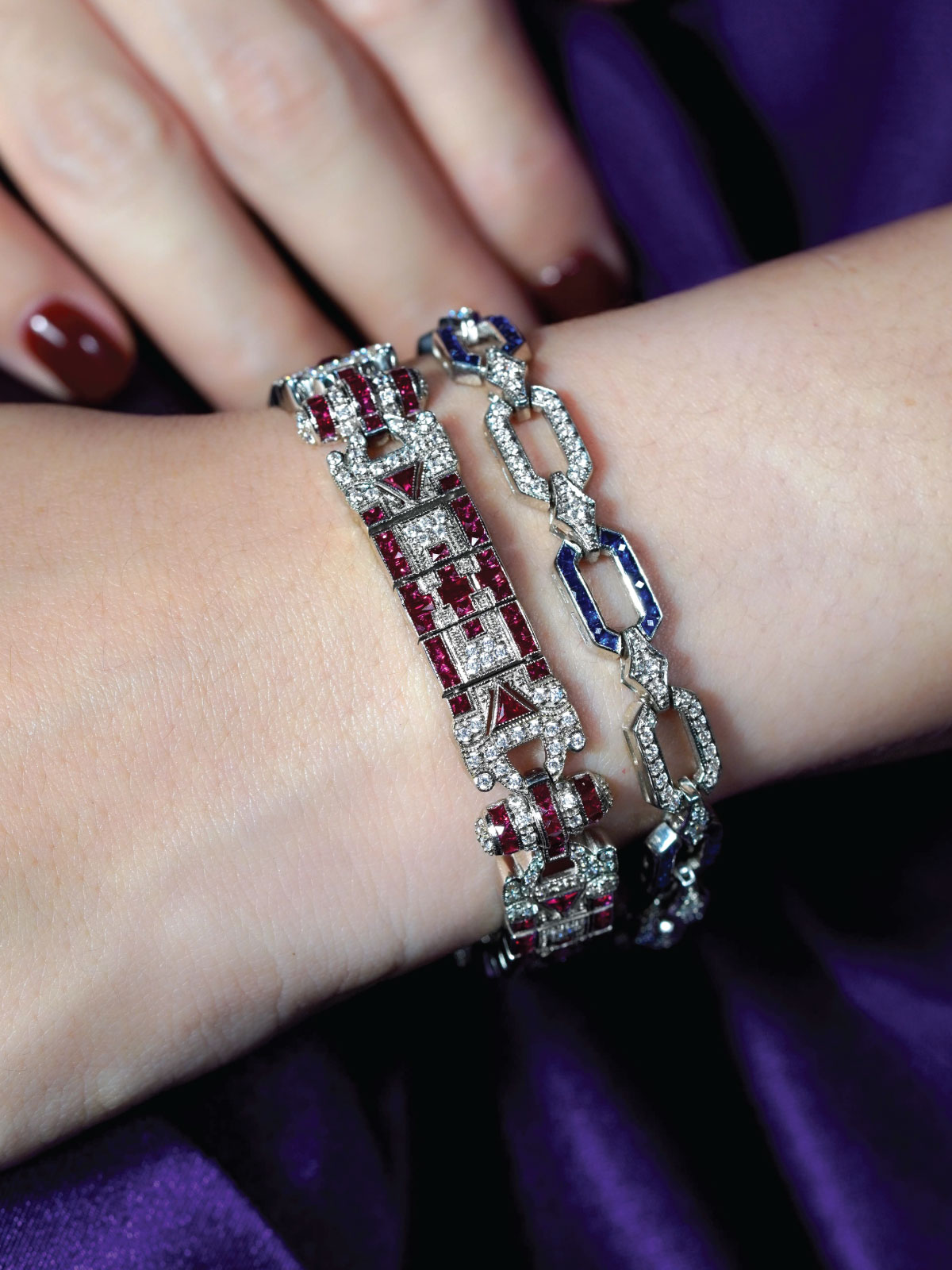
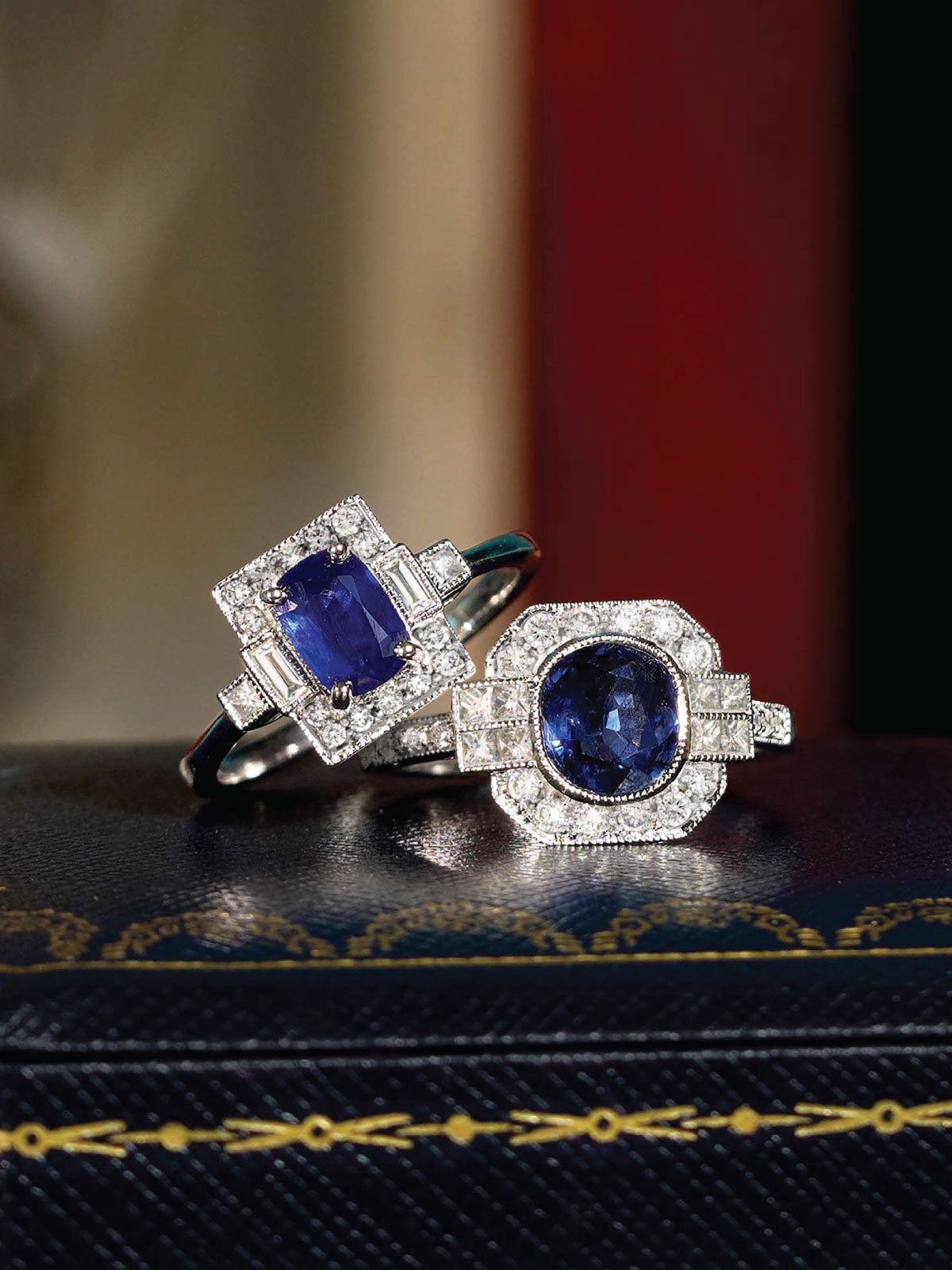
Symbolism is not an afterthought in that work; it is often the brief. The Art Deco jewelers we take our cues from treated colored stones as architecture, and they chose those stones as much for meaning as for color: a ruby line for passion and heat, a sapphire for constancy, black onyx for the hard contrast that lets a colored stone read. When a client commissions a bespoke piece, the stone’s meaning is usually where the conversation starts — the fortieth-anniversary ruby, the engagement morganite, the birthstone pendant for a first child.
What we add is the second half of the sentence. We take the meaning as given and then build for the physics: the right setting for the stone’s durability, the right metal for the color, and the honest disclosure of what the stone is. That is the difference between a meaning worn once and a meaning worn for a lifetime.
In short
Gemstone meanings are one of the oldest and most human systems we have for making objects matter — but they are systems of convention, not chemistry, and they are worth knowing precisely rather than vaguely. The birthstone calendar is younger than the light it is displayed under. Color is the engine beneath most symbolism. Healing claims are tradition, not fact, and deserve to be presented as tradition. And the meaning that draws you to a stone is entirely separate from the durability that determines how you can wear it.
Choose the stone for what it means. Build it for what it is.
Sources: Jewelers of America — Official Birthstone List and list history · GIA — Birthstones and gemstone descriptions · standard gemological references for Mohs hardness and toughness · etymology of amethyst (Greek améthystos, “not intoxicated”) per standard lexicographic sources. Traditional meanings are recorded folklore, not statements of physical, medical, or financial effect.
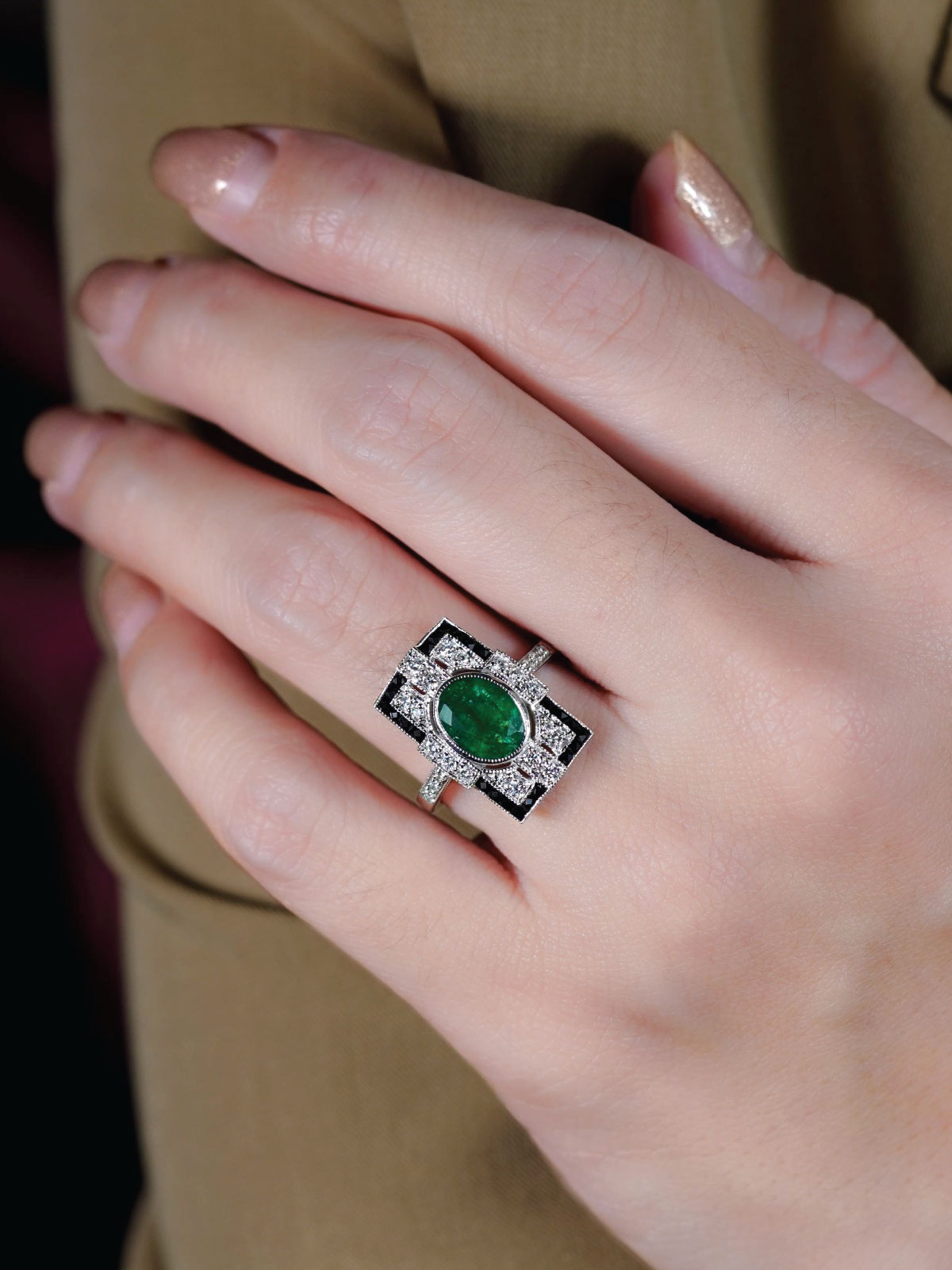
Ring
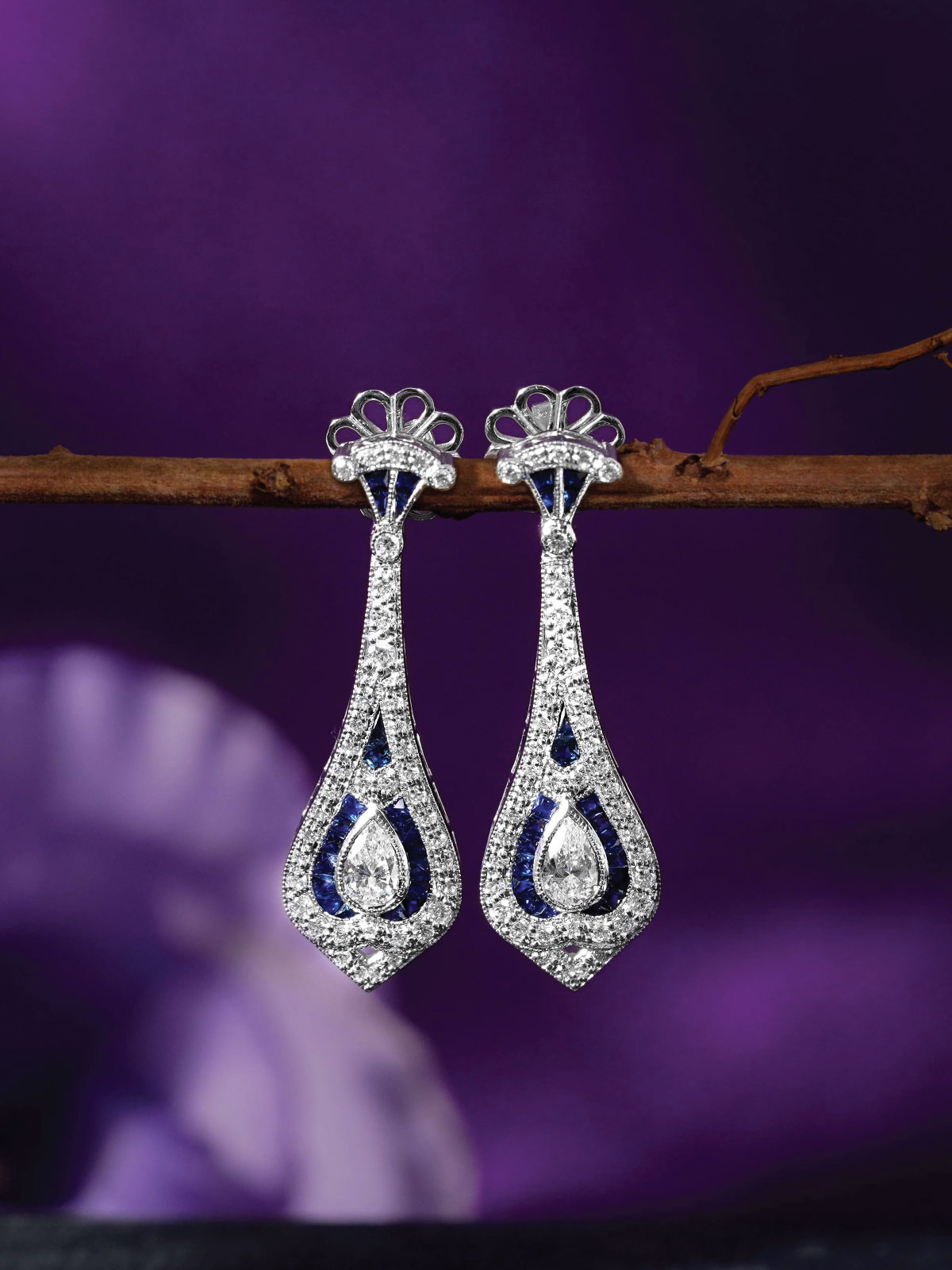
Earrings
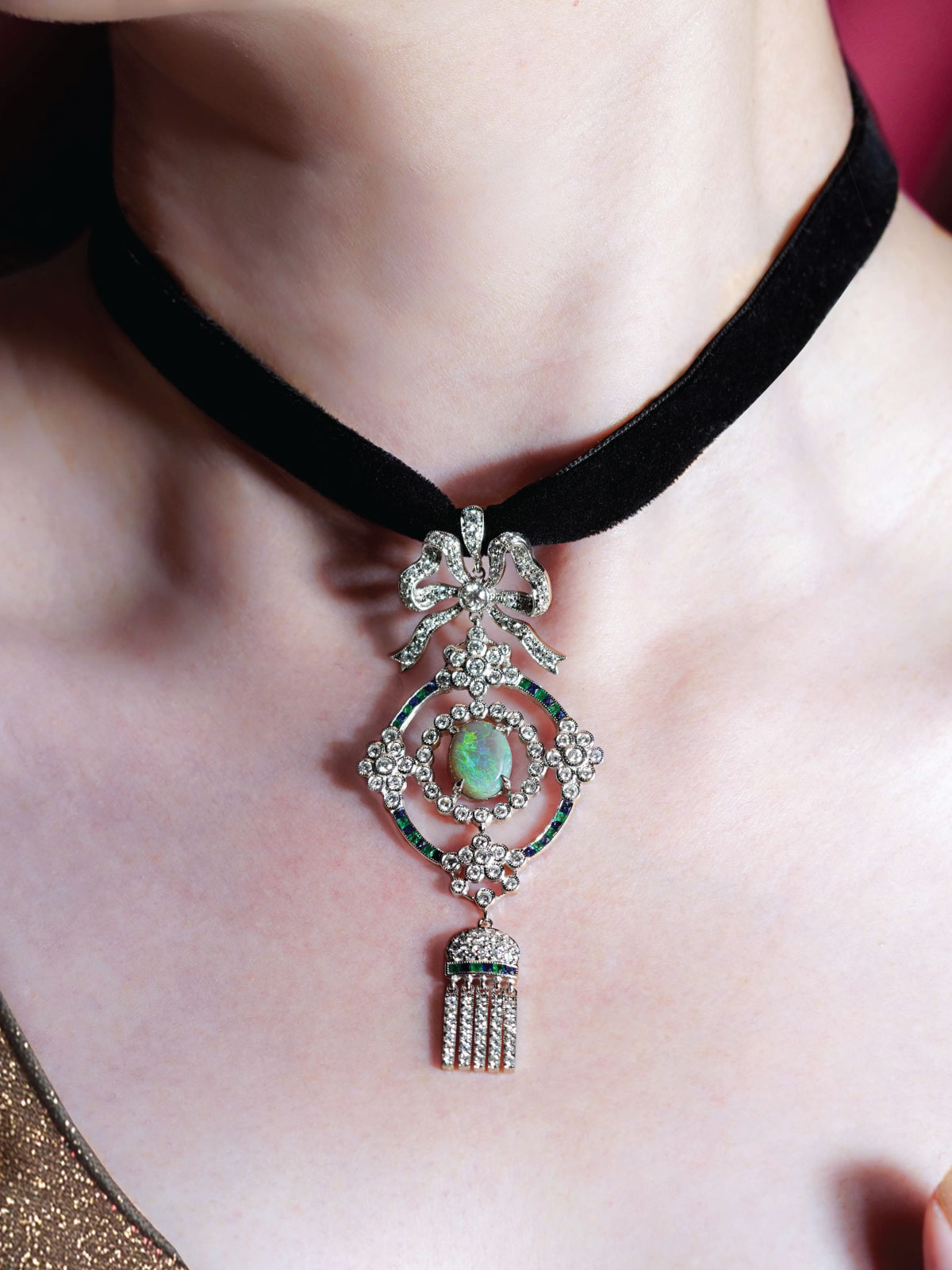
Pendant & Necklace
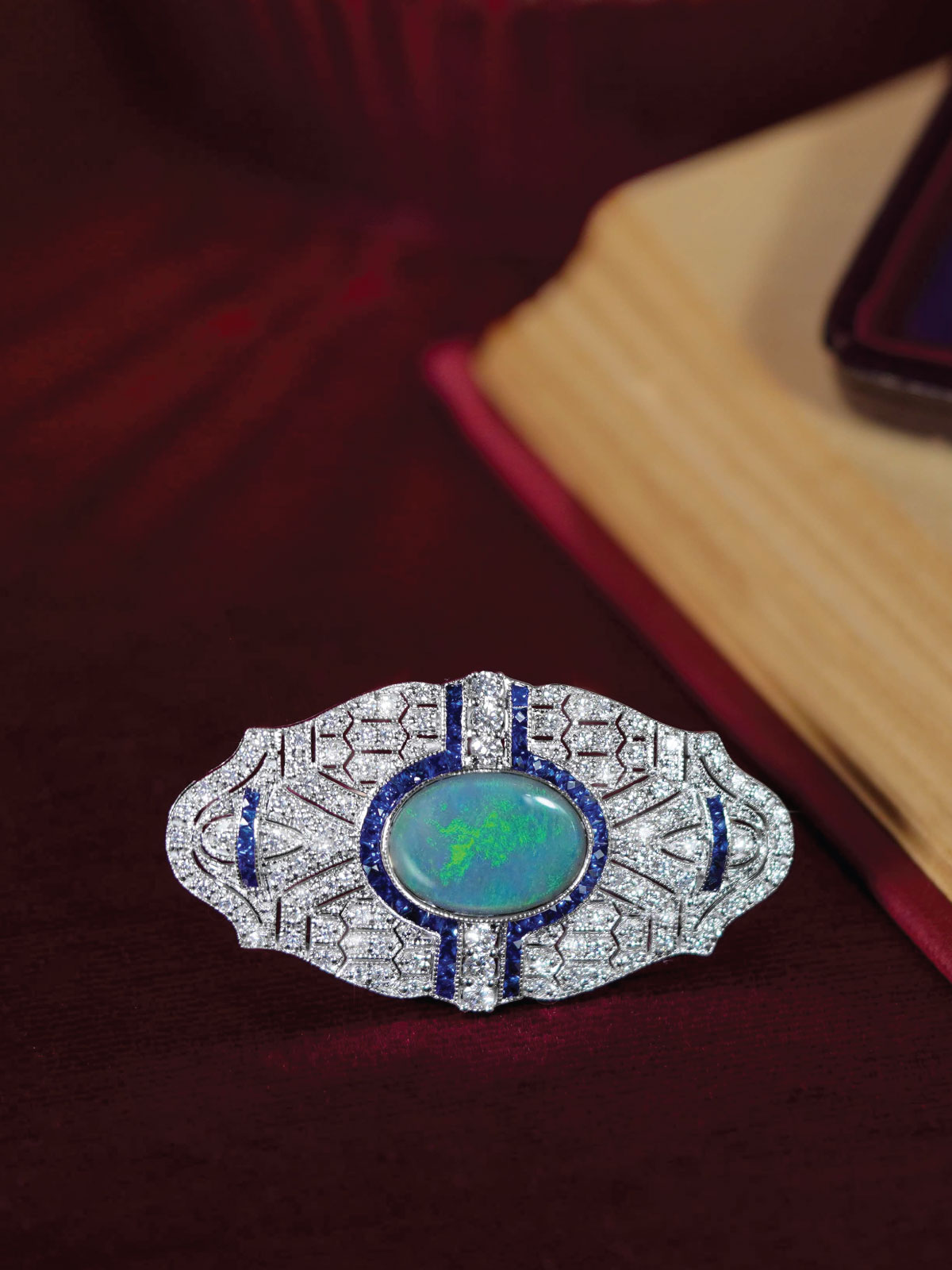
Brooch
Bracelet
Jewelry Set
Gemstone Meanings — Frequently Asked Questions
What do gemstones symbolize?
Gemstones symbolize traditional ideas attached to their color, birth month, and customary occasion — passion for ruby, wisdom for sapphire, renewal for emerald, tenderness for rose quartz. These meanings are cultural conventions built up over centuries of folklore, not measurable properties of the mineral. They are a large part of why a stone is chosen, and they are worth knowing as tradition rather than as fact.
What is the difference between a gemstone’s meaning and its birthstone?
A gemstone’s meaning is its broad symbolic association, which usually follows its color. Its birthstone status is a narrower system that assigns specific stones to each calendar month. The modern birthstone list was standardized in 1912 by the body now called Jewelers of America and has been revised several times since. A stone can carry a strong traditional meaning without being a birthstone at all — morganite and rose quartz are examples.
Are gemstone healing properties scientifically proven?
No. The healing and metaphysical properties attributed to gemstones are traditional beliefs recorded in folklore, not established physical, medical, or financial effects, and no reputable gemological authority treats them as such. We present them honestly as tradition — “believed to,” “held to” — because a meaning is worth carrying for what it is, and does not need to be dressed up as something it is not.
Which gemstone has the strongest meaning of love?
There is no single answer, because love has been symbolized in different registers. Ruby is the traditional stone of passionate love and marks the fortieth wedding anniversary. Rose quartz and morganite carry a gentler meaning of tenderness and affection. Diamond represents love as endurance — the bond understood as unbreakable. The right stone depends on which of these you mean.
Does the meaning of a gemstone affect how durable it is for daily wear?
No. A stone’s meaning is cultural and has no bearing on its durability, which is physical. Durability is measured two ways: Mohs hardness (resistance to scratching) and toughness (resistance to breaking). A stone chosen for its meaning — an emerald for renewal, for example — may still be brittle and need a protective setting for daily wear. Choose the stone for its meaning, then have it set according to its durability.