Gemstone Guides, Blog
Diamond Meaning, Symbolism & April Birthstone
Key Takeaways
- Diamond commonly represents strength, clarity, commitment and
enduring love, but these meanings developed through language, history,
courtly jewelry and modern custom rather than belonging to the mineral
itself. - Diamond is the official April birthstone on the American list
standardized in 1912 by the organization now known as Jewelers of
America. - Diamond is Mohs 10 and exceptionally resistant to scratching, yet it
has cleavage and can chip from a sharp impact. Hardness is not the same
as toughness. - The 4Cs describe diamond quality, not diamond meaning. This guide
keeps symbolism and wearability separate from the detailed buying
framework covered by KW-020.
What Is the Meaning of
Diamond?
Diamond means strength, clarity, commitment and enduring love in
modern jewelry. Its symbolism draws from the Greek adamas,
often translated as unconquerable, from the stone’s exceptional
hardness, and from centuries of ceremonial use. Diamond is also the
official April birthstone and a traditional gem for major wedding
anniversaries.
The meaning of a diamond is cultural rather than mineralogical.
Carbon atoms do not contain a promise, a marriage or a moral quality.
People have assigned those ideas to diamond because the material is
ancient, visually brilliant and unusually resistant to wear. That
distinction matters. It allows us to appreciate symbolism without
presenting folklore as science.
In our workshop, we treat meaning as a design question as much as a
historical one. A diamond may stand for a marriage, a child born in
April, a family milestone or personal resolve. The same stone can
therefore carry different meanings in an engagement ring, an inherited
pendant or a newly commissioned anniversary piece.
What Does Diamond Symbolize?
Diamond symbolism is usually organized around four ideas: strength,
clarity, enduring love and continuity. Each comes from an identifiable
feature or chapter in the stone’s history.
Why Does Diamond Symbolize
Strength?
Diamond sits at 10 on the Mohs scale, the highest position for a
natural mineral. Its name is connected to the Greek adamas,
associated with the idea of being unconquerable or untamed. The physical
fact and the name reinforced one another, making strength the most
persistent element of diamond symbolism.
The symbolism should not be mistaken for a promise of physical
invulnerability. Diamond resists scratches better than any other natural
gemstone, but a polished stone can still chip along cleavage directions.
The more accurate symbolic reading is resilience: a strong material that
still deserves considered protection.
Why Does Diamond Symbolize
Clarity?
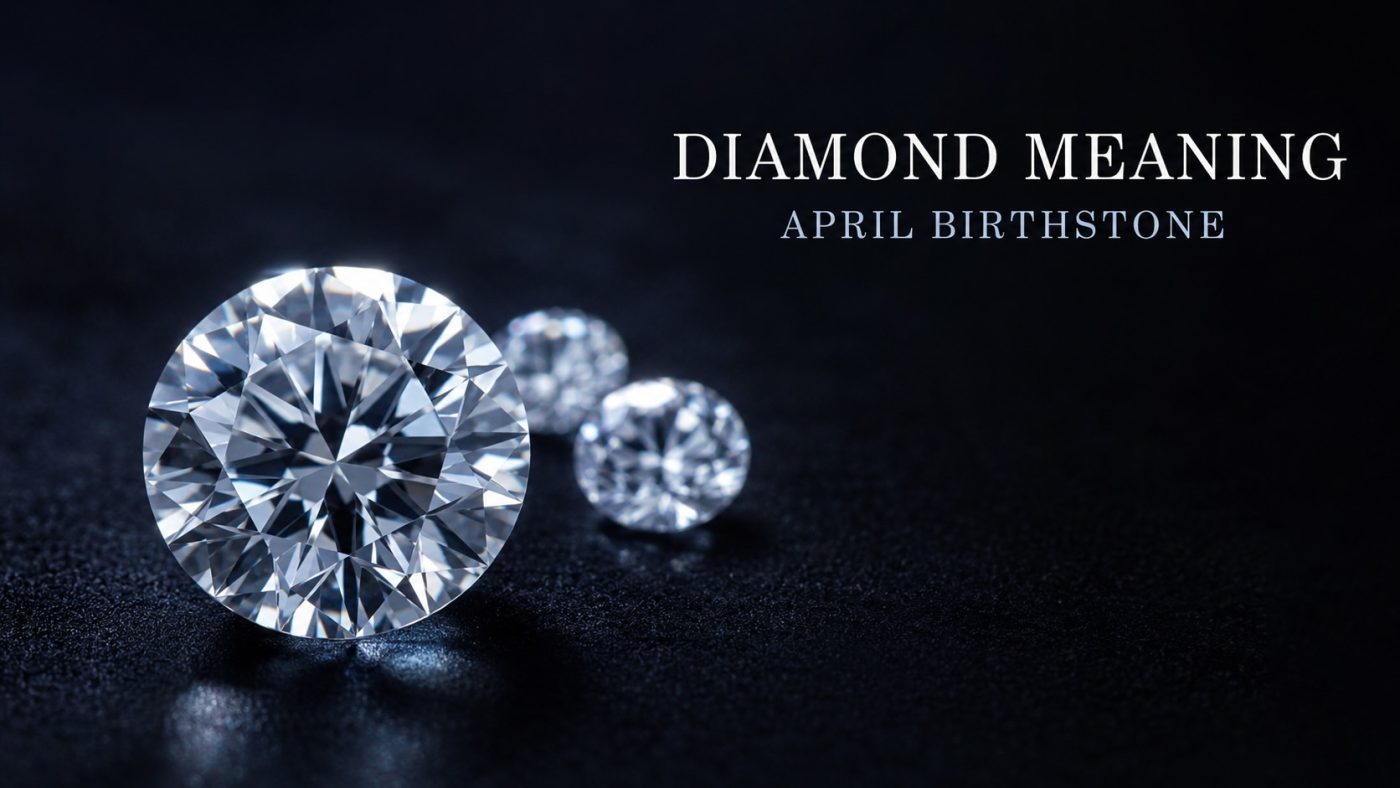
Colorless diamond has long been associated with light, lucidity and
truth because a well-cut stone returns white light as brightness and
separates it into spectral color as fire. Clarity in symbolic language
refers to clear intention, honest commitment or a decisive beginning. It
is not a statement that a diamond must receive a particular laboratory
clarity grade.
This is an important separation. Symbolic clarity belongs to the
story of the piece. Gemological clarity is a quality factor based on
inclusions and blemishes. The two share a word, but they answer
different questions.
Why Does Diamond
Symbolize Enduring Love?
The connection between diamond and romantic commitment developed over
centuries. GIA records the first diamond engagement ring on record as
the ring Archduke Maximilian of Austria gave Mary of Burgundy in 1477.
Diamond rings later became more available as sources, cutting knowledge
and markets expanded.
Modern engagement custom made the association nearly universal, but
the underlying idea remains straightforward: a material chosen for
decades of wear became an emblem of a promise intended to last. Diamond
also marks the 60th and 75th wedding anniversaries in modern anniversary
traditions, extending the association from a beginning to a long shared
history.
Why Does Diamond
Symbolize Continuity?
Most natural diamonds formed more than one billion years ago in the
earth’s mantle. Their age gives continuity a geological foundation that
few other jewelry materials can match. When a diamond is reset into a
new design or passed between generations, the material connects time on
three scales: geological formation, human craftsmanship and family
memory.
| Symbolic idea | Historical or material source | Meaning in jewelry today |
|---|---|---|
| Strength | Mohs 10 hardness and the name adamas | Resolve, resilience, steadfastness |
| Clarity | Light performance and colorless appearance | Honest intention, focus, a clear beginning |
| Enduring love | Engagement and anniversary traditions | Long-term commitment and partnership |
| Continuity | Geological age and suitability for repeated wear | Legacy, remembrance and family connection |
Why Is Diamond the April
Birthstone?
Birthstone?
Diamond is the official April birthstone on the American birthstone
list standardized in 1912 by the American National Retail Jewelers
Association, now Jewelers of America. Jewelers of America still lists
diamond as April’s stone, and GIA identifies diamond as the April
birthstone on almost all modern lists. Our birthstones
by month guide places April within the complete modern list.
The modern list is not an unchanged decree from antiquity. Earlier
cultures connected groups of twelve stones with tribes, months or zodiac
signs, but the identity of those stones varied with language,
translation and mineral knowledge. The 1912 list created a practical US
industry standard. Diamond’s place in April therefore belongs to a
modern formal system built on older symbolic traditions.
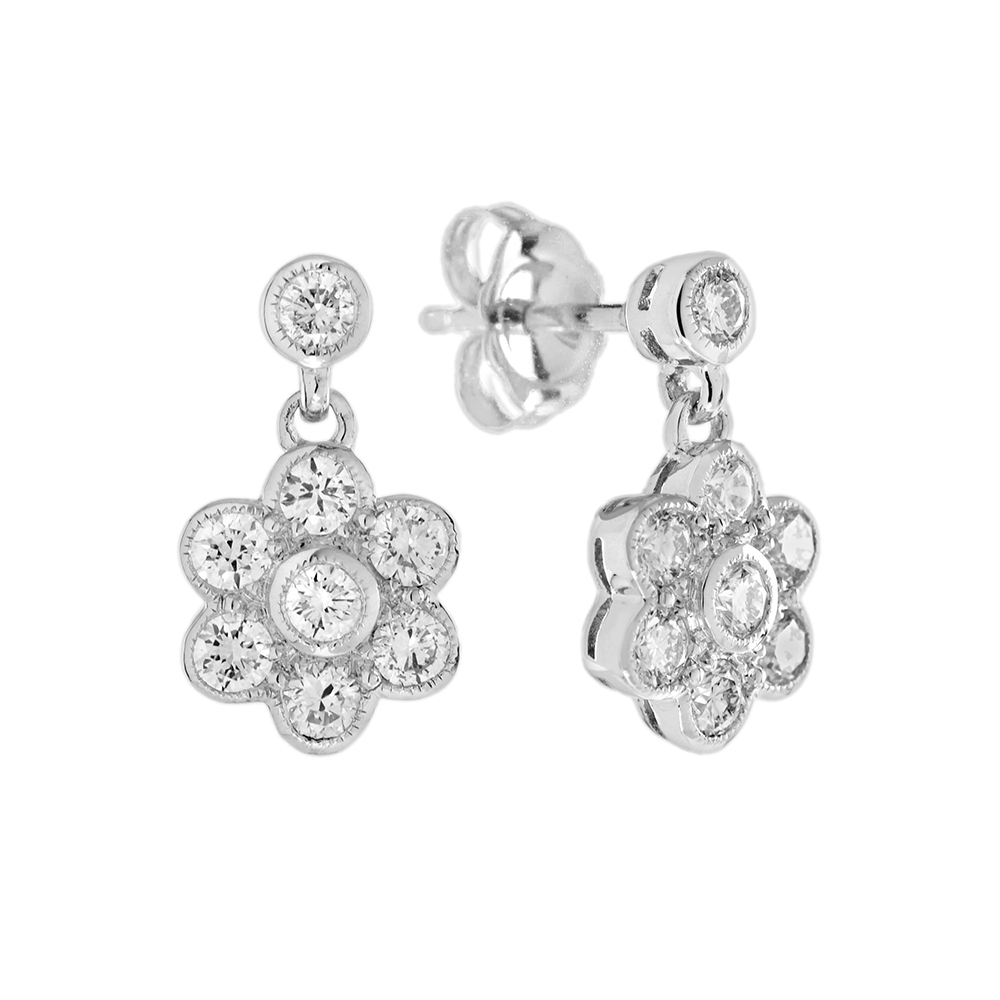
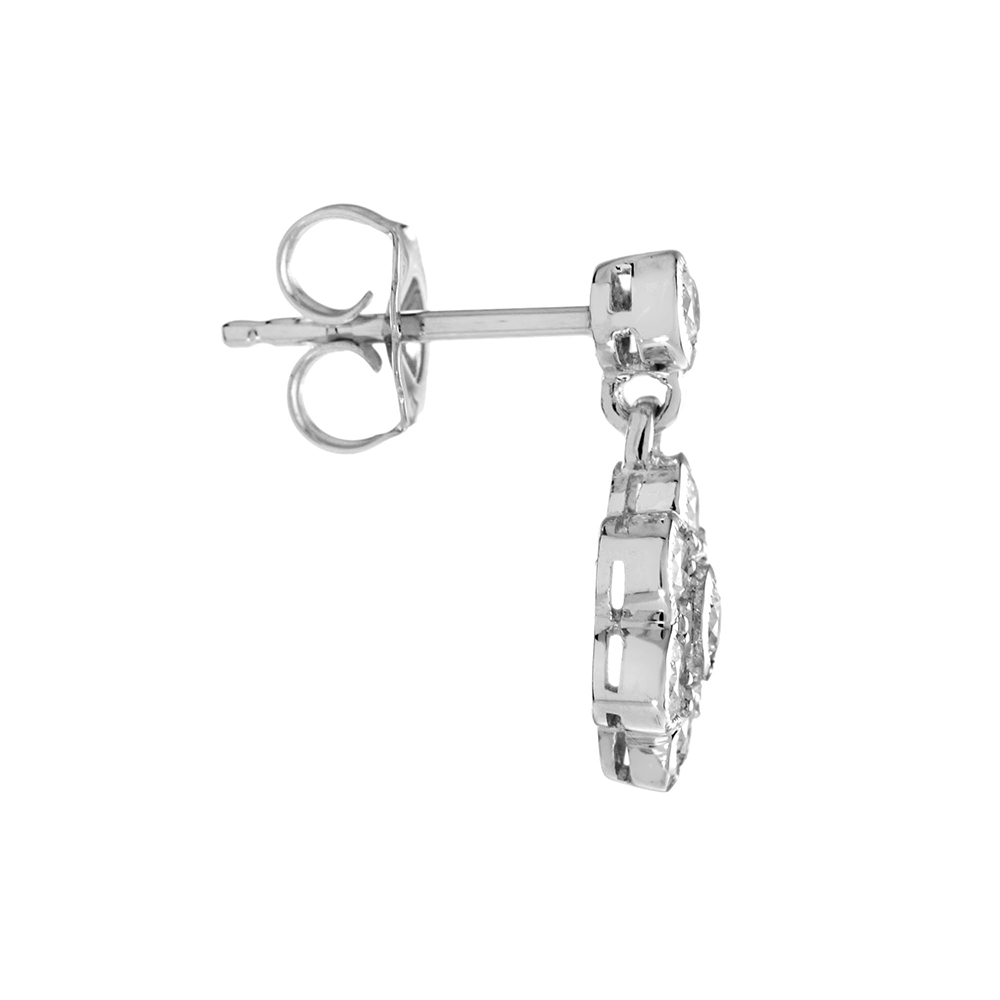
For an April gift, diamond can represent the birth month without
requiring a particular jewelry type. A ring gives the symbol daily
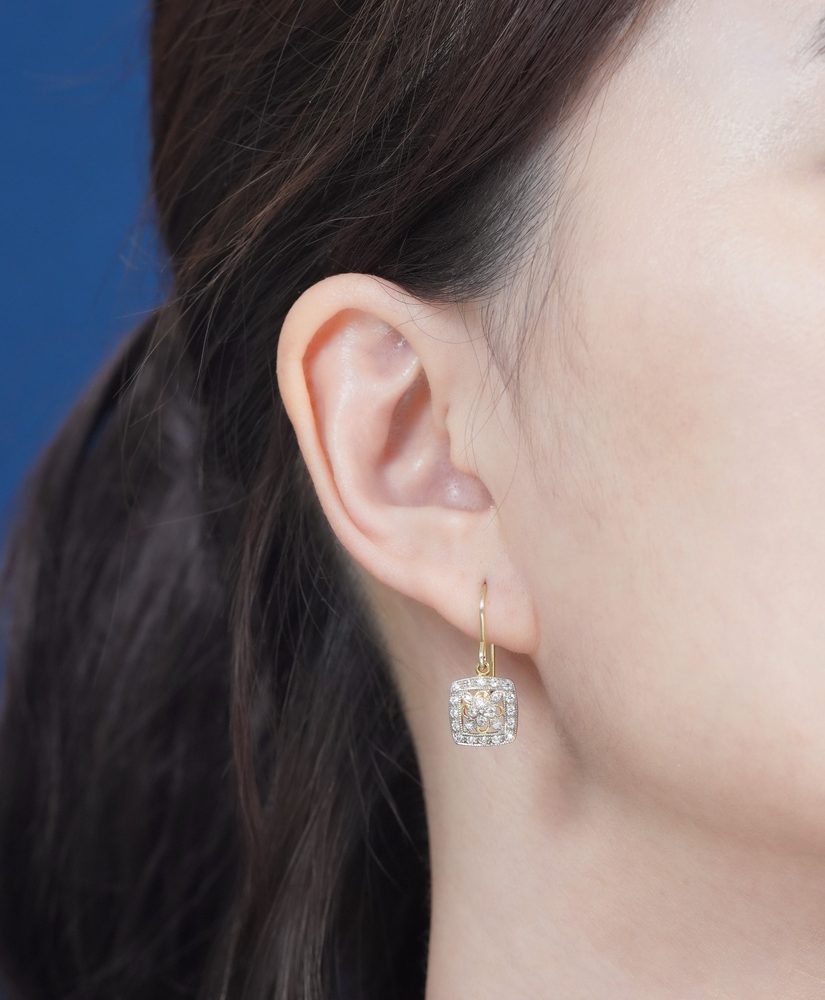
visibility, earrings offer practical regular wear, and a pendant can
hold a quieter personal meaning. The month establishes the association;
the design determines how the association is lived.
Where Did Diamond Meaning
Come From?
Come From?
Diamond meaning did not appear from a single ancient source. It
accumulated in layers.
What Did the Name Contribute?
The Greek root adamas carried the sense of something
unconquerable or difficult to subdue. Long before modern hardness
testing, the name framed diamond as a material beyond ordinary
resistance. That linguistic inheritance still appears whenever diamond
is used to represent strength.
What Did
Early Trade and Courtly Jewelry Contribute?
GIA traces early diamond trade to India, where stones were gathered
from rivers and streams and traded by the fourth century BCE. Indian
diamonds later reached medieval European markets. By the fifteenth
century, they had become fashionable among European elites.
Rarity, difficult access and courtly ownership gave diamond
associations with rank and prestige. Those associations were historical
conditions, not inherent virtues. They explain why diamond became
ceremonial, but they should not be treated as proof that a wearer
possesses status or power.
What Did Engagement
Custom Contribute?
The recorded 1477 betrothal ring established an early landmark, while
later developments in mining, cutting and distribution expanded the
audience for diamond jewelry. Twentieth-century marketing strengthened
the bond between diamond and marriage. Modern symbolism is therefore a
blend of material suitability, elite precedent, social custom and
commercial history.
This layered account is more useful than claiming that diamond has
always meant exactly the same thing. Symbols change because people use
them differently. A diamond today may mark an engagement, but it may
just as credibly mark an April birthday, an achievement, a memorial or a
self-directed commitment.
What Is
Diamond Made Of, and Why Does That Matter?
Diamond Made Of, and Why Does That Matter?
Diamond is composed of carbon. GIA explains that its carbon atoms are
bonded in essentially the same way in all directions, producing a
structure very different from graphite, which is also carbon. Natural
diamond forms under high temperature and pressure at depths of roughly
100 miles beneath the earth’s surface. Most natural diamonds formed more
than a billion years ago.
These facts do not create a supernatural property, but they do deepen
the symbolism. A familiar element becomes an exceptional crystal under
extraordinary geological conditions. Transformation, pressure and time
are therefore reasonable poetic associations, provided they are
presented as interpretation rather than physical benefit.
For Lilly M. JEWELERS, natural gemstone identity is part of the
material brief. Our pieces are newly made in solid gold and draw on Art
Deco, Edwardian and vintage-inspired design languages. They are not
historical period pieces. The age belongs to the natural stone; the
setting is made new for its present wearer.
Is Diamond Indestructible?
No. Diamond is the most scratch-resistant natural gemstone, but it is
not indestructible. Mohs hardness measures resistance to scratching.
Toughness measures resistance to chipping and breaking. Diamond has good
toughness, yet its crystal structure includes cleavage directions along
which a sufficiently sharp blow can cause damage.
This distinction is one of the most useful facts in practical jewelry
design. A wearer may assume that Mohs 10 removes every risk. It does
not. Hardness makes diamond exceptionally suitable for daily wear;
setting design and maintenance still determine whether exposed edges,
corners and the girdle remain protected over decades.
| Property | What it measures | Diamond’s position | Practical implication |
|---|---|---|---|
| Hardness | Resistance to scratching | Mohs 10 | Excellent for frequent and daily wear |
| Toughness | Resistance to chipping and breaking | Good | A sharp impact can still damage the stone |
| Cleavage | Tendency to split along crystal directions | Present | Protect exposed points and inspect settings |
| Stability | Response to normal light, heat and chemicals | Generally stable | Avoid extreme heat and unknown chemical exposure |
Our workshop insight is simple: the meaning of permanence should be
supported by construction, not assumed from hardness alone. Prongs must
hold the stone securely, vulnerable outlines need appropriate
protection, and the piece should be examined periodically. Symbolism
lasts best when engineering respects the material.
Do Diamond Colors
Have Different Meanings?
Have Different Meanings?
Diamond occurs colorless and in natural fancy colors, including
yellow, brown, pink, blue and green. Color can change the emotional
language of a piece, but there is no universal authoritative code
assigning one fixed meaning to every hue.
Colorless diamonds are commonly associated with clarity and formal
commitment. Yellow can suggest warmth or optimism, pink tenderness or
individuality, and blue calm or rarity. These are contemporary design
associations, not gemological effects and not promises about the
wearer’s life.
When meaning is the priority, color should be chosen for the
recipient and the design rather than for a generic list. A pale
old-cut-inspired outline in yellow gold produces a different emotional
register from a crisp geometric white-gold composition, even if both use
colorless diamonds. Metal, cut style, scale and negative space
participate in the symbol.
How
Should Diamond Meaning Influence a Jewelry Design?
Should Diamond Meaning Influence a Jewelry Design?
Begin with the occasion, then decide how the piece will be worn. An
April birthstone gift and an engagement ring may use the same mineral
but require different visual emphasis.
- Name the meaning. Decide whether the piece
represents a birth month, partnership, continuity, achievement or
remembrance. - Choose the wearing pattern. A daily ring requires
secure construction and regular inspection. Earrings and pendants
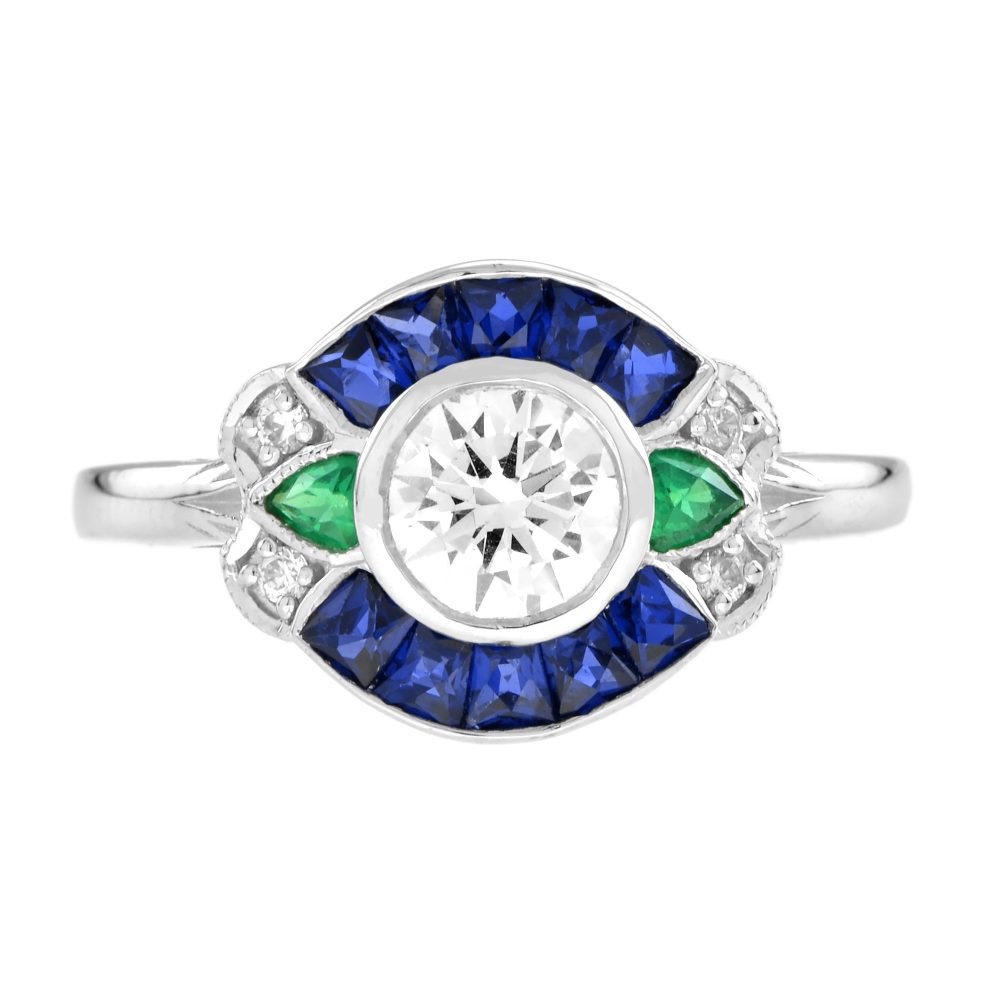
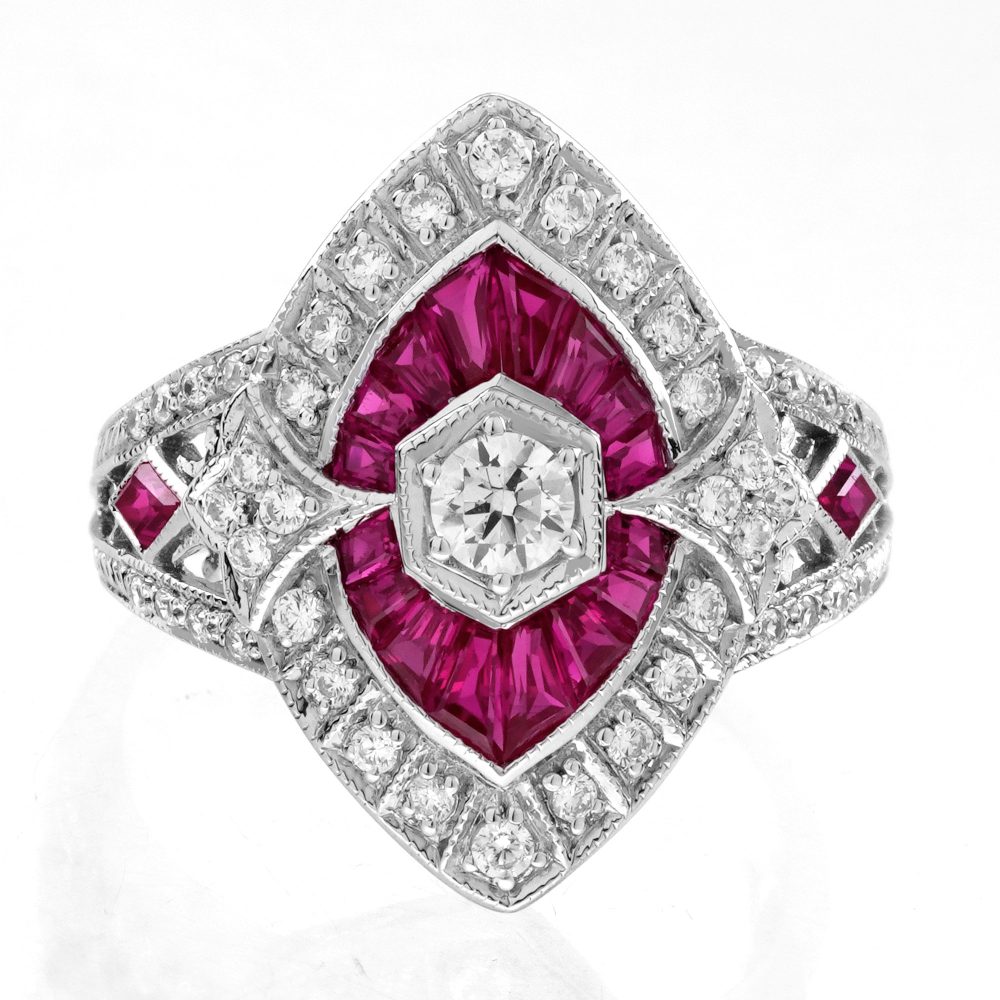
experience fewer direct impacts. - Match the design language. Geometric symmetry can
express clarity and order. Floral or radiating forms can suggest growth.
Milgrain and filigree can add an Art Deco-inspired or Edwardian-inspired
character without implying historical provenance. - Choose the metal deliberately. White gold can
create a continuous field of white light. Yellow gold produces warmer
contrast. Rose gold softens the composition. - Separate meaning from grading. Once the symbolic
and design brief is clear, evaluate quality and budget through the 4Cs.
The detailed 4Cs framework belongs to KW-020 rather than this meaning
guide.
This order prevents a technical specification from becoming the
entire story. Carat weight may describe mass, but it cannot describe why
the piece matters. A smaller diamond in a carefully developed bespoke
setting may carry more personal meaning than a larger stone chosen
without context.
Are
Natural, Treated and Laboratory-Grown Diamonds the Same
Symbolically?
Natural, Treated and Laboratory-Grown Diamonds the Same
Symbolically?
Symbolism is assigned by the giver and wearer, but material identity
must still be stated accurately. A natural diamond formed in the earth.
A laboratory-grown diamond has essentially the same chemical, physical
and optical properties but was grown by technological processes. An
imitation only resembles diamond and has a different composition.
GIA also notes that processes may alter diamond color or apparent
clarity. “Natural” does not mean “untreated.” A seller should identify
the material accurately and disclose relevant treatments. Lilly M.
JEWELERS works with natural gemstones, but this article does not make a
blanket claim that every diamond is untreated. The specification for an
individual piece should govern the purchase decision.
For some clients, geological origin is central to meaning. For
others, a family stone, a particular design or a shared decision matters
more. There is no need to turn that personal hierarchy into a universal
rule. There is a need for precise description.
How Should Diamond
Jewelry Be Cared For?
Jewelry Be Cared For?
Diamond jewelry should be cleaned gently and its setting inspected
regularly. GIA advises warm water, mild soap and a soft toothbrush as a
suitable approach, especially when a diamond has many inclusions or may
have been treated. A lint-free cloth can finish the cleaning.
Remove diamond rings before heavy lifting, gardening or work that may
strike the setting. Store pieces separately because diamond can scratch
other gemstones and other diamonds. Avoid assuming that an ultrasonic
cleaner is suitable for every piece. Although many diamonds tolerate
ultrasonic cleaning, inclusions, treatments and the condition of the
setting can change the recommendation.
Periodic professional inspection is particularly important for rings.
The stone may remain unscratched while a prong wears thin or shifts.
Maintenance protects both the diamond and the meaning attached to
it.
What Should You
Remember About Diamond Meaning?
Remember About Diamond Meaning?
Diamond represents strength, clarity, enduring love and continuity
because people connected its name, hardness, brilliance, age and
ceremonial use with those ideas. It is April’s official birthstone and
an exceptionally practical gem for frequent wear, but Mohs 10 does not
make it indestructible.
The most considered diamond jewelry aligns three things: the personal
meaning, the material facts and the setting. At Lilly M. JEWELERS, we
design newly made, antique-inspired pieces with natural gemstones set in
solid gold. The purpose is not to imitate a past object, but to give a
present commitment a form capable of carrying it forward.

Rose Gold
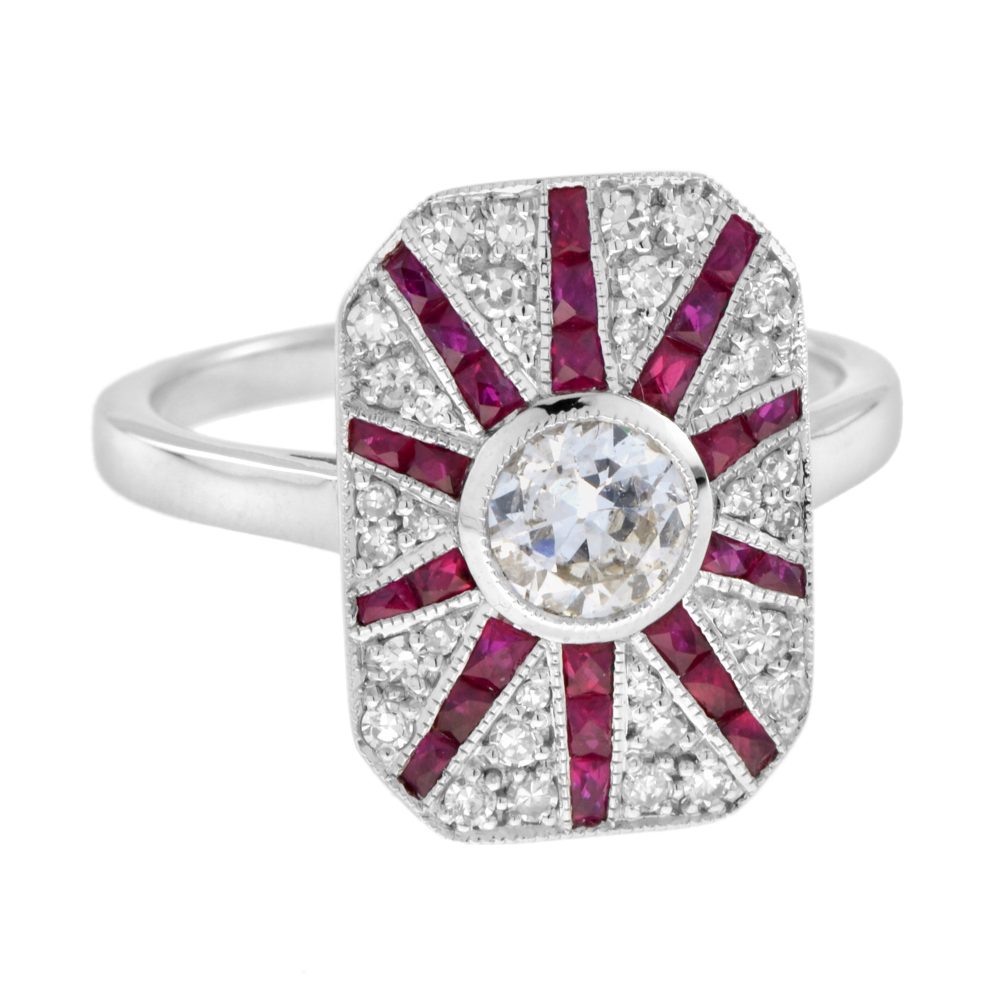
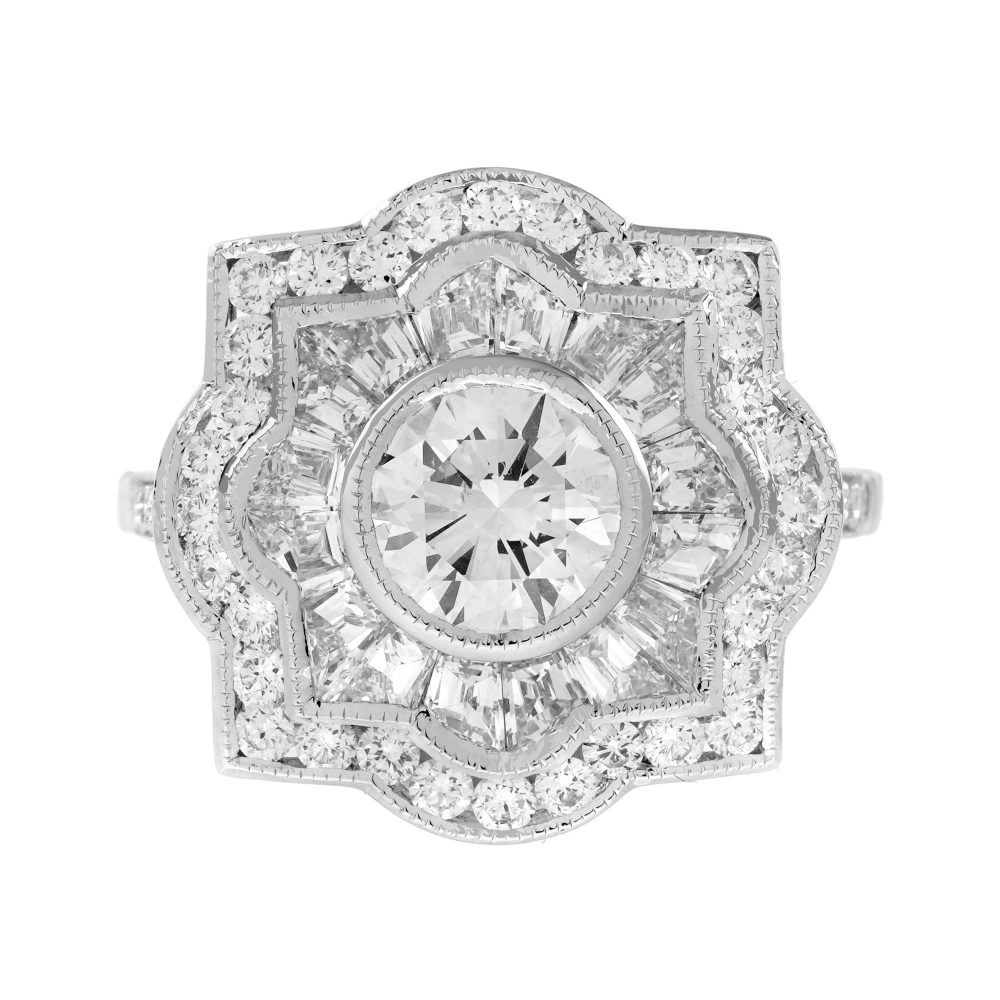
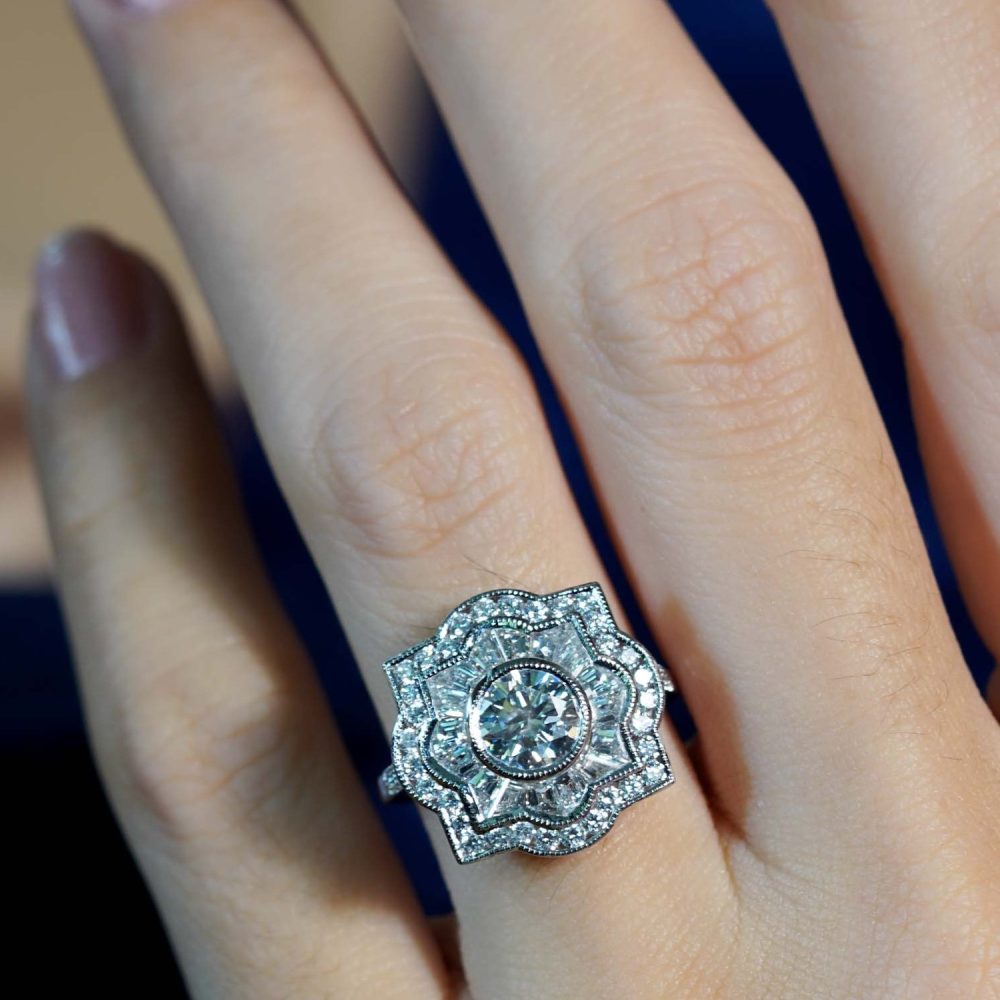
Engagement Ring
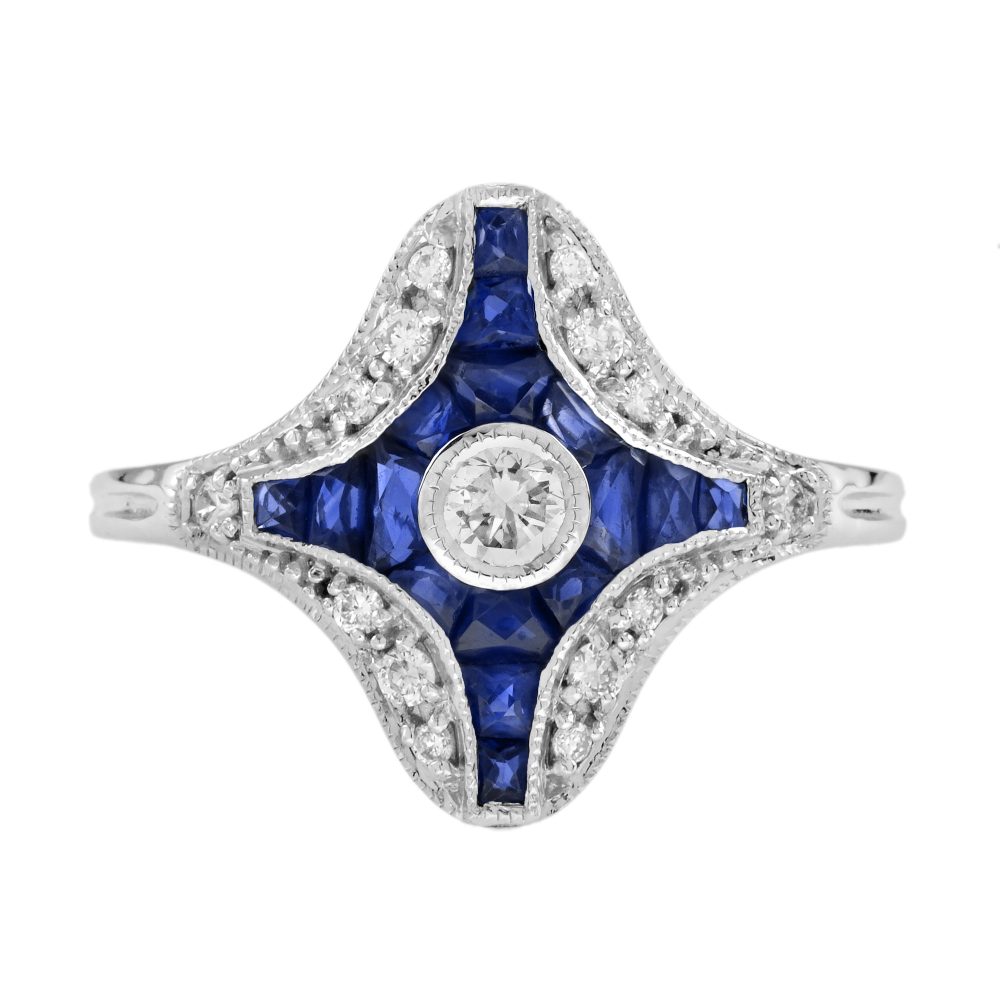
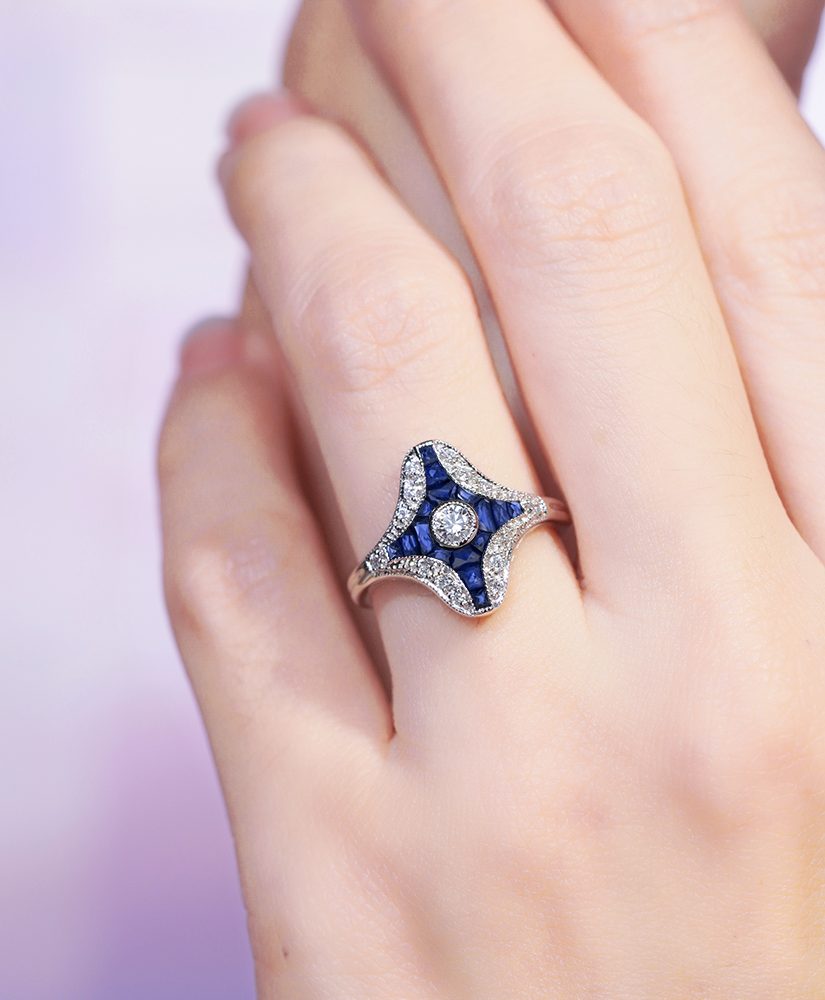
Platinum


Cluster Ring