
Blog, Care & How-to
How to Clean Gemstone Jewelry at Home

Key Takeaways: How to Clean Gemstone Jewelry
- Clean by a stone’s stability, not its hardness. A high Mohs number does not make a gem safe to clean any way you like — an ultrasonic bath is fine for sapphire and ruinous for emerald, and the hardness difference explains none of that.
- Warm water, a drop of mild dish soap, and a soft brush is the safe method for most hard stones — diamond, ruby, sapphire, and the quartz family. When in doubt, a soft, barely damp cloth is the universally safe fallback.
- Some gems must never see an ultrasonic or steam cleaner. The GIA lists emeralds, opals, pearls, coral, tanzanite, turquoise, and treated or fracture-filled stones among them.
- Pearls and coral are wiped, never soaked. They are organic and acid-sensitive, so perfume, hairspray, and household cleaners etch them — apply cosmetics first and put jewelry on last.
- Avoid chlorine, ammonia, bleach, and toothpaste. Chlorine attacks gold alloys, ammonia harms sensitive gems, and toothpaste is abrasive enough to dull a polish.
How Do You Clean Gemstone Jewelry at Home?
For most hard stones, soak briefly in warm water with a drop of mild dish soap, brush gently with a soft brush, rinse at the same temperature, and dry with a lint-free cloth. But method depends on the stone: pearls, opals, emeralds, and treated gems need gentler care, and several must never go near an ultrasonic or steam cleaner.
Gemstone Cleaning at a Glance
| Stone | Safe method | Never | Why |
|---|---|---|---|
| Diamond | Warm soapy water, soft brush; ultrasonic if not fracture-filled | Ultrasonic if fracture-filled | Very hard, but filler can be disturbed |
| Ruby & sapphire | Warm soapy water, soft brush; ultrasonic if untreated | Ultrasonic for star stones or fracture-filled | Hard and tough, but treatments vary |
| Emerald | Damp soft cloth or quick lukewarm rinse | Ultrasonic, steam, hot water, solvents | Brittle and usually oil- or resin-filled |
| Opal | Damp soft cloth only | Soaking, ultrasonic, steam, heat | Contains water; can craze or crack |
| Pearl & coral | Wipe with a soft, slightly damp cloth; dry at once | Soaking, ultrasonic, acids, chemicals | Organic, soft, and acid-sensitive |
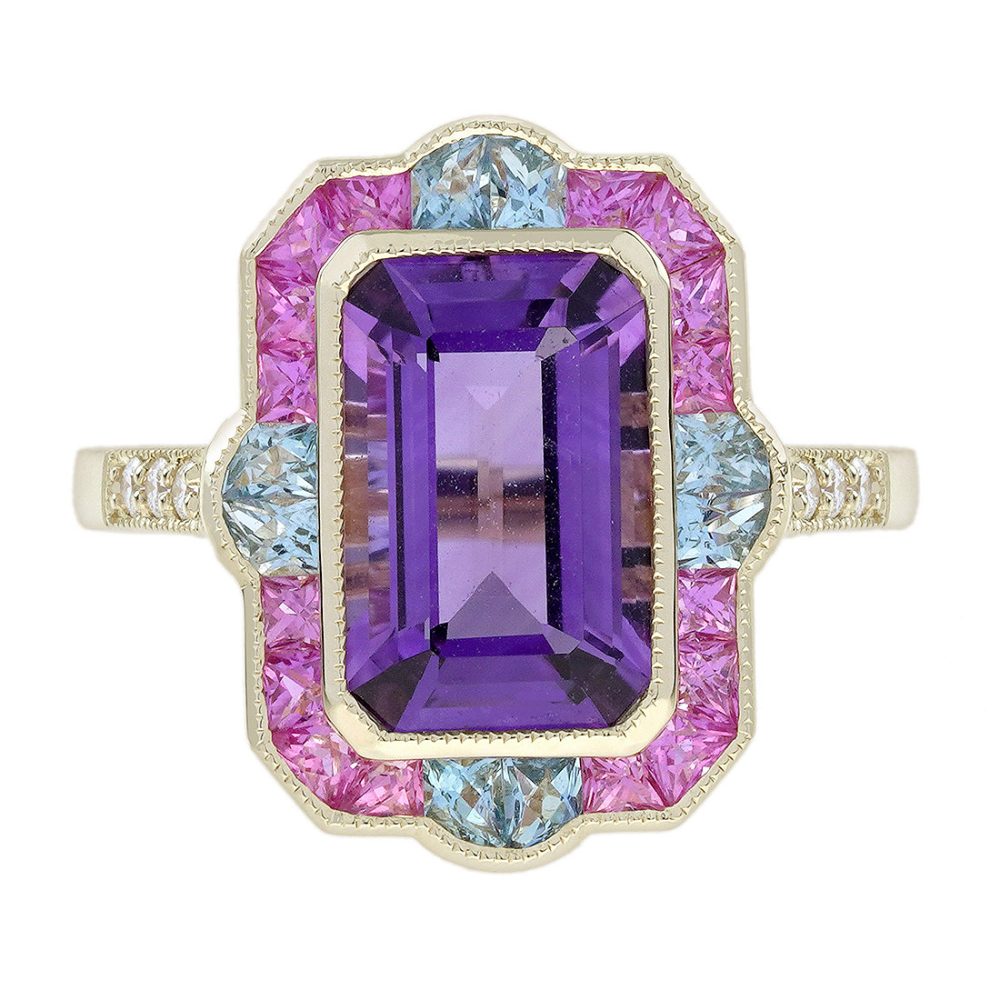
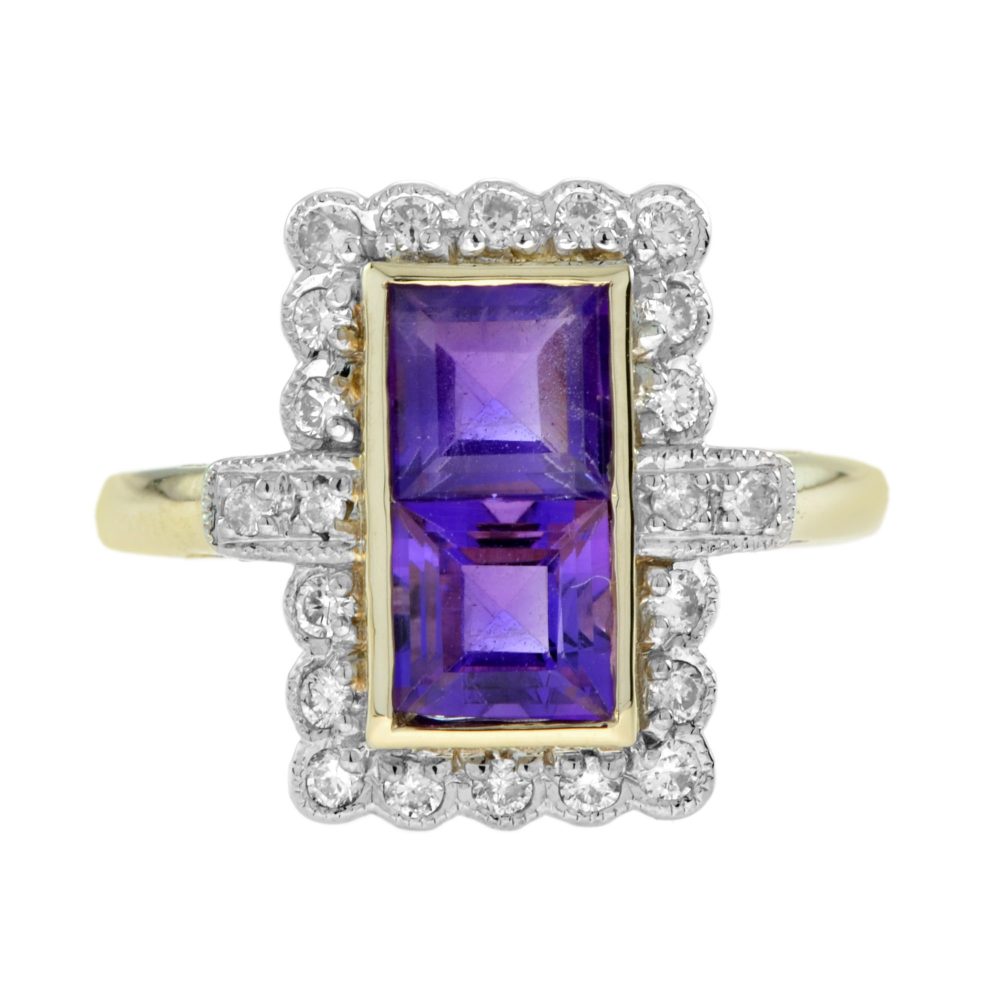
| Amethyst, citrine, rose quartz | Warm soapy water, soft brush | Prolonged heat or strong light | Colour can fade with heat and light |
| Onyx (dyed) | Damp soft cloth, mild soap | Ultrasonic, solvents, prolonged soaking | Colour is usually a surface treatment |
| Topaz, peridot, tanzanite | Warm soapy water, soft brush | Ultrasonic, steam, thermal shock | Cleavage or sensitivity to heat/acid |
Why You Should Clean by Stability, Not Hardness
The single most useful idea in how to clean gemstone jewelry at home is that hardness and cleaning safety are two different things. Hardness (the Mohs scale) measures resistance to scratching; it says nothing about how a stone reacts to heat, vibration, acid, or the solvents in a cleaner. As the International Gem Society puts it, a high Mohs score does not make a gemstone indestructible.
Emerald is the classic proof. At Mohs 7.5 to 8 it is harder than quartz, yet it is brittle and almost always oil- or resin-filled, so an ultrasonic cleaner — perfectly safe for a softer, tougher stone — can drive out the filler and open the fractures it was masking. Opal, at a lower hardness, fails for a different reason: it contains water and can craze if it is heated or dried too fast. Pearl and coral are softer still and dissolve in acid. Three different vulnerabilities, none of them predicted by the Mohs number.
So the right question before cleaning is never “how hard is it?” but “what is it sensitive to?” — heat, water loss, acid, vibration, or a treatment that a cleaner can strip. Answer that, and the method chooses itself.
How to Clean Gemstone Jewelry at Home: The Safe Method
For the hard, untreated stones that make up most jewelry — diamond, ruby, sapphire, and the quartz family of amethyst, citrine, and rose quartz — a gentle wash is all that is needed. The International Gem Society’s basic method is “mild detergent, warm water, and a soft brush.”
- Make a mild bath. Warm — not hot — water with a drop of ordinary dish soap. Avoid detergents with ammonia or added chemicals.
- Soak briefly. A few minutes loosens the film of lotion, skin oil, and dust that dulls a stone. Do not soak porous or treated stones (see below).
- Brush gently. A soft brush — a baby toothbrush is ideal — reaches behind the stone where grime collects and light is lost. Medium or hard bristles can scratch the metal, so keep it soft.
- Rinse at the same temperature. Rinse in warm running water, matching the bath, because a sudden change in temperature is itself a risk to some stones. Put a plug or sieve in the drain first.
- Dry with a lint-free cloth. Pat dry with a soft, lint-free cloth or chamois, and let the piece air-dry fully before storing.
This routine, done every few weeks, keeps most gemstone jewelry bright. The whole aim is to remove the everyday film gently — the sparkle a good clean restores is mostly light that was being blocked, not lost.
Which Gems Should Never Go in an Ultrasonic or Steam Cleaner?
Ultrasonic and steam cleaners are powerful, and that is exactly the problem for delicate material. An ultrasonic bath vibrates a stone in fluid; steam applies heat and pressure. Both can crack, craze, or strip a vulnerable gem. The GIA is specific about what to keep out.
- Treated and fracture-filled stones. Emeralds filled with “oil, resin or wax,” fracture-filled diamonds, and gems “impregnated or coated with oil, plastic or wax” such as lapis lazuli, malachite, and opal.
- Organic gems. GIA states plainly that “pearls, coral, tortoise shell, ivory, shell cameos, jet, and amber should not be put in an ultrasonic cleaner.”
- Heat- and shock-sensitive stones. Tanzanite, feldspar gems such as moonstone and sunstone, fluorite, iolite, kunzite, topaz, turquoise, zircon, and both star ruby and star sapphire.
Even for stones that can take an ultrasonic — diamond, and untreated transparent ruby and sapphire — GIA’s advice is to know the treatments first, which is why a grading report matters here as much as at purchase. For everything else, GIA recommends “gentle cleaning solutions that are specially formulated for delicate gems or just warm, soapy water.” When you are unsure, treat the piece as delicate.
How Do You Clean Pearls, Opals, and Other Delicate Gems?
The most vulnerable materials need the gentlest routine of all, and for these the rule is wipe, do not wash.
- Pearls and coral. Wipe with a soft cloth, very slightly damp if needed, and dry at once. They are organic and soft, and they react to acid and chemicals — the IGS notes that pearls “react to chemicals, even perspiration.” Never soak them, never use an ultrasonic, and never let perfume, hairspray, or cleaners touch them. Restring pearl and coral strands periodically, and store them flat.
- Opal. Wipe with a damp soft cloth only. Opal holds water in its structure and can craze — a network of fine cracks — if it dries out or is heated, so avoid soaking, ultrasonic, steam, and hot places. Doublets and triplets must never be soaked, as water can seep between the layers.
- Turquoise, lapis, malachite, and other porous or stabilized stones. Wipe clean; do not soak. Porous stones absorb liquids and oils, and many are stabilized with resin that solvents can attack.
- Oiled emerald. A quick lukewarm rinse and a soft cloth, nothing more. Heat and ultrasonic drive out the oil and reopen the fractures it fills.
Workshop insight: The habit that prevents most of the damage we see is simple and costs nothing: put jewelry on last. Perfume, hairspray, lotion, and sunscreen are what dull and etch soft stones, and applying them before the jewelry goes on keeps them off the gems entirely. For pearls especially, it is the difference between a strand that lasts a generation and one that goes dull in a few years.
What Cleaners and Habits Should You Avoid?
A few common household shortcuts do more harm than the grime they remove.
- Chlorine and bleach. Chlorine attacks the alloys in gold — especially lower-karat gold — and can pit and weaken a setting over time. Take rings off before swimming in a chlorinated pool or using bleach.
- Ammonia and harsh chemicals. Ammonia-based cleaners can damage sensitive gems such as pearl and amber, and are best avoided as a default even on hard stones.
- Toothpaste. A persistent myth. Toothpaste is abrasive — designed to be — and will scratch gold and dull the polish on all but the hardest stones. Never use it.
- Sudden temperature changes. Very hot then cold water can thermally shock a stone. Keep the wash and rinse at the same warm temperature.
- Wearing jewelry for chores. Cleaning products, gardening, and the gym expose stones to chemicals and knocks. Take rings off first.
Storage matters as much as cleaning. Keep pieces separate and padded, because a diamond loose in a box will scratch every softer stone it touches, and store pearls and opals away from very dry heat. Cosmetics first, jewelry last, and each piece in its own soft pouch, prevents most of what a cleaner is later asked to fix.
How Often Should You Clean Gemstone Jewelry?
Frequency follows wear, and a little often beats a lot rarely. The most useful of all jewelry cleaning tips is the quickest: wipe a piece with a soft cloth after each wearing to lift off skin oil and lotion before it builds into a dulling film.
- Rings worn every day — such as an engagement ring — benefit from a gentle wash every one to two weeks, because hand cream and soap collect fastest behind the stone where light enters.
- Earrings and pendants worn regularly need washing roughly monthly; they see less contact than a ring but still gather residue.
- Occasional and evening pieces can simply be wiped after wear and washed a few times a year.
- Pearls and other soft, organic gems are wiped after every wear and never washed on a schedule — the wipe is the routine.
You do not need a schedule so much as a habit. When you clean gemstones little and often, the everyday film never has a chance to harden, the stones stay bright, and the deep cleans a jeweler does become rare rather than rescue missions. If a piece looks dull despite regular care, that is usually the signal for a professional clean rather than a harder scrub at home.
When Should You Have Jewelry Professionally Cleaned?
Cleaning jewelry at home keeps a piece bright, but some jobs belong with a jeweler, and having a fine piece checked periodically is part of owning it.
- When a stone feels loose. If a stone rattles or a prong catches on fabric, stop wearing the piece and have it checked before cleaning. Cleaning a loose stone at home risks losing it down the drain.
- For a deep clean or a delicate piece. A jeweler can safely clean set emeralds, opals, and pearls, and reach grime that a home brush cannot, using methods matched to each stone.
- For a periodic setting check. Prong tips wear, pavé beads loosen, and filigree is delicate. An annual check catches these before a stone is lost.
- After any knock. If a ring takes a hard hit, have the stone and setting inspected even if nothing looks wrong.
Because we make our pieces to order, we also maintain them — cleaning, checking settings, re-tipping prongs, and restringing strands — which is the aftercare a fine piece needs across a lifetime of wear. A trusted jeweler who knows what is in a piece, and what treatments it carries, is the safest hands for anything valuable or delicate.
Related: Bespoke & Personalization · Support & FAQ
What Should You Remember About How to Clean Gemstone Jewelry?
Knowing how to clean gemstone jewelry comes down to one principle and a short routine. The principle is that you clean by a stone’s stability, not its hardness: a high Mohs score does not make a gem safe to soak, heat, or vibrate, and the real questions are whether it is porous, brittle, acid-sensitive, or treated.
For the hard, untreated majority — diamond, ruby, sapphire, and the quartz family — warm water, a drop of mild soap, and a soft brush is all it takes, rinsed at the same temperature and dried with a lint-free cloth. For pearls, coral, opals, emeralds, and treated or porous stones, wipe rather than wash, and keep them away from ultrasonic and steam cleaners, chlorine, ammonia, and toothpaste entirely.
Beyond that, the habits do more than any cleaner: cosmetics first and jewelry last, each piece stored separately and padded, and a jeweler’s check when a stone feels loose or a piece takes a knock. Cleaned gently and worn thoughtfully, gemstone jewelry keeps its light for generations — which, since we make pieces meant to be handed on, is exactly the point.
Sources: GIA — Ultrasonic Cleaners for Gems: What You Need to Know · International Gem Society — How to Clean Your Gemstone Jewelry
The Art of the Wild
Stud Earrings
Sapphire
Frequently Asked Questions About How to Clean Gemstone Jewelry
What is the best way to clean gemstone jewelry at home?
For most hard, untreated stones — diamond, ruby, sapphire, and the quartz family — soak briefly in warm water with a drop of mild dish soap, brush gently with a soft brush, rinse at the same temperature, and dry with a lint-free cloth. Clean by a stone’s stability, not its hardness: pearls, opals, emeralds, and treated stones need a gentler routine and should only be wiped.
Which gems should never go in an ultrasonic or steam cleaner?
According to GIA: emeralds and other oil- or resin-filled stones, fracture-filled diamonds, organic gems (pearls, coral, ivory, amber, jet, shell cameos), and heat- or shock-sensitive stones such as opal, tanzanite, moonstone, turquoise, topaz, and zircon. Even diamond and untreated ruby or sapphire should be checked for treatments first. When unsure, treat a piece as delicate and use warm soapy water only.
How do you clean pearls and other soft gems?
Wipe them, do not wash them. Pearls and coral are organic, soft, and acid-sensitive, so wipe with a soft, barely damp cloth and dry at once — never soak, never use an ultrasonic, and never let perfume, hairspray, or cleaners touch them. Apply cosmetics first and put jewelry on last, and have pearl and coral strands restrung periodically. Opal and turquoise are also wiped rather than soaked.
Can you clean jewelry with toothpaste or vinegar?
No. Toothpaste is abrasive and will scratch gold and dull the polish on all but the hardest stones. Vinegar and other acids etch calcium-carbonate gems such as pearl and coral and can harm porous stones. Also avoid chlorine and bleach, which attack gold alloys, and ammonia, which damages sensitive gems. Warm water with a drop of mild dish soap is safer than any household shortcut.
How often should you clean gemstone jewelry?
A little often beats a lot rarely. Wipe any piece with a soft cloth after wearing it. Wash a daily-worn ring gently every one to two weeks, regularly worn earrings and pendants about monthly, and occasional pieces a few times a year. Pearls and soft organic gems are simply wiped after each wear. If a piece looks dull despite regular care, have it professionally cleaned rather than scrubbing harder.