
Blog, Care & How-to
Fine Jewelry Care Guide: How to Clean, Store & Protect

Key Takeaways: How to Care for Fine Jewelry
- How to care for fine jewelry comes down to four habits: clean it regularly and gently, store it separately, protect it during activities that risk impact or chemicals, and have it professionally checked at least once a year.
- Care by stability, not just hardness. A hard stone is not automatically a durable one — organic and treated gems (pearl, opal, emerald) need gentler handling than their Mohs number suggests.
- The metal changes the maintenance. Solid gold and platinum need almost none; white gold needs periodic rhodium replating; gold-plated and gold-filled pieces need the gentlest handling of all.
- Most damage happens outside the jewelry box — at the gym, in the pool, doing housework, applying lotion — not from normal wear. Removing jewelry for these is the single habit that prevents the most damage.
- This guide is the hub for our full jewelry care guide series — cleaning, storage, ring sizing, metal comparisons, and gemstone-specific care each get a dedicated, deeper guide linked throughout.
How to Care for Fine Jewelry: The Basics
How to care for fine jewelry, in short: wipe it after wearing, wash it gently and only when the stone allows, store each piece separately away from light and humidity, remove it before activities that risk impact, chemicals, or abrasion, and have a jeweler inspect it at least once a year. The details change by metal and by gemstone, but this routine is the foundation for every piece we make.
How to Care for Fine Jewelry at a Glance
| Care task | How often | Why it matters |
|---|---|---|
| Wipe after wearing | Every time | Removes oils, lotion, and perfume before they build up on the metal or stone |
| Gentle wash (hard, untreated stones) | Every 1–2 weeks for daily pieces | Restores shine; safe for diamond, ruby, sapphire, and the quartz family |
| Wipe only (soft or treated stones) | After each wear | Pearls, opals, and emeralds are damaged by soaking, heat, or ultrasonic cleaning |
| Prong and setting check | Annually | Catches a loosening stone before it is lost |
| White gold replating | Every 1–2 years | Restores the bright white rhodium finish as it wears thin |
| Insurance appraisal update | Every 2–3 years, or after resizing/repair | Keeps coverage in line with current value and any changes to the piece |
How Often Should You Clean Fine Jewelry?
Clean by stability, not by hardness — the organizing idea behind all jewelry care. A high Mohs hardness number tells you how resistant a stone is to scratching, not whether it can safely be soaked, heated, or vibrated. Diamond, ruby, sapphire, and the quartz family (amethyst, citrine, rose quartz) are hard and stable enough for a brief soak in warm water with a drop of mild dish soap, a gentle brush, and a rinse at the same temperature.
Pearls, opals, coral, and emeralds are a different case entirely: pearls and coral are organic and acid-sensitive, opals contain water and can crack if dried too quickly, and most emeralds are oil- or resin-filled and can be damaged by solvents or heat. These are wiped with a soft, barely damp cloth, never soaked and never placed in an ultrasonic or steam cleaner. A stone’s stability, not its place on the hardness scale, is what decides which of these two routines it gets.
A simple rhythm works for most fine jewelry, and it is the core of our jewelry maintenance routine here at the workshop: wipe every piece after wearing it, give hard-stone pieces worn daily a gentle wash every one to two weeks, and treat anything organic or treated as wipe-only. Metal jewelry cleaner and polishing cloths made for silver are best avoided on fine gold and platinum pieces set with gemstones, since some contain abrasives or chemicals that are gentler on plain metal than on a stone’s surface or a piece’s finish. For the full stone-by-stone method, including a chart of which gems are ultrasonic-safe, see our dedicated guide to cleaning gemstone jewelry.
Related: Support & FAQ
Which Everyday Activities Damage Fine Jewelry Most?
Most damage to fine jewelry happens away from a jewelry box, during ordinary activities rather than dramatic accidents. The gym is one of the most common culprits: weights and equipment can bend a band, chip a stone’s girdle, or wear a setting against a hard surface repeatedly over a single session. Swimming pools and hot tubs expose jewelry to chlorine, which attacks gold alloys over time and can dull a stone’s surface, while the ocean’s salt and sand add abrasion on top of that.
Housework and gardening combine chemicals, abrasion, and impact in ways that are easy to underestimate: cleaning products can be as corrosive as pool chemicals, and gripping tools or pulling weeds puts direct pressure on a ring’s setting. Applying lotion, sunscreen, or hairspray with jewelry on leaves a residue that dulls a stone’s brilliance and can build up around a setting over time. The practical rule that prevents most of this is simple to remember: apply cosmetics and lotion first, and put jewelry on last, removing it again before any of these activities rather than after the fact.
How Should You Store Fine Jewelry?
Storage is where a surprising amount of jewelry damage happens, and almost all of it is preventable. Store each piece separately, in its own soft pouch or a lined compartment, so metal cannot scratch metal and a hard stone cannot scratch a softer one when pieces are tossed together in a single drawer or dish. Chains should be stored flat or hung, never balled up, to prevent tangling and the stress that comes from working out a stubborn knot.
Light and humidity matter more than most people expect. Direct sunlight can fade some treated and organic stones over years, and humidity encourages tarnish on silver components and can affect porous stones. A jewelry box or drawer away from a sunny window or a steamy bathroom is a meaningfully better home than a dish on a bright windowsill. For a full room-by-room storage setup, including travel cases and what to do with pieces you wear rarely, see our jewelry storage guide.
Does the Metal Affect How You Care for a Piece?
Yes, significantly. Solid gold, at any karat from 9K to 18K, needs almost no special care beyond the routine above — it can be cleaned, resized, and repaired indefinitely because the karat gold runs through the entire piece. Platinum is similar: it needs no replating, though some owners have its natural patina polished off periodically, purely by preference. Between karats, the difference is mostly about hardness: 14K resists everyday scratches better than 18K, which is softer but richer in colour, a trade-off covered fully in our 14K vs 18K gold comparison.
White gold needs one thing solid gold and platinum do not: periodic rhodium replating, typically every one to two years, to keep its bright white color as the plating wears thin. That trade-off against platinum’s zero-maintenance white finish is explained in detail in our white gold vs platinum guide.
Gold-filled and gold-plated jewelry need the gentlest handling of the group, since their gold is a coating over a base metal rather than the metal itself — a thin plated layer can wear through in months with regular contact, while a thicker gold-filled layer lasts years but still has limits on resizing and repair. The difference between these construction methods, and how to read the quality stamp on a piece you already own, is covered in our solid gold vs gold-plated vs gold-filled guide.
Do Pearls, Opals, and Other Soft Gemstones Need Special Care?
Yes, and this is where the “clean by stability, not hardness” principle matters most. Pearls and coral are organic materials, softer and more acid-sensitive than mineral gemstones, so they are wiped rather than washed, and they should never come into contact with perfume, hairspray, or cleaning products — the practical rule is to apply cosmetics first and put jewelry on last. Opals contain a small amount of water within their structure and can craze or crack if exposed to sudden temperature changes or dried out too quickly, so they are also wipe-only and are best stored away from very dry conditions.
Even a hard stone can be more delicate than its Mohs number suggests. Most emeralds are treated with oil or resin to improve their clarity, which makes them vulnerable to solvents, heat, and ultrasonic vibration despite being a relatively hard gem. Understanding which of your stones fall into this more delicate category — and exactly how to clean and store each — is covered piece by piece in our guide to caring for pearls, opals, and delicate gemstones.
Workshop insight: when in doubt about a stone in your collection, treat it as delicate. Wiping a durable stone when it could have been washed costs nothing; soaking a delicate one can cost the stone.
How Do You Keep a Ring Fitting Well Over Time?
Hands change size with temperature, weight, and time, and a ring that fit perfectly at purchase can become loose or tight over the years. A loose ring is a real risk — it can spin, catch on things, and eventually slip off and be lost — so checking the fit periodically, especially after any noticeable change in hand size, is part of routine jewelry care rather than an occasional inconvenience.
Solid gold and platinum rings can be resized repeatedly over a lifetime; gold-filled and gold-plated rings have much more limited room for this, as covered above. If you are not sure of your current size, or are buying a ring for someone else, our guide to measuring ring size, with a printable chart, walks through the at-home methods and when to have it measured professionally instead.
Prongs deserve their own attention. They are thin, they do the hardest structural work in any ring, and they wear down faster than the band around them — an annual check catches a thinning prong long before it fails and a stone is lost.
What About Necklaces, Bracelets, and Earrings?
These pieces see far less contact than a ring worn every day, so they generally need less frequent attention, but a few habits matter specifically to them. Fasten clasps before storing a necklace or bracelet, since an open clasp is how chains tangle and how a piece is most likely to be dropped and lost. Take earrings off before sleeping, exercising, or swimming, since the friction and moisture from these activities affect posts and backs the same way they affect any other jewelry.
Chain length is worth getting right the first time, since a necklace that constantly needs adjusting is also a necklace that gets handled, and handled means worn down, faster. If you are choosing a length for a new piece or layering multiple necklaces, our necklace length guide, with a sizing chart, makes it easier to choose once and wear it comfortably for years.
Should You Insure and Document Your Fine Jewelry?
For anything beyond costume jewelry, yes. A standard homeowner’s or renter’s insurance policy typically caps jewelry coverage far below what a piece of fine jewelry, particularly an engagement ring, is actually worth, and often excludes common causes of loss such as a stone falling out. A dedicated jewelry insurance rider or a standalone policy closes that gap, and it is inexpensive relative to the value it protects.
Documentation makes a claim possible in the first place. Keep a current written appraisal, dated photographs of each significant piece, and any certification that came with a stone, stored somewhere separate from the jewelry itself — a cloud folder or a safe deposit box, not the same drawer as the ring. Update the appraisal every two to three years, since precious metal and gemstone prices move over time, and always after a resize or repair changes the piece.
Keep the original receipt or a purchase confirmation alongside the appraisal, since it establishes the date and price at purchase, which many insurers ask for alongside the appraised value. For a piece made to order or with any bespoke element — a resized band, an added stone, a custom setting — note the change and the date, since those details matter both for insurance and for any future repair, where knowing what was done previously helps a jeweler work on the piece correctly.
When Should You Take Jewelry to a Professional?
An annual visit is the baseline for any fine jewelry worn regularly, and it accomplishes several things a home routine cannot: a jeweler checks every prong and setting under magnification, tightens anything that has begun to loosen, gives the piece a professional-grade clean, and can catch early wear — a thinning shank, a hairline crack in a stone’s girdle — long before it becomes a loss.
Beyond the annual visit, bring a piece in sooner for a few specific things: any white gold piece once its color starts to look dull or faintly yellow, since that is the plating wearing thin; any ring that feels looser or tighter than it used to; pearls or a delicate strand due for restringing, generally every one to two years of regular wear; and, of course, any piece that has been knocked, dropped, or visibly damaged. Between visits, the wipe-and-wash routine above does most of the work.
Related: Our Guarantee
What Should You Remember About How to Care for Fine Jewelry?
Caring for fine jewelry rests on four habits that apply to nearly every piece: clean gently and by stability rather than hardness, store each piece separately away from light and humidity, protect it during activities that risk impact or chemicals, and have it professionally inspected at least once a year. Most of what damages fine jewelry happens outside normal wear — at the gym, in the pool, doing housework — so removing it for these is the single habit that prevents the most harm.
Metal and gemstone both change the details. Solid gold and platinum need almost no special care; white gold needs periodic replating; gold-filled and gold-plated need the gentlest handling; pearls, opals, and treated stones like most emeralds need to be wiped rather than washed. Rings need their fit and prongs checked periodically, and anything beyond costume jewelry deserves insurance and a current appraisal.
This guide is the hub for a fuller series: cleaning gemstones, storing jewelry at home, measuring ring size, choosing necklace length, comparing metals, and caring for delicate gemstones each have a dedicated guide linked throughout this page. We make every piece to be worn and cared for across a lifetime, and we are always glad to answer a specific care question about something we made for you.
Sources: GIA — Caring for Jewelry Not in Use · GIA — General Jewelry Care Guidelines
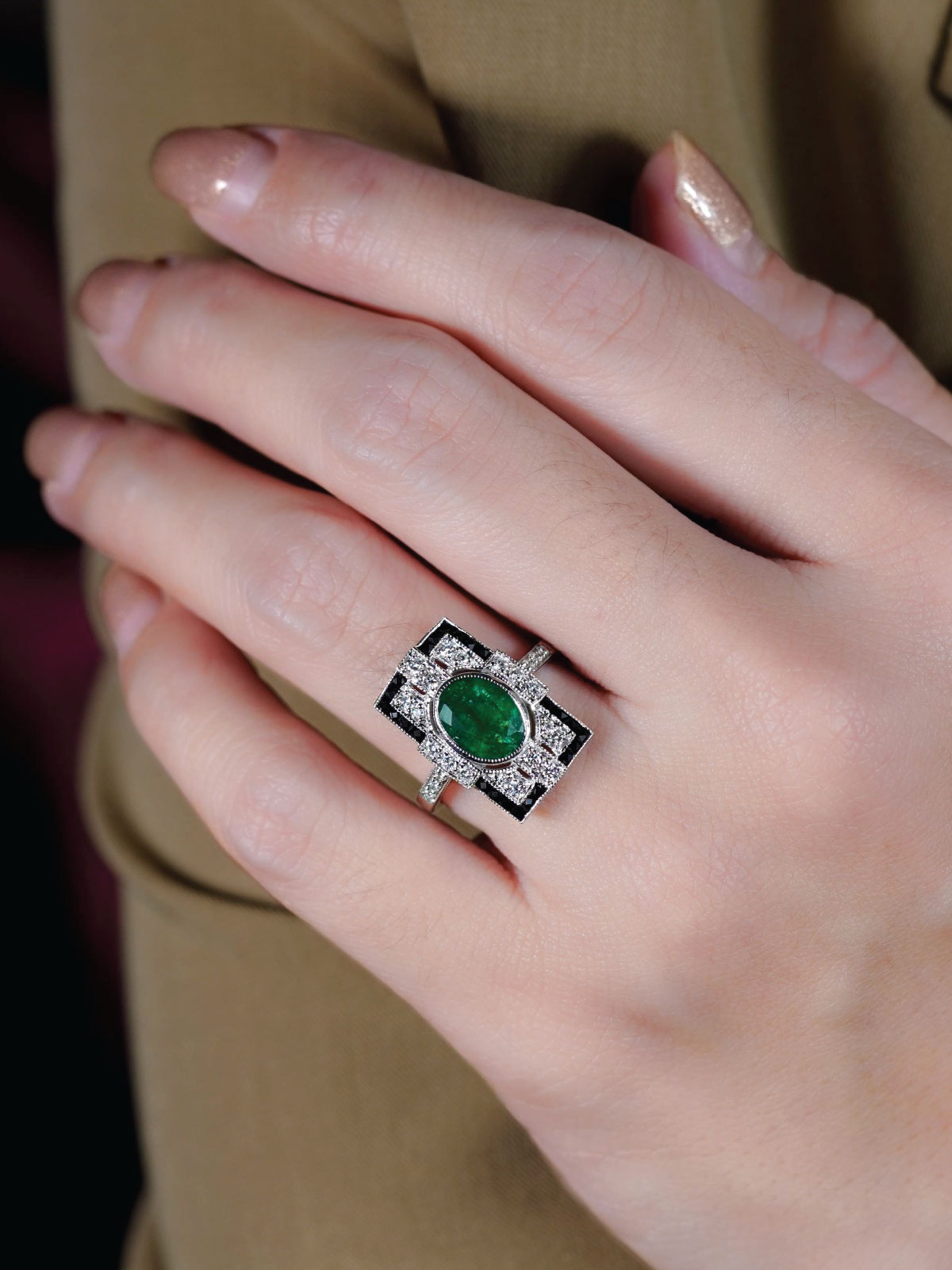
Ring
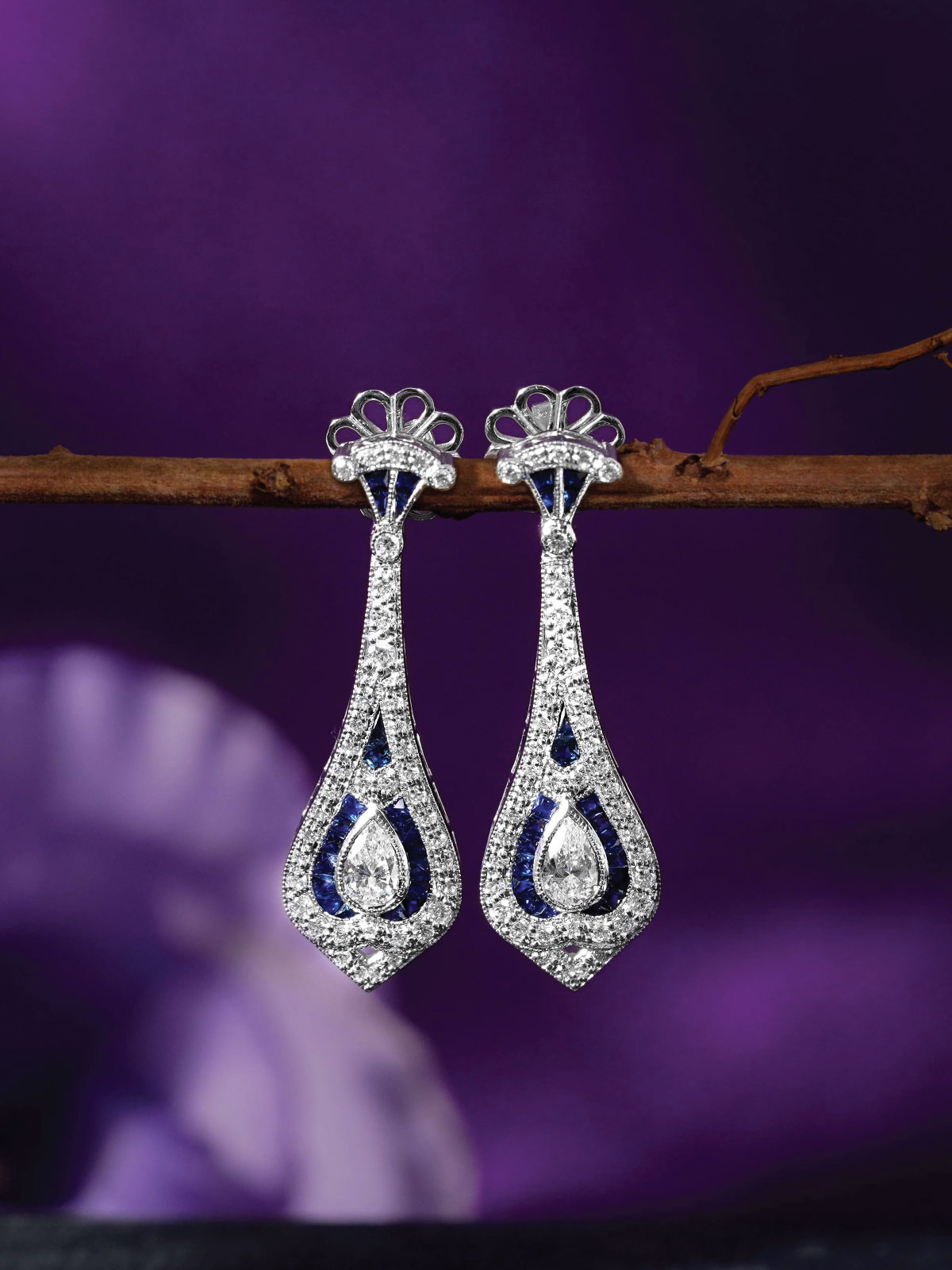
Earrings
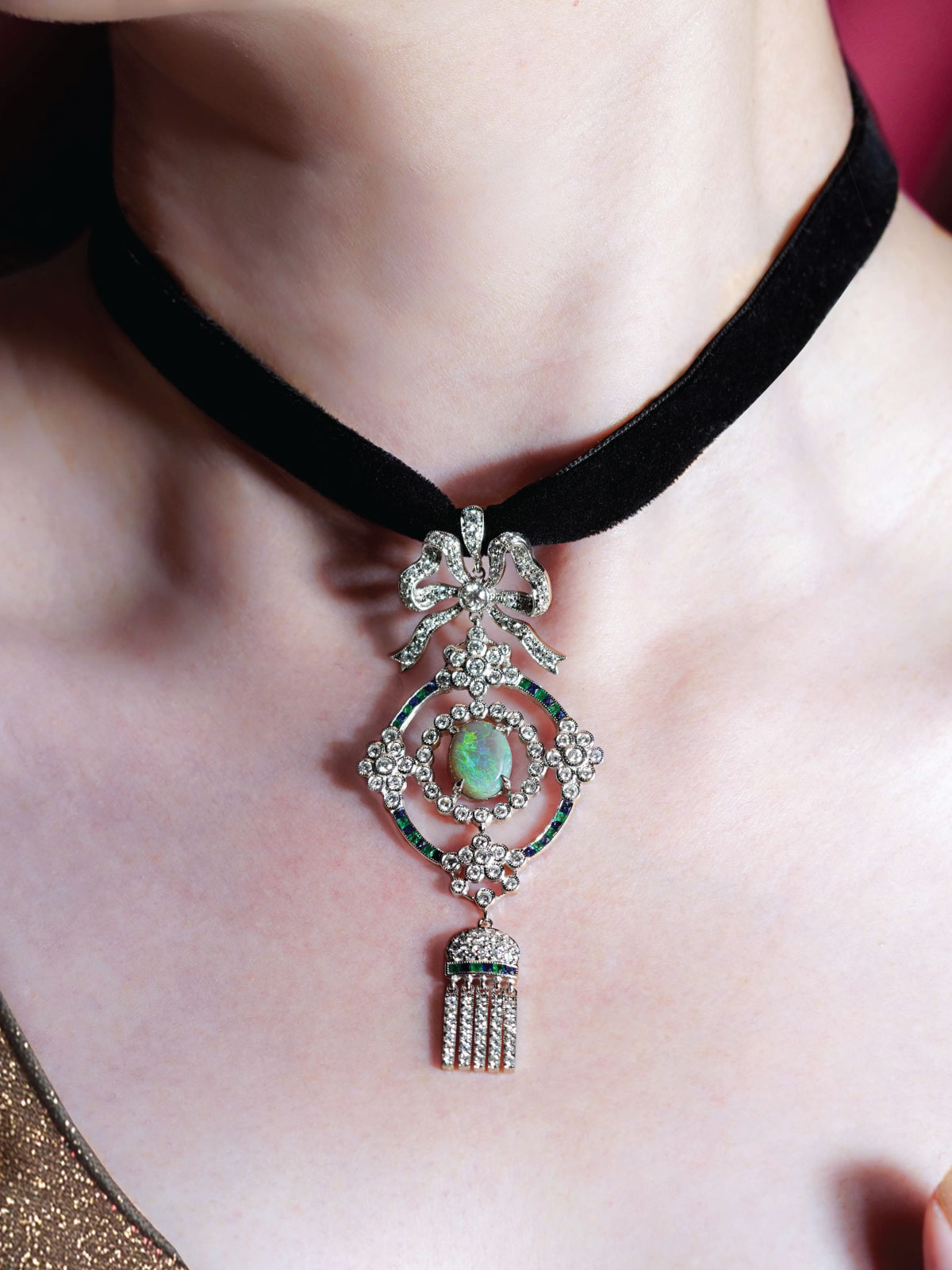
Pendant & Necklace
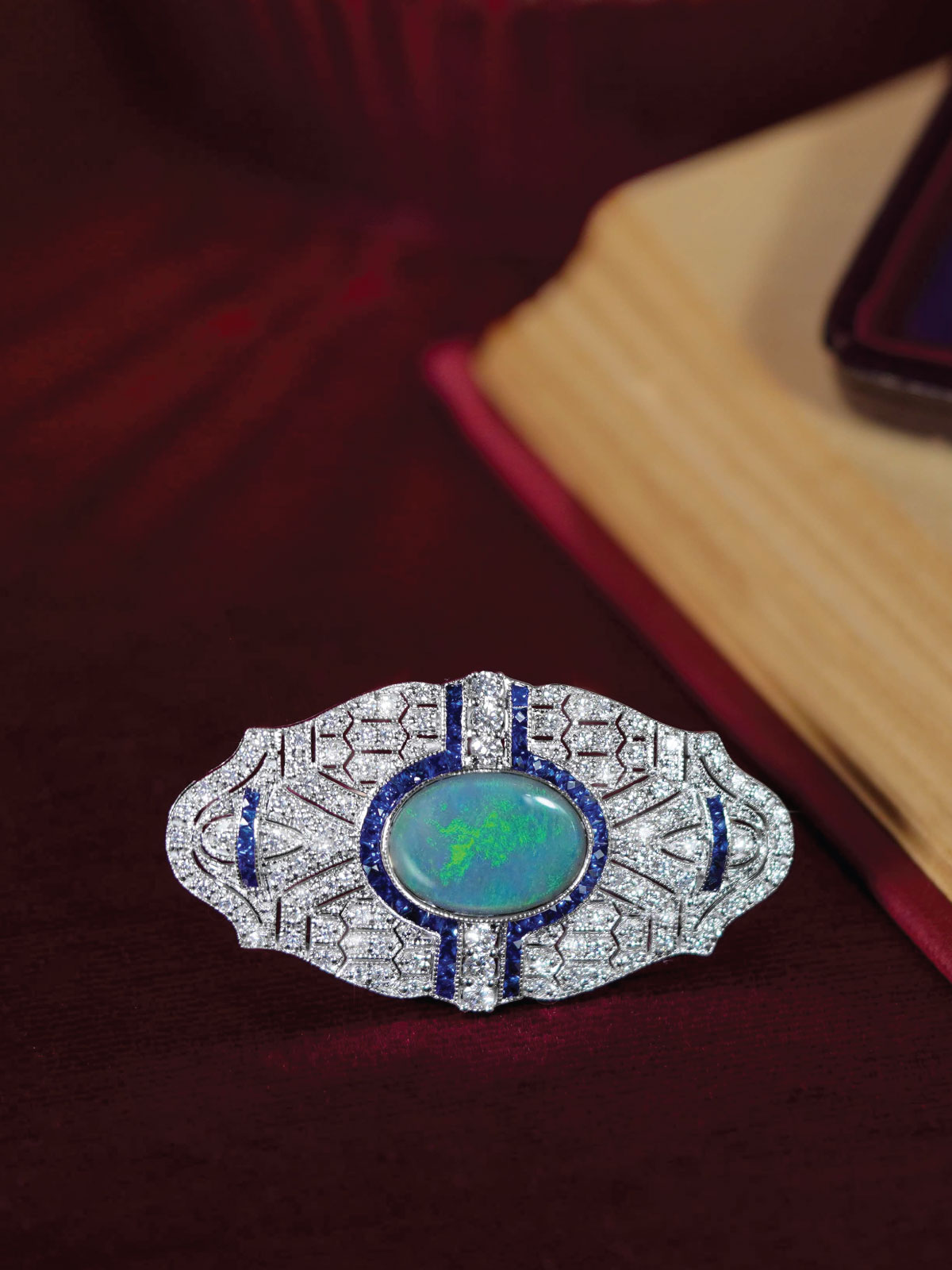
Brooch
Bracelet
Jewelry Set
How to Care for Fine Jewelry: Frequently Asked Questions
What is the basic routine for how to care for fine jewelry?
Wipe every piece after wearing it, wash hard and untreated stones gently every one to two weeks, treat organic or treated stones like pearls, opals, and most emeralds as wipe-only, store each piece separately away from light and humidity, remove jewelry before activities that risk impact or chemicals, and have a jeweler inspect it at least once a year.
Should you clean jewelry based on how hard the stone is?
No — clean by stability, not hardness. A high Mohs hardness number tells you how scratch-resistant a stone is, not whether it can safely be soaked, heated, or placed in an ultrasonic cleaner. Pearls, opals, and most emeralds are organic, water-bearing, or treated, so they need gentle wiping regardless of how hard they measure on the scale.
Does the metal change how much maintenance jewelry needs?
Yes. Solid gold and platinum need almost no special care and can be resized and repaired indefinitely. White gold needs periodic rhodium replating, typically every one to two years, to keep its bright white color. Gold-filled and gold-plated jewelry need the gentlest handling, since their gold is a layer or coating over a base metal rather than the metal itself.
What causes the most damage to fine jewelry?
Most damage happens during everyday activities rather than dramatic accidents — at the gym, in a swimming pool, doing housework, or applying lotion and cosmetics with jewelry still on. The habit that prevents the most damage is simple: apply cosmetics and lotion first, and put jewelry on last, removing it again before any activity that risks impact, chemicals, or abrasion.
How often should jewelry go to a professional?
At least once a year for anything worn regularly, so a jeweler can check every prong and setting, tighten anything loose, and clean the piece professionally. Bring a piece in sooner if a white gold item looks dull, a ring feels looser or tighter than before, pearls are due for restringing, or the piece has been knocked or visibly damaged.