
Blog, Care & How-to
How to Store Fine Jewelry to Keep It Safe
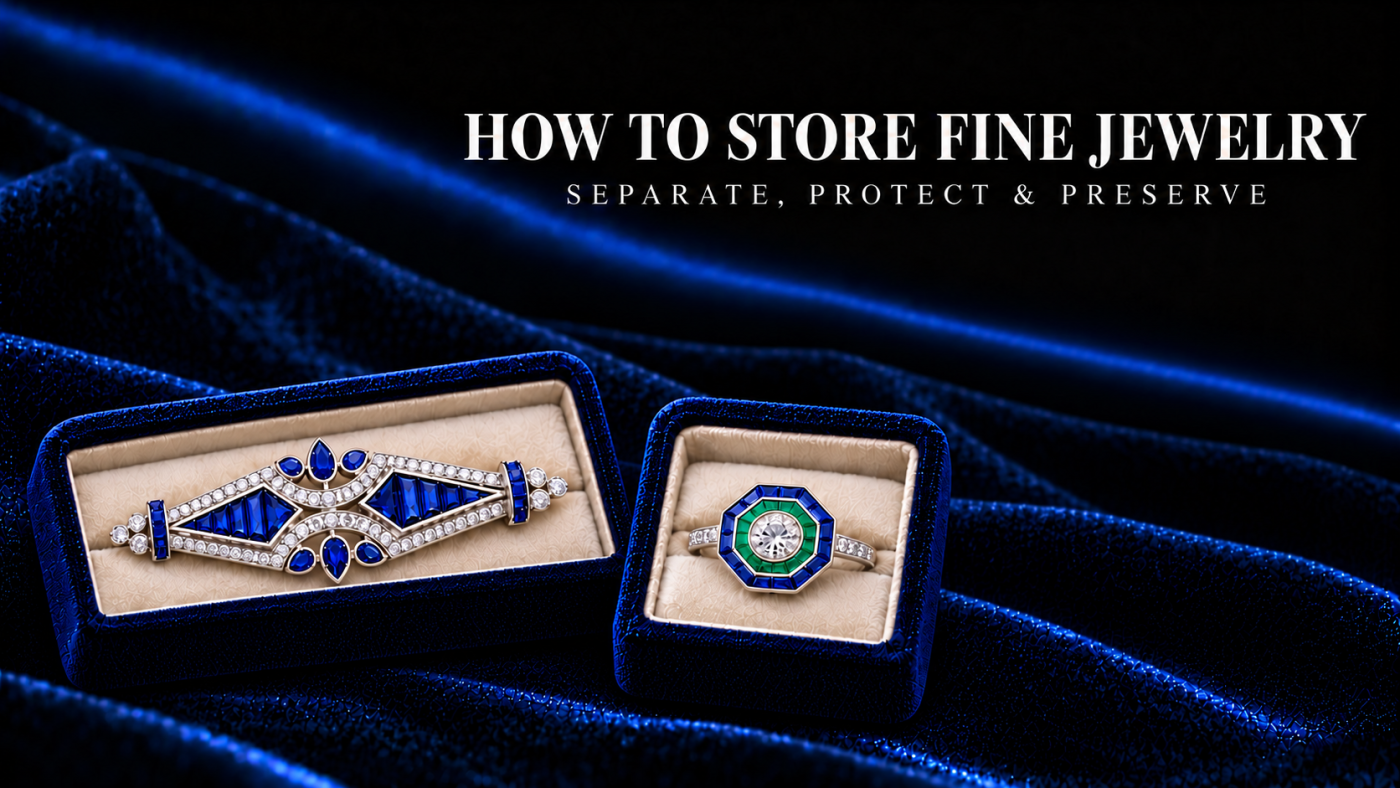
Key Takeaways: How to Store Fine Jewelry
- How to store fine jewelry safely comes down to three separate threats — tarnish, scratching, and tangling — and each one has its own fix, not one generic box.
- Pieces scratch each other through contact, so separation matters more than the container. A fabric-lined tray, individual soft pouches, or a compartmented box all work; tossing pieces loose into one drawer does not.
- Sterling silver tarnishes; solid gold and platinum do not. Anti-tarnish strips or an airtight bag protect silver; gold and platinum mainly need protection from scratching, not tarnish.
- Pearls and opals need the opposite of a sealed bag. They contain water and can dry out, craze, or become brittle if kept airtight for long periods — a breathable pouch and some ambient humidity serve them better.
- A safe protects against theft and fire; insurance protects the value. The two are often confused, and knowing how to store fine jewelry well does not replace scheduling a valuable piece on a policy.
How Do You Store Fine Jewelry to Keep It Safe?
How to store fine jewelry safely means separating pieces so they cannot scratch each other, keeping tarnish-prone metals like sterling silver away from air in a sealed bag or with anti-tarnish strips, letting pearls and opals breathe rather than sealing them airtight, and keeping everything away from direct light, heat, and humidity swings. A fireproof box or home safe adds protection against theft and fire; insurance protects the item’s value if something still goes wrong.
Jewelry Storage at a Glance, by Material
| Material | Main risk | Best storage |
|---|---|---|
| Sterling silver | Tarnish from airborne sulfur | Airtight bag or box with anti-tarnish strips |
| Solid gold (9K–18K) | Scratching from contact with other pieces | Individual soft pouch or lined compartment |
| Platinum | Scratching (cosmetic only; metal is not lost) | Individual soft pouch or lined compartment |
| Pearls | Drying out, cracking if sealed airtight too long | Breathable soft pouch, away from direct heat |
| Opals | Crazing (fine surface cracks) from dehydration | Breathable pouch, stable room humidity |
| Faceted gemstones | Chipping girdles/facet edges on contact | Individual compartment or pouch, stone-up |
| Chains | Tangling and kinking | Hung flat or fastened clasp-to-end before storing |
Why Does Storage Matter as Much as Cleaning?
Most of the damage a well-cared-for piece picks up does not happen while it is being worn — it happens between wears, sitting loose against other pieces in a drawer or jewelry box. A diamond, for instance, is hard enough to scratch nearly every other gemstone and every precious metal, including another diamond’s setting, simply by touching it in storage. A pair of earrings left loose with a bracelet can leave fine scratch lines on each other within weeks.
This is why how to store fine jewelry is really a question of preventing contact, preventing tarnish, and preventing the specific kind of damage each material is prone to — not a single rule that applies the same way to every piece.
Cleaning and storage solve different problems, too. Cleaning removes oils, lotion residue, and everyday dust that dull a piece’s shine; storage prevents the physical and chemical damage that happens while a piece is simply sitting unworn. A piece that is cleaned regularly but stored loose with other jewelry will still pick up fine scratches over time, which is the gap this guide focuses on.
Related: Bespoke & Personalization
How Should You Store Different Materials?
Sterling silver tarnishes because it reacts with sulfur compounds naturally present in the air, forming a dark surface layer. An airtight zip-top bag with the air pressed out, or a box with an anti-tarnish strip (a small pad that absorbs sulfur), slows this dramatically. Silver worn often tarnishes more slowly than silver left untouched, since handling removes the earliest tarnish layer.
Solid gold, at any karat, and platinum do not tarnish. Both are chemically stable metals, so their main storage risk is scratching from contact with other jewelry, not a chemical reaction. A soft pouch or a lined compartment, used individually per piece, solves this without needing anything airtight.
Pearls and opals both contain water as part of their structure, which is part of what gives pearls their soft luster and opals their play of color. Sealing either in an airtight bag or box for long stretches, especially somewhere dry like a safe-deposit box, can let them lose moisture over months or years, leading pearls to dull and crack, and opals to develop fine surface cracks called crazing. A breathable pouch, kept somewhere with normal household humidity, protects them far better than a sealed environment does.
Faceted gemstones set in rings or pendants should be stored stone-side up or in their own compartment, since the thin edge where facets meet — the girdle — chips more easily than the broad face of the stone.
Chains tangle because their links can interlock freely when left loose. Hanging a chain flat, or fastening the clasp to the opposite end before putting it away, keeps it from knotting into a shape that then has to be worked out by hand.
Knowing how to store jewelry safely by material, rather than treating every piece the same, is the single biggest difference between a collection that still looks new after years and one that needs frequent professional attention to undo preventable damage.
What Storage Method Should You Actually Use?
There is no single best container for how to store fine jewelry — the right choice depends on what you are protecting each piece from. A well-chosen jewelry storage box can cover most of this on its own, as long as it keeps pieces separated rather than piled together.
- Individual soft pouches — best default for most solid gold, platinum, and gemstone pieces. Each piece gets its own fabric compartment, so nothing touches anything else.
- A compartmented, fabric-lined jewelry box — works the same way as individual pouches, as long as each compartment holds one piece rather than several loose together. This is the jewelry storage box style most households already own, and it works well once pieces are not doubled up per slot.
- A sealed, airtight bag with anti-tarnish strips — the right choice specifically for sterling silver, not for pearls, opals, or anything else that needs to breathe.
- A hanging organizer — useful for chains and longer necklaces specifically, since it keeps them extended rather than coiled.
The pieces to avoid: a single open drawer or bowl with everything loose together, which guarantees contact between pieces, and anywhere with direct sunlight or a heat source nearby, which can fade some gemstones and dry out organic materials like pearls faster than normal. Whatever container is used, the underlying rule for how to store fine jewelry stays the same: one piece, one compartment.
Does Light, Heat, or Humidity Damage Jewelry in Storage?
Yes, in different ways for different materials. Prolonged direct sunlight can fade some colored gemstones, particularly amethyst and some treated stones, over months of continuous exposure — a drawer or closet is safer than a windowsill display. Heat sources, such as a radiator or a sunny shelf near a window, accelerate moisture loss in pearls and opals specifically, the same mechanism that causes crazing.
Humidity swings — not humidity itself — are the bigger issue for organic materials. A stable, moderate home environment is fine; what causes problems is a piece moving repeatedly between very dry and very humid conditions, such as frequent travel between climates without protective storage in between.
Workshop insight: a bedroom closet or dresser drawer, out of direct light, is usually a better everyday storage environment than people assume. The goal is stability, not anything special.
To protect jewelry from tarnish and from light-related fading at the same time, the simplest habit is to keep the storage spot consistent: the same closet shelf or drawer, away from a window and away from a heating vent, rather than moving pieces between different spots depending on mood or season.
How Do You Store Fine Jewelry While Traveling?
Travel is one of the most common ways fine jewelry actually gets damaged or lost, simply because it ends up loose in a suitcase pocket or washbag rather than properly separated. A small travel roll or case with individual compartments solves the same contact problem as home storage, just in a more compact form.
Two travel-specific habits matter: keep valuable or sentimental pieces in a carry-on rather than checked luggage, since checked bags are handled roughly and occasionally go missing, and remove jewelry before activities that routinely damage or lose it — swimming, the gym, and applying sunscreen or lotion are the most common culprits reported to jewelers for lost stones and damaged settings.
A compact travel case with its own small compartments answers how to store fine jewelry on the road the same way a jewelry storage box answers it at home — separation first, everything else second.
Related: Support & FAQ
Does a Safe Protect Your Jewelry?
A home safe or fireproof box protects jewelry against two specific risks: theft and fire. It does not, by itself, protect the piece’s financial value if it is lost, stolen, or damaged despite being stored carefully — that is what insurance is for, not storage.
Most standard homeowners or renters policies cap jewelry coverage well below what a fine piece is worth and may exclude loss (as opposed to theft) entirely. A scheduled-item rider or a standalone jewelry policy, based on an appraisal, is what actually restores the piece’s value if something happens. Storing a piece well in a safe and insuring it are two different, complementary steps — doing one does not replace the other.
There is no investment angle here either way: a safe and insurance exist to protect against loss, not to suggest the piece will grow in value over time.
For pieces worn daily rather than kept in a safe, the same core question still applies: how to store fine jewelry when it comes off at the end of the day, even briefly on a nightstand, matters more than people expect, since a ring or bracelet set down loose next to a phone or a lamp base is one of the more common ways a stone gets chipped at home.
Related: Our Guarantee
What Storage Mistakes Should You Avoid?
The most common mistakes behind avoidable jewelry damage are small and easy to fix once you know how to store fine jewelry correctly:
- Storing everything loose together in one drawer or bowl, which guarantees scratching between pieces.
- Sealing pearls or opals airtight for long periods, which can dry them out over time.
- Leaving sterling silver exposed to open air for months without an anti-tarnish strip or sealed bag.
- Storing jewelry in direct sunlight or near a heat source, such as a sunny windowsill display.
- Packing jewelry loose in checked luggage rather than in a compartmented travel case in a carry-on.
- Treating a safe as a substitute for insurance, or insurance as a substitute for careful storage — each covers a different risk.
- Setting a ring or bracelet down loose on a nightstand or bathroom counter “just for a minute,” which is how a surprising number of stones get chipped or chains get lost.
None of these fixes require special equipment or much time. Most of how to store fine jewelry well is a short list of habits — separate, match the method to the material, keep it stable — repeated consistently, rather than one expensive purchase that solves everything at once.
What Should You Remember About Storing Fine Jewelry?
How to store fine jewelry safely comes down to separating pieces so they cannot scratch each other, matching the storage method to the material (sealed and dry for silver, breathable for pearls and opals, simply separated for gold and platinum), and keeping everything away from direct light, heat, and humidity swings. A safe adds protection against theft and fire; insurance protects the value if something still happens despite good storage.
We set pieces in solid gold, platinum, and natural gemstones built to be worn for decades, and the storage habits between wears matter as much to that lifespan as the craftsmanship does. A piece stored well for twenty years and one stored carelessly for twenty years can end up looking like they come from two different jewelers, even though nothing about the piece itself changed — only how it was kept between wears.
Sources: GIA — Caring for Your Jewelry · GIA — Pearl Care and Cleaning
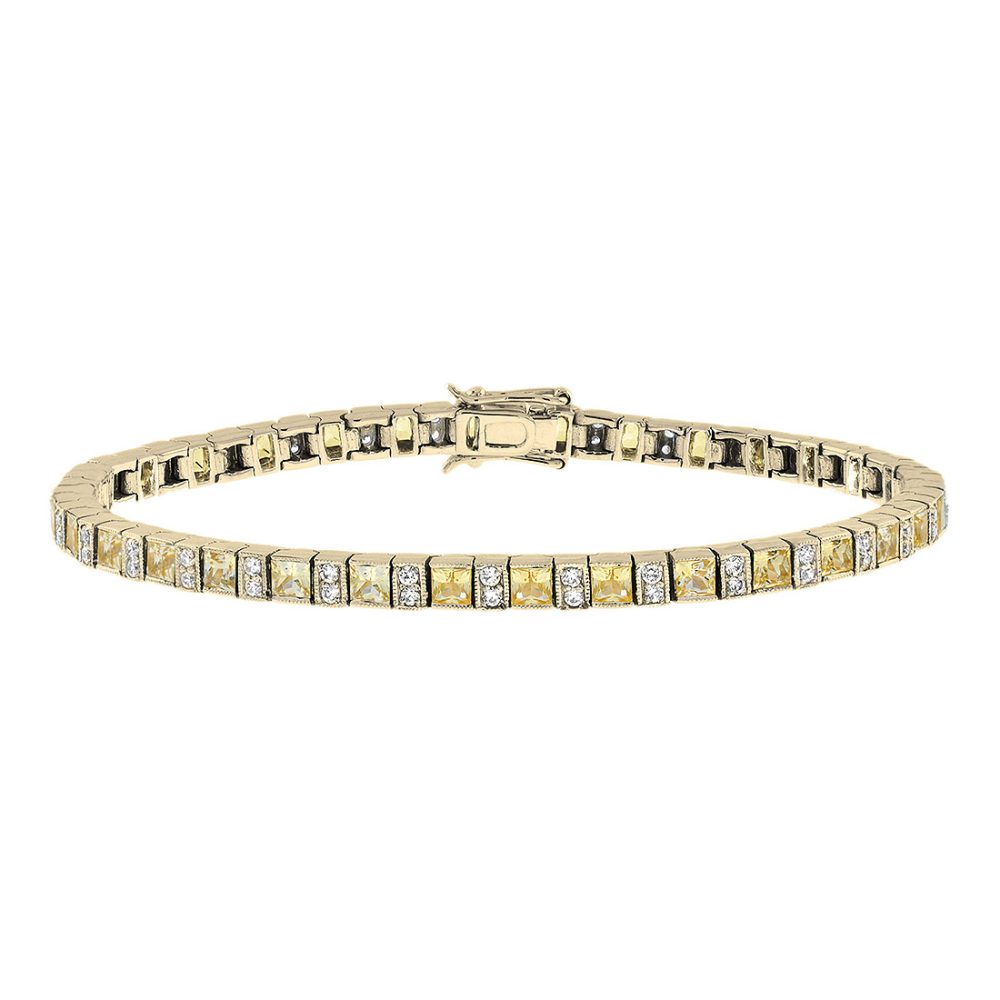
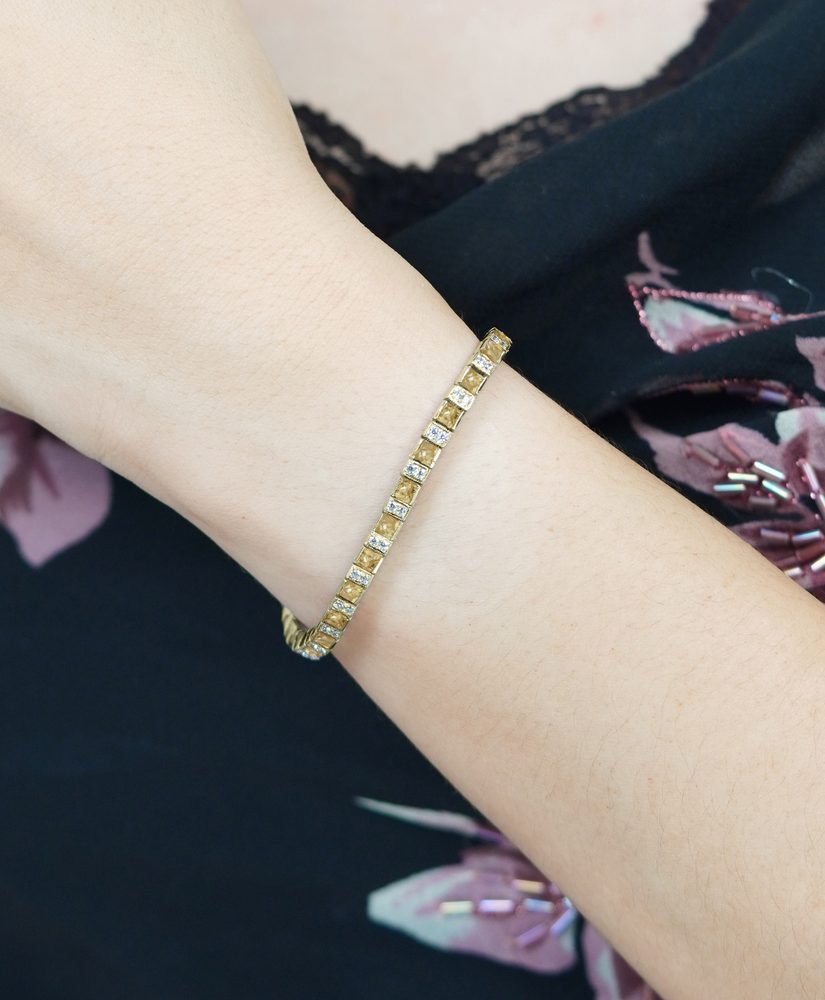
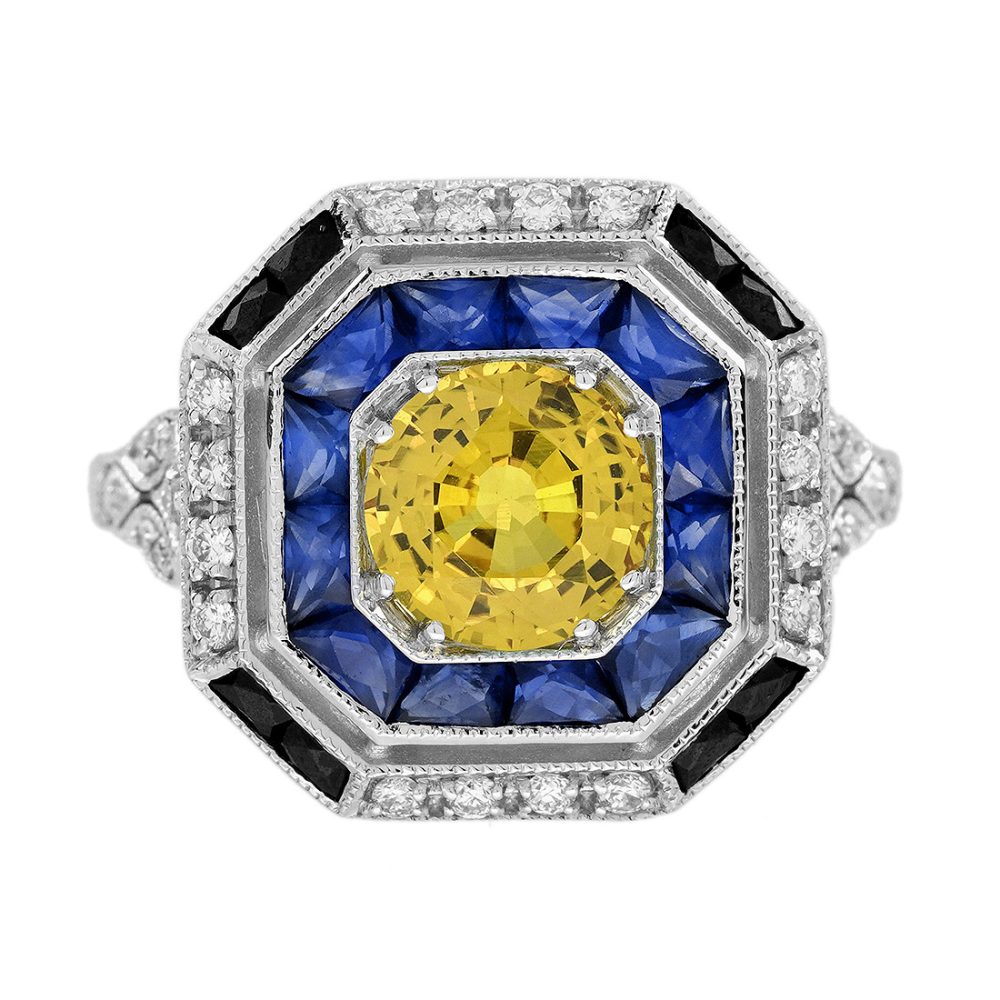
Yellow Sapphire
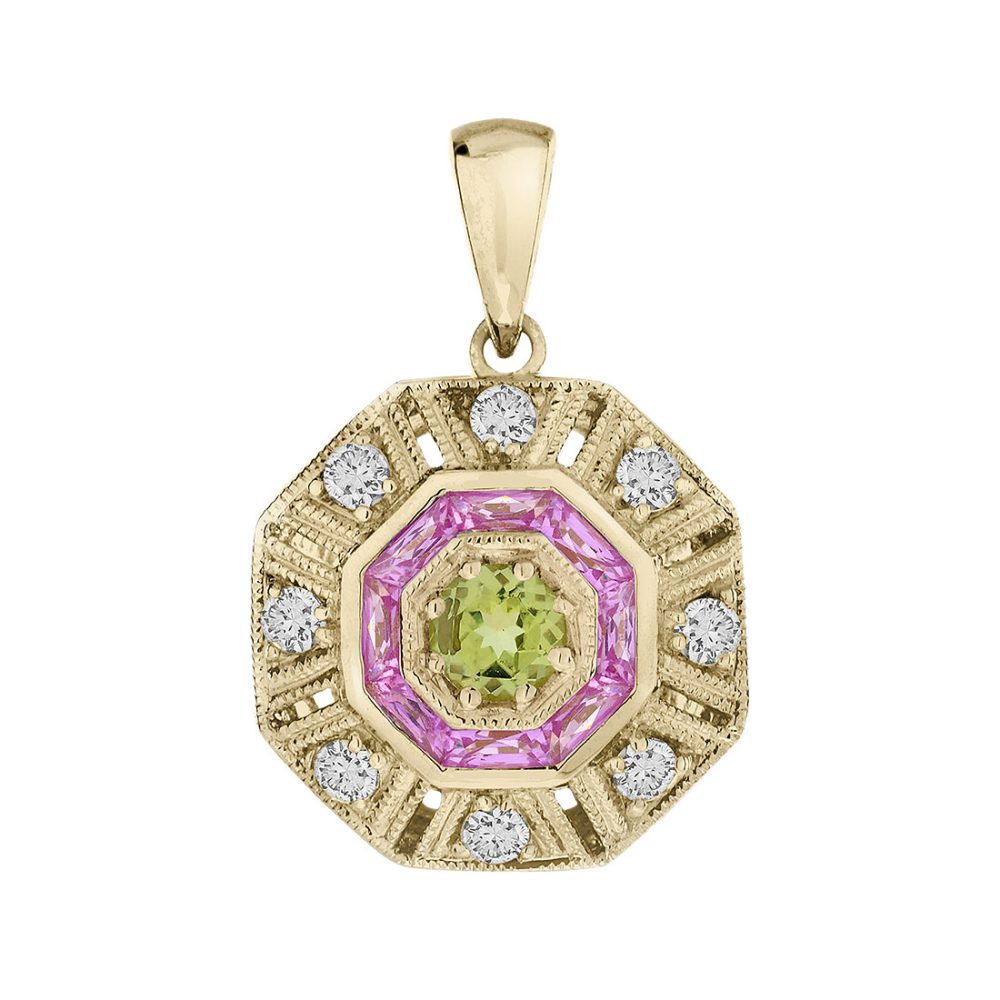
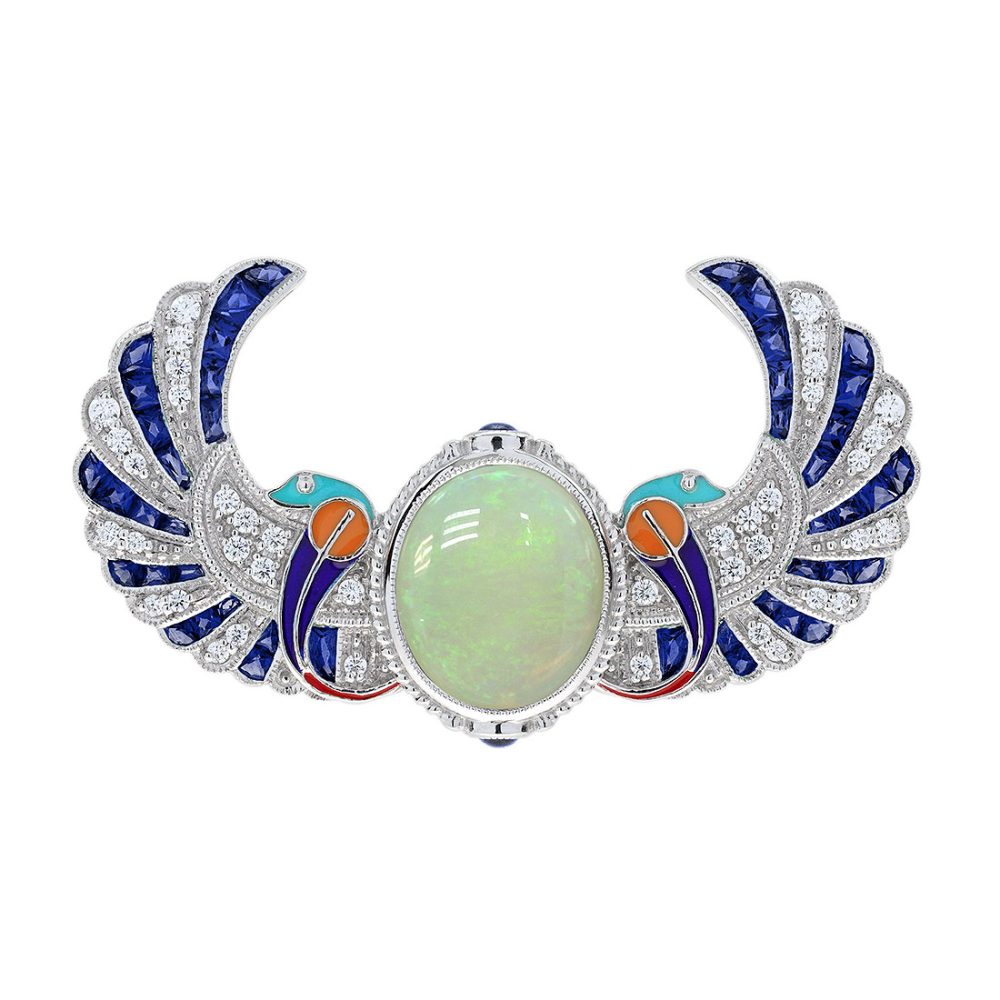
The Art of the Wild
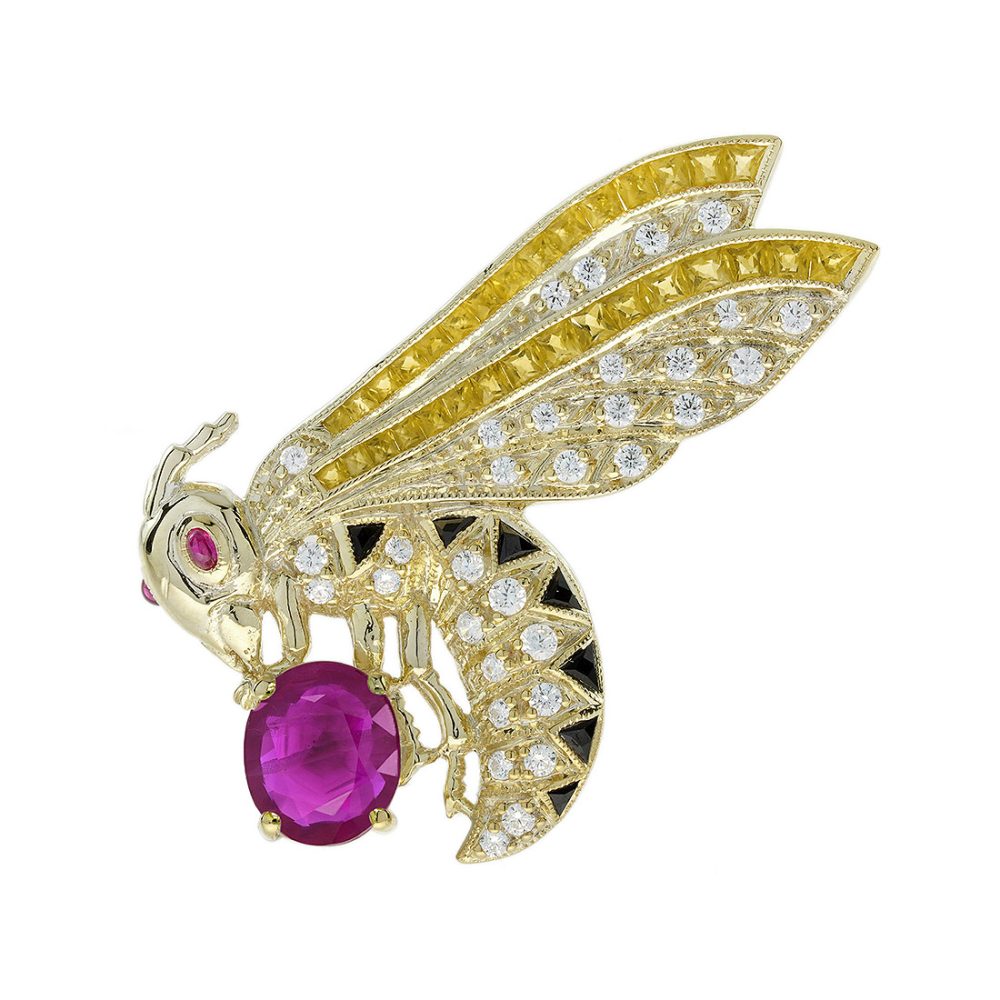
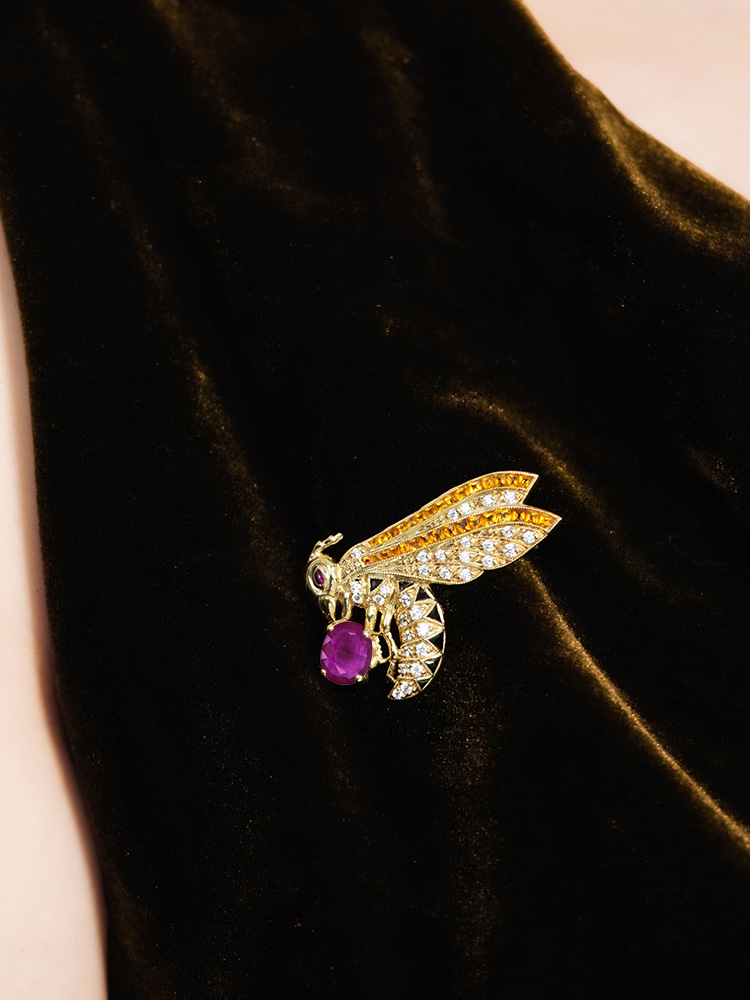
The Art of the Wild
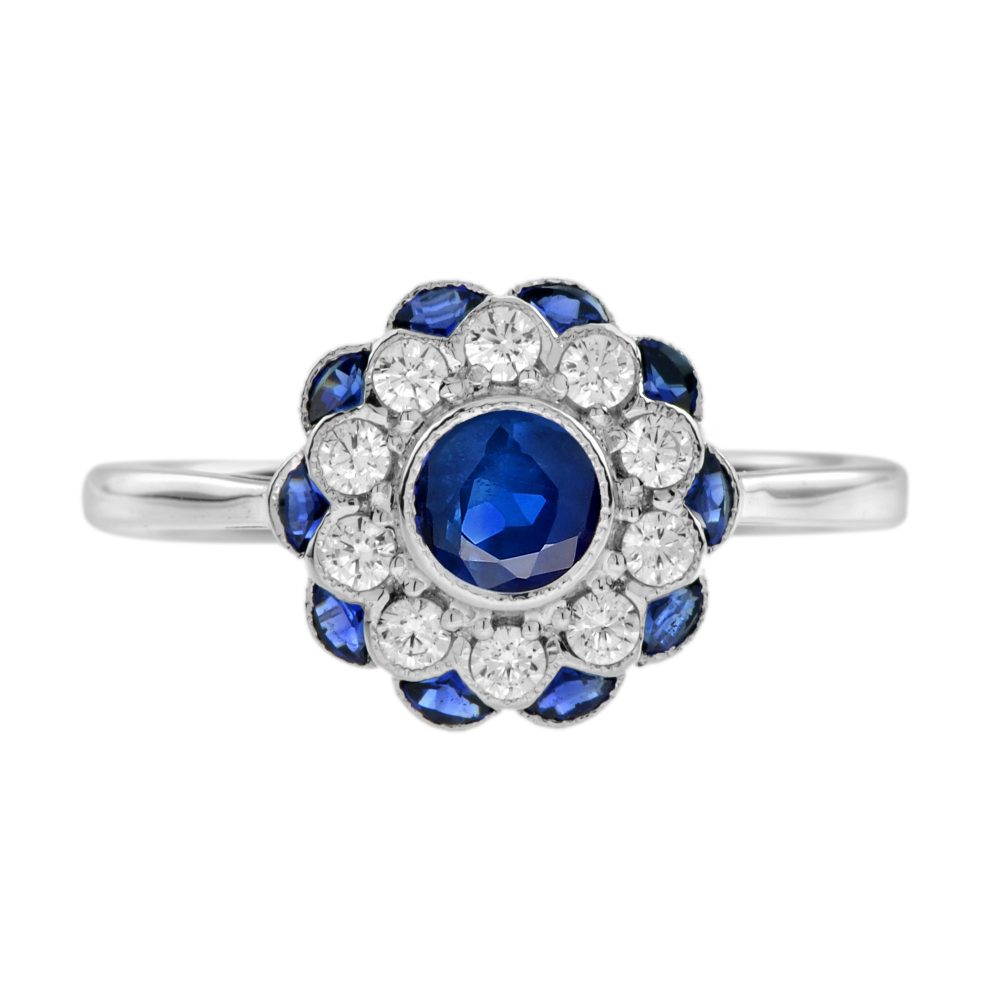
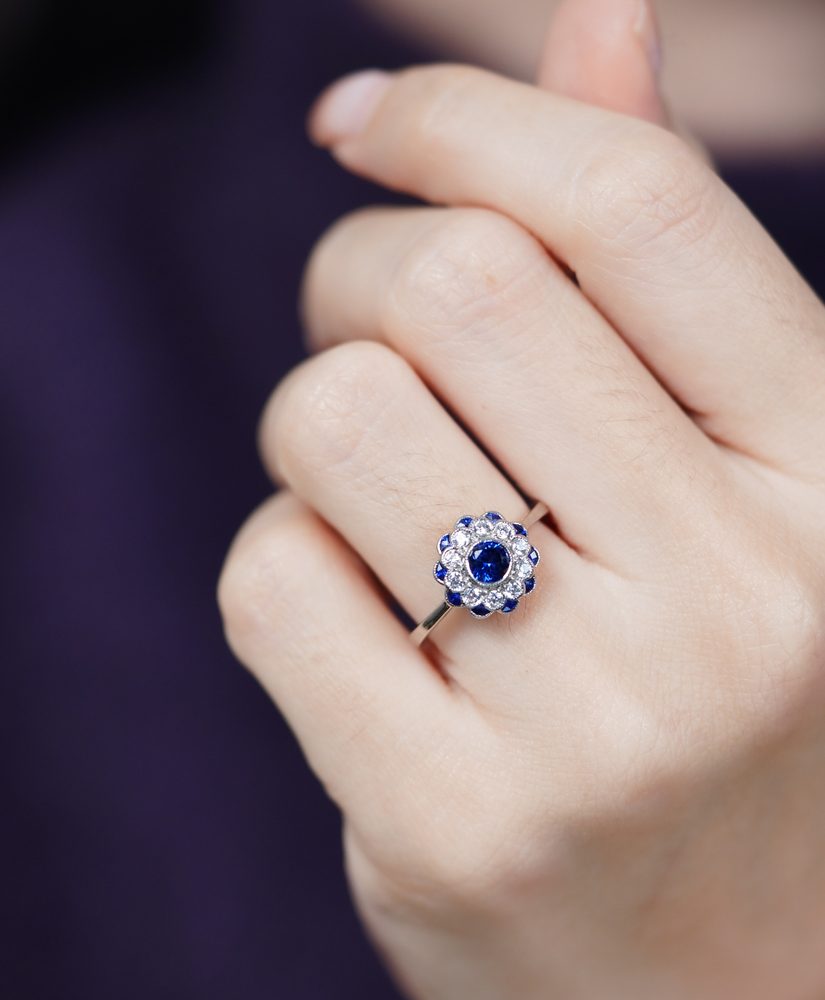
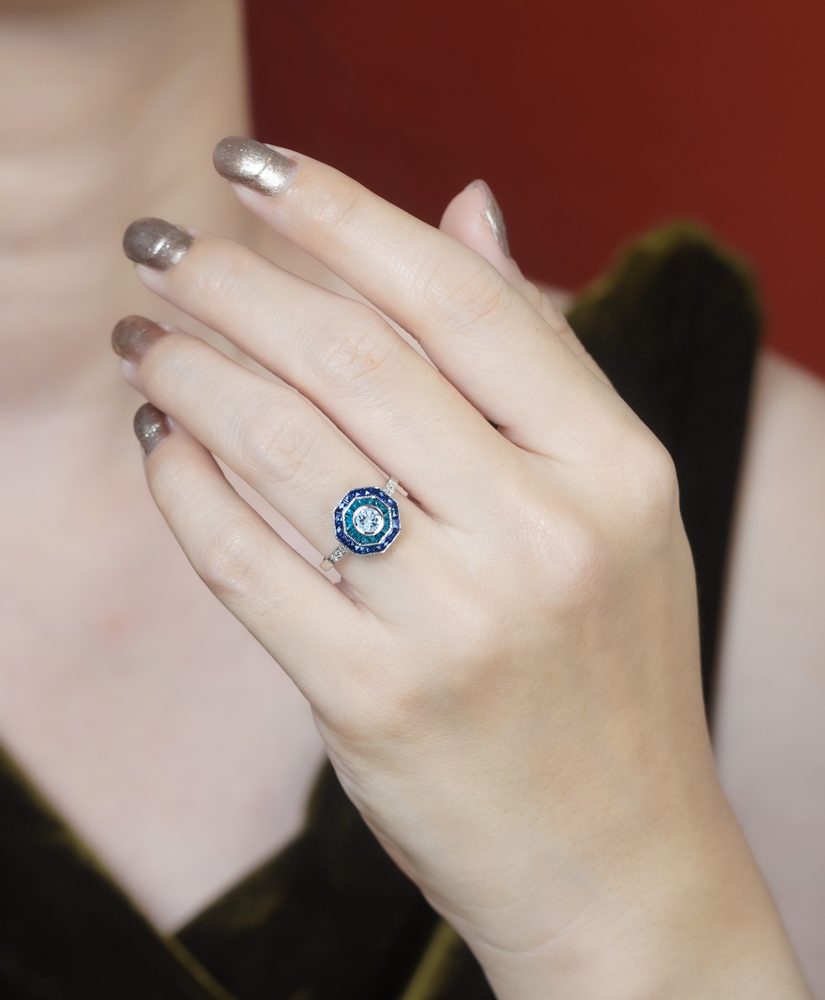
Engagement Ring
0.4 Ct. Blue Sapphire Diamond Ceylon Sapphire Engagement Ring
Frequently Asked Questions: How to Store Fine Jewelry
Can I use one jewelry box for all my pieces?
Only if each piece has its own compartment or pouch within the box. A single box is fine as a container; what matters for how to store fine jewelry safely is that pieces do not touch each other inside it, since contact between pieces is what causes most storage scratches.
Why does my sterling silver tarnish so fast?
Sterling silver reacts with sulfur compounds in the air, which is a normal chemical process, not a sign of poor quality. An airtight bag or a box with anti-tarnish strips slows the reaction significantly, and wearing a piece regularly also slows tarnish compared to leaving it untouched.
Should I keep pearls in an airtight bag?
No. Pearls contain water as part of their structure, and sealing them airtight for long periods can dry them out over time, leading to dulling or cracking. A breathable soft pouch, kept somewhere with normal household humidity, protects pearls better than an airtight environment.
Is a home safe enough to protect my jewelry?
A safe protects against theft and fire, which is valuable, but it does not restore a piece’s financial value if it is lost, stolen, or damaged. Insurance, typically a scheduled-item rider based on an appraisal, is the separate step that actually protects the value — a safe and insurance are complementary, not interchangeable.
What is the safest way to pack jewelry for travel?
Use a small travel case or pouch with individual compartments, keep it in a carry-on rather than checked luggage, and remove jewelry before activities that commonly damage or lose it, such as swimming or applying sunscreen. The same separation principle that applies at home applies on the road.