
Blog, Buying Guides
How to Buy Fine Jewelry Online Safely

Key Takeaways: Buying Jewelry Online Safely
- Buying jewelry online is safe when the seller is verifiable. The risk is not the internet itself but the anonymity it allows, so the whole task is confirming who you are dealing with, what the stone is, and what happens if something is wrong.
- You have real legal protections. Under the FTC’s prompt-delivery rule, an online seller must ship within the stated time — or within 30 days if none is stated — or notify you and offer a full, prompt refund.
- Insist on an independent report. For any significant stone, a report from a laboratory such as GIA, verified through GIA’s own Report Check, is the difference between a described stone and a proven one.
- Pay by credit card and read the return policy first. A credit card gives you a billing-dispute right the seller cannot remove, and a clear return window with insured shipping is the mark of a serious jeweler.
- Most red flags are about what is missing. No physical address, no independent report, no clear returns, a price too good to be true, or pressure to buy now are the recurring warning signs.
Is Buying Jewelry Online Safe?
Yes — buying jewelry online is safe when you buy from a verifiable seller, insist on an independent grading report for any significant stone, pay by credit card, and confirm the return and shipping policy before you order. The internet is not the risk; an anonymous seller with no accountability is. Everything below is how to remove that anonymity.
Online Jewelry Safety Checklist at a Glance
| What to check | Why it matters | Red flag |
|---|---|---|
| Who the seller is | Accountability depends on a real, contactable business | No physical address, no phone, no company details |
| Independent report | Proves the stone’s identity and grade, not just the seller’s word | No report, or one you cannot verify with the lab |
| Return policy | You must be able to inspect the piece in person and send it back | All sales final, or a window under a week |
| Payment method | A credit card carries a billing-dispute right | Only bank transfer, crypto, or gift cards accepted |
| Secure checkout | Protects your card and personal details in transit | No HTTPS padlock; card details taken by email |
| Honest description | Treatments and materials must be disclosed by law | “Natural” used loosely, or new pieces called “antique” |
| Insured shipping | A valuable parcel needs cover and a signature | Uninsured post, or no tracking or signature |
How Do You Verify the Seller and the Stone?
Verification is the whole game, and it splits into two questions: is the seller real, and is the stone what they say it is.
Verifying the seller. A trustworthy online jeweler is easy to identify offline. Look for a physical business address, a working telephone number and email, a company registration or trading history, and independent reviews hosted somewhere the seller does not control. A serious maker will also tell you plainly where pieces are made and by whom. The absence of any of this is not proof of fraud, but it removes your ability to hold anyone accountable, which is the entire point of buying safely.
Verifying the stone. For any significant gem, the standard is an independent grading report from a recognized laboratory such as GIA. Crucially, a report is only as good as its authenticity, and you can confirm that yourself: GIA offers a Report Check service that lets you verify whether the information on a report matches the details GIA holds in its own database. Enter the report number and confirm that the carat, color, clarity, and cut on the page match GIA’s own records. A seller’s photograph of a report is not verification; the lookup is.
For colored stones and for anything described as natural or untreated, ask directly what treatments have been applied. Treatment disclosure is required, and a seller who cannot answer clearly is a seller to leave.
What Do Your Rights Cover When Buying Jewelry Online?
Online purchases in the United States come with consumer protections that many buyers never invoke because they do not know they exist. Two matter most.
Prompt delivery. Under the FTC’s Mail, Internet, or Telephone Order Merchandise Rule, a seller must have a reasonable basis for its shipping promise. The FTC requires that where advertising does not clearly state a shipment period, the seller “must have a reasonable basis for believing that you can ship within 30 days.” If the seller cannot ship on time, the rule requires that “you must notify the customer of the delay, provide a revised shipment date and explain his right to cancel and get a full and prompt refund.” A made-to-order piece will take longer than a stock item — which is legitimate — but the timeline must be stated up front, not discovered after payment.
Payment disputes. Paying by credit card gives you a billing-dispute right that other methods do not. The FTC advises that if you are billed for something you never received, you can dispute the charge with your card issuer. Bank transfers, wire, cryptocurrency, and gift cards carry no such protection, which is exactly why a seller who accepts only those methods should give you pause.
Workshop insight: We treat the shipping timeline as part of the quote, not a detail to settle later. A made-to-order or bespoke piece is built over weeks, and a client should know that number before paying a deposit, along with what happens if the date moves. A jeweler who is vague about the timeline is usually a jeweler who has not planned the work.
What Should the Return, Shipping and Warranty Policy Say?
Because you cannot hold the piece before you buy, the policies are your substitute for the loupe and the counter. Read them before you order, not after.
- A real return window. Enough time to receive the piece, inspect it in daylight, and if necessary have it independently appraised. A window measured in days rather than a single day, with clear instructions for insured return, is the mark of a confident seller. Note that made-to-order and bespoke pieces are often, reasonably, non-returnable — so the time to get the specification right is before it is made.
- Insured, tracked, signature shipping. A valuable parcel should travel insured, tracked, and requiring a signature, in both directions. Uninsured post for a fine piece is a risk the seller is passing to you.
- A stated warranty and aftercare. Fine jewelry needs sizing, prong re-tipping, and periodic setting checks across its life. A seller who offers resizing and repair is a seller who expects to stand behind the piece; one who disappears after the sale is not.
- An appraisal for insurance. For a significant purchase, an independent appraisal lets you insure the piece at its true value. It is separate from the grading report and serves a different purpose.
Related: Our Guarantee · Return Policy
What Are the Red Flags of an Unsafe Jewelry Site?
Most online jewelry problems announce themselves in advance. The warning signs are less about elaborate scams than about basic accountability that is quietly missing.
- A price too good to be true. A large, flawless, inexpensive stone is almost always treated, reconstituted, laboratory-grown but undisclosed, or misgraded. Real value has a floor.
- No verifiable identity. No physical address, no phone, no company details, and reviews only on the seller’s own site.
- Payment steered off-card. A push toward bank transfer, wire, cryptocurrency, or gift cards — the methods with no dispute rights.
- Pressure and false scarcity. Countdown timers, “one left,” and pressure to decide immediately are sales tactics, not fine-jewelry practice.
- Loose or misleading language. “Natural” used without regard to treatment, or — a specific and unlawful one — newly made pieces described as “antique,” “vintage,” or “estate.” Under the FTC Jewelry Guides, that is a misrepresentation, and it signals a seller careless with the truth.
- No secure checkout. No HTTPS padlock, or a request to send card details by email.
Workshop insight: The single most reliable tell, in our experience, is how a seller answers a direct question. Ask what treatments a stone has had, who made the piece, and what the return terms are. A trustworthy jeweler answers plainly and in writing; an untrustworthy one deflects, rushes, or contradicts the listing. The answer matters less than the willingness to give one.
How Do You Judge Photos and Descriptions Online?
The one thing you cannot do online is hold the piece, so the listing has to do that work — and learning to read it is one of the most useful online jewelry tips there is. A good listing gives you enough to judge the piece; a poor one hides behind a single flattering angle.
- Prefer video and 360-degree views to a single still. A rotating video shows how the stone actually returns light and reveals inclusions and setting detail that one retouched photograph is chosen to hide.
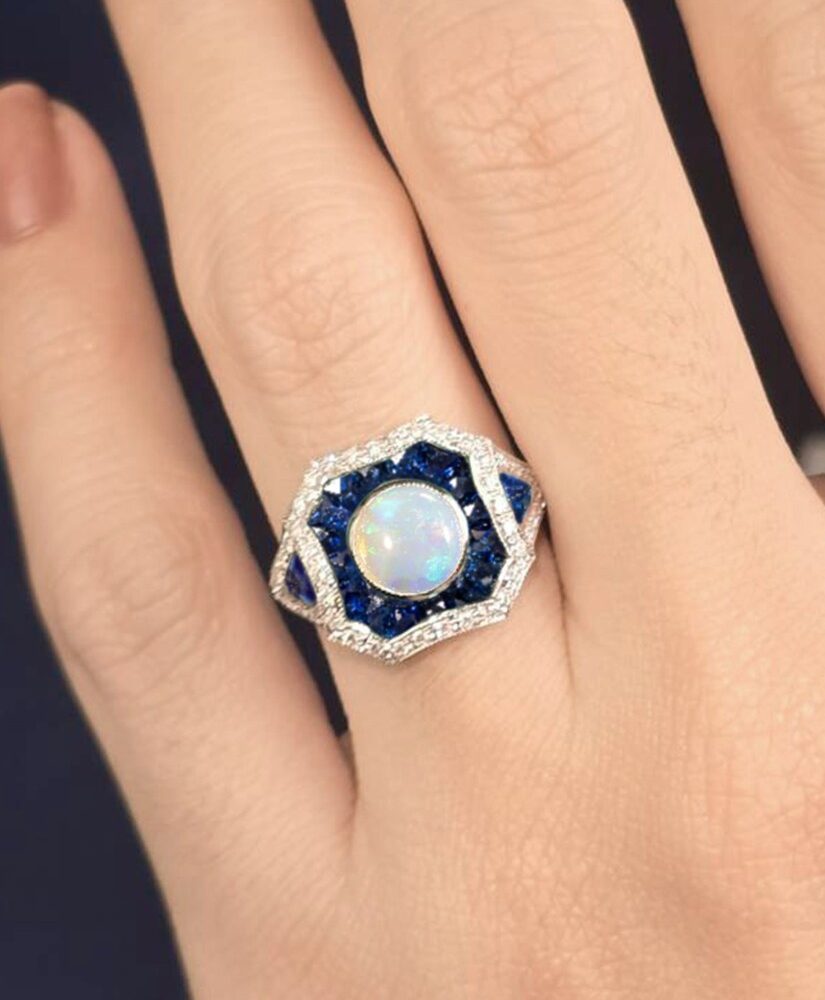
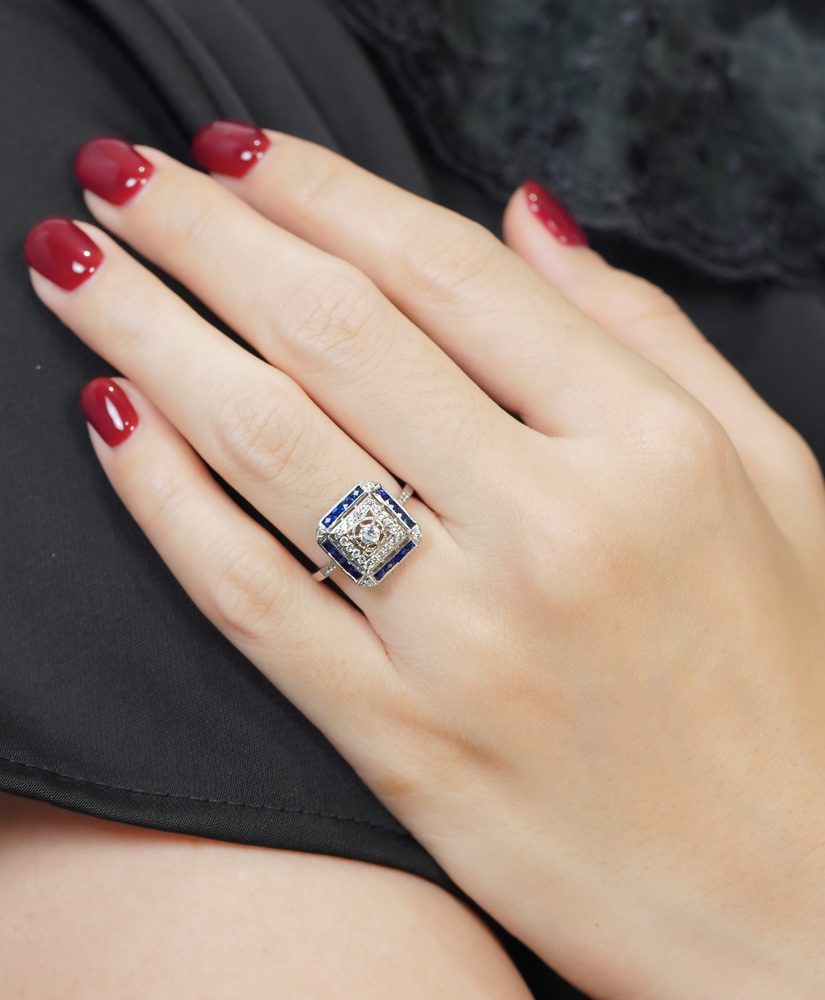
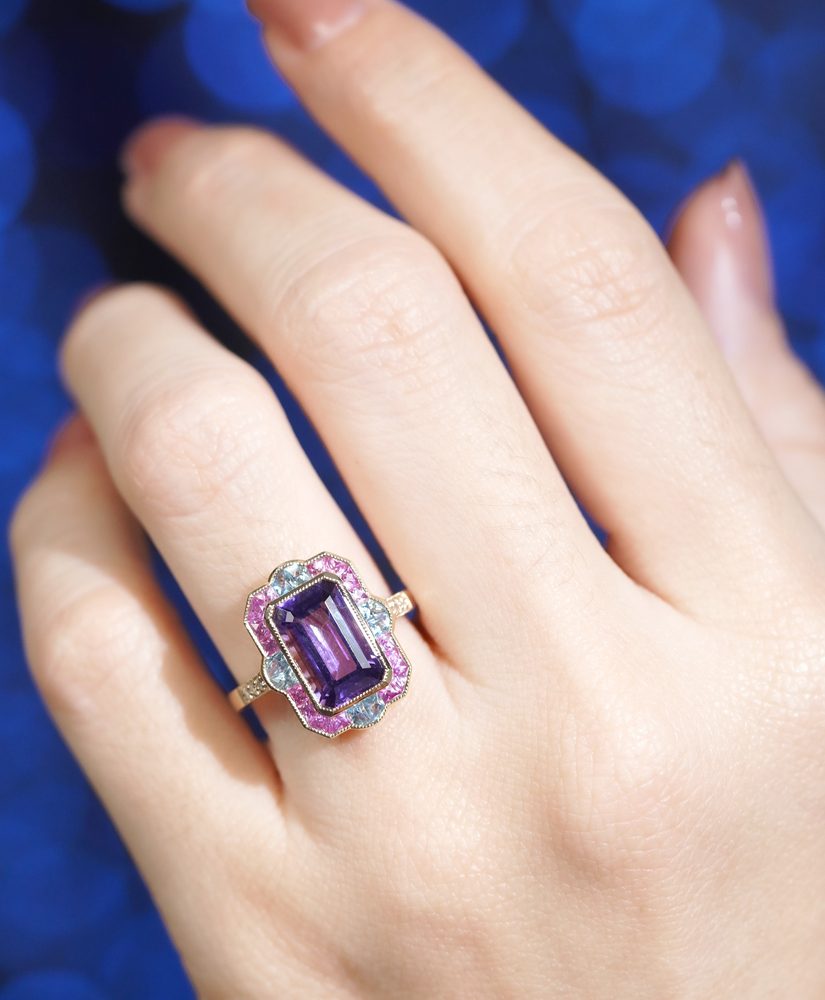
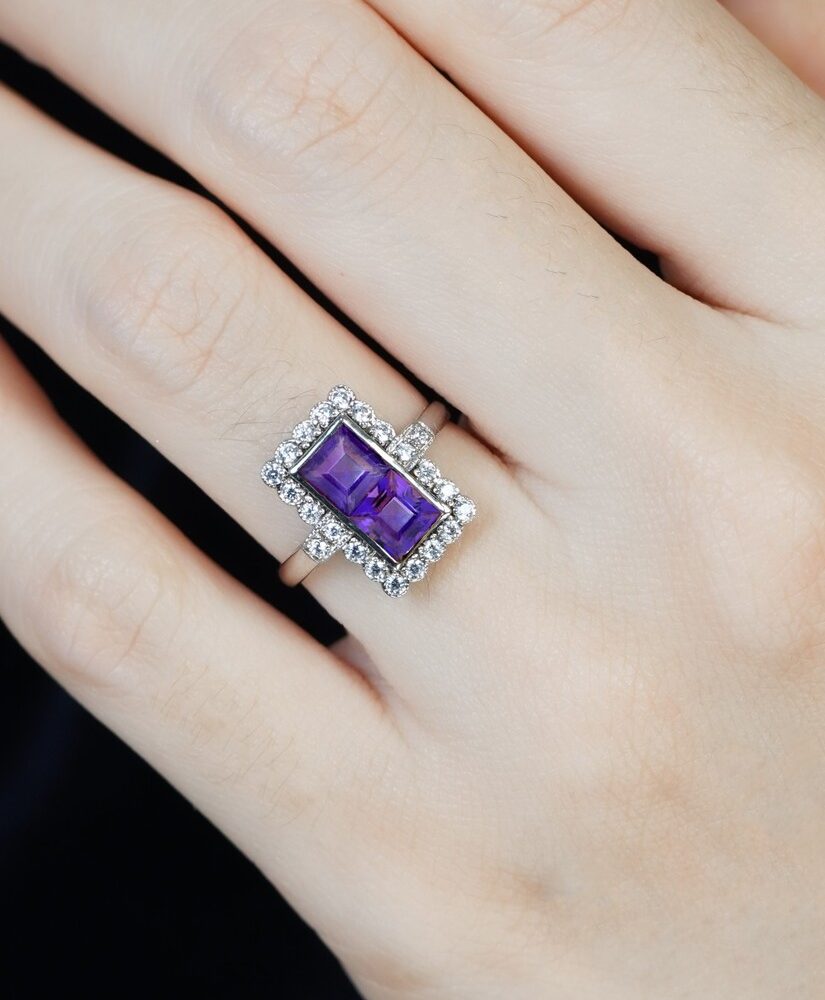
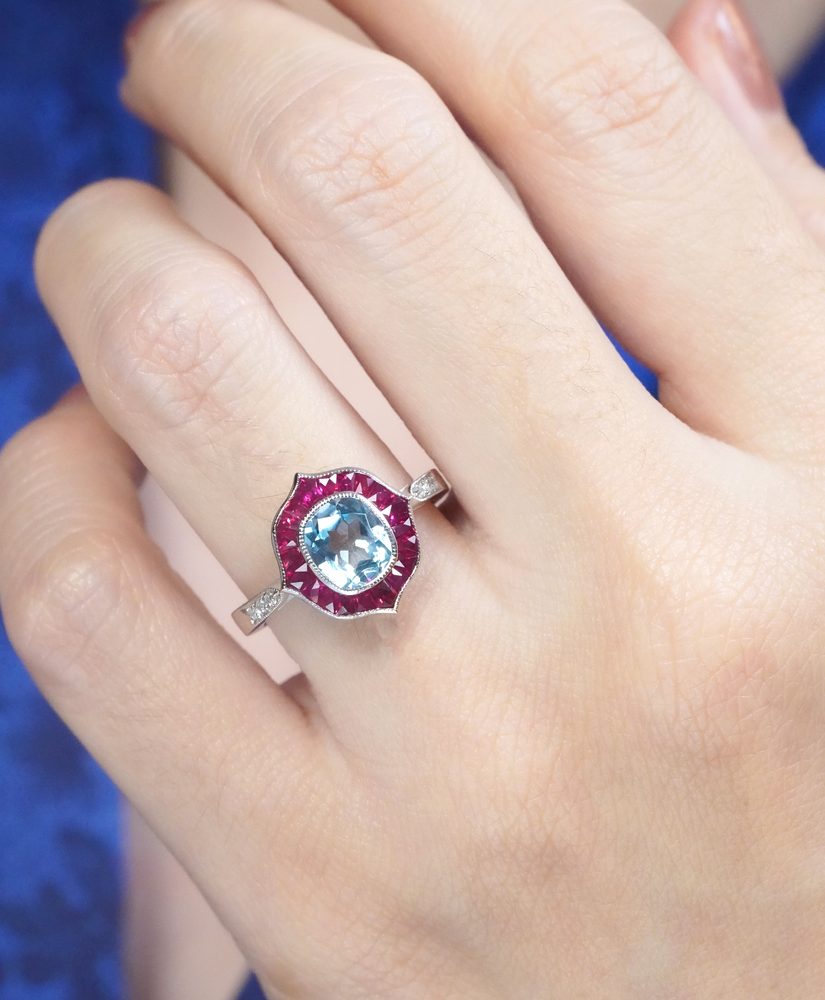
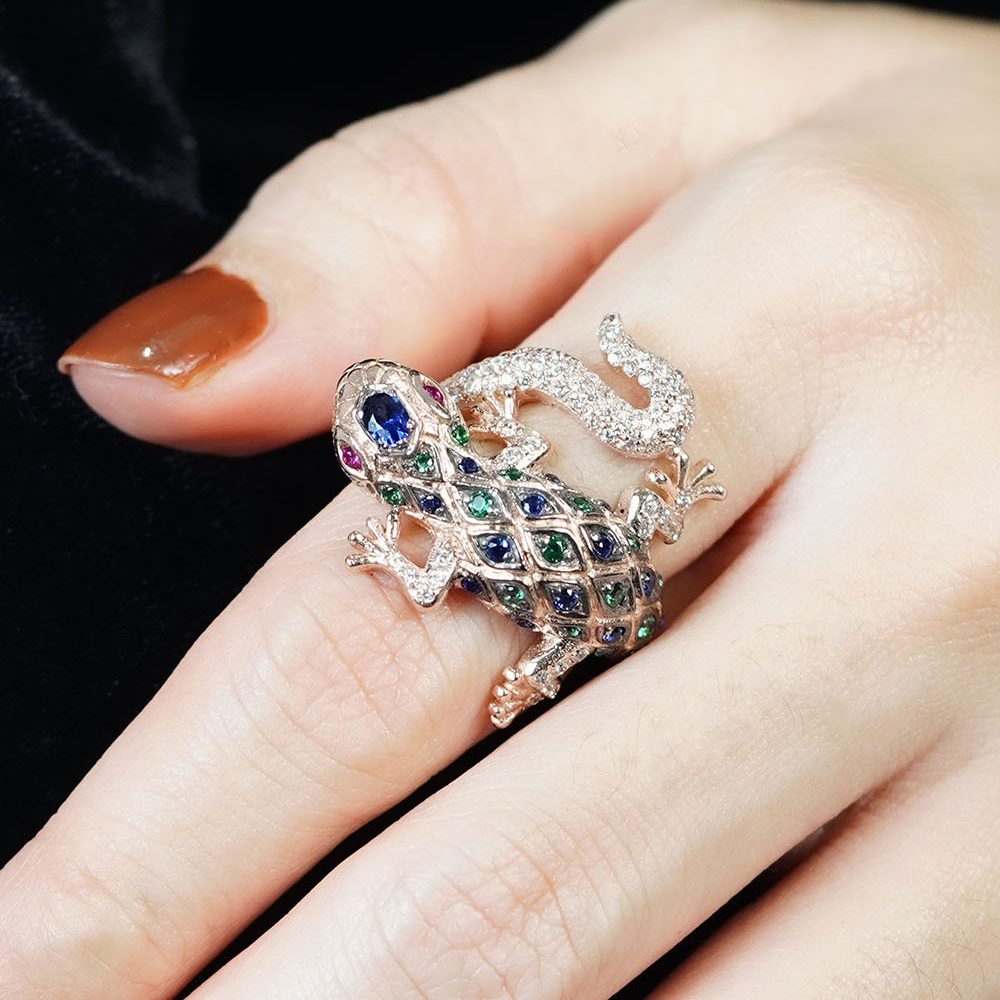
- Look for a scale reference. A ring photographed on a hand, or beside a millimeter rule, tells you the true size. Macro photography makes every stone look large; dimensions in millimeters do not lie.
- Read the specification, not the adjectives. “Stunning” and “rare” are marketing; carat weight, measurements, metal fineness, grading figures, and treatment disclosure are facts. Buy on the second set.
- Cross-check the images against the report. The stone in the photographs should match the shape, proportions, and measurements on its grading report.
When a seller is happy to send extra photographs, a video, or an image in natural light on request, that willingness is itself a good sign. A refusal, or only ever the same single image, is not.
A Checklist for Buying Jewelry Online Safely
Before you enter your card details, run the piece and the seller through this order. Buying jewelry online safely is mostly a matter of doing these in sequence rather than skipping to checkout. Done in order, they let you buy jewelry online with the same confidence you would have at a counter.
- Confirm the seller is real — address, contact details, trading history, independent reviews.
- Ask about treatments — and get the answer in writing.
- Read the return policy — window, insured return, and whether a made-to-order piece is returnable.
- Check shipping — insured, tracked, signature required, both ways.
- Confirm the timeline — especially for made-to-order work, in line with the FTC delivery rule.
- Pay by credit card — for the billing-dispute right.
- Keep the records — report, invoice, appraisal, and correspondence, stored with the piece.
How Does Lilly M. JEWELERS Handle Online Orders?
We mention our own practice here not as a sales pitch but because it is a concrete example of what the checklist above looks like in operation. Lilly M. JEWELERS is a made-to-order and bespoke workshop, established in 2005, and every piece is a natural gemstone set in solid gold, with treatments disclosed.
In practice that means a stated timeline before any deposit, because a piece is built to order over a number of weeks rather than pulled from a shelf; a published return policy and guarantee; insured shipping; and aftercare — sizing, repair, and setting checks — because we expect to maintain the pieces we make across a lifetime of wear. Because the work is made to order, the specification is agreed in detail before anything is cut, which is the online equivalent of trying a piece at the counter.
Every piece is newly made and antique-inspired — drawing on Art Deco and Edwardian design — and it is never described as an antique, an estate piece, or a period original. That distinction is exactly the kind of honest language the checklist tells you to look for.
Related: Bespoke & Personalization · Support & FAQ
What Should You Remember About Buying Jewelry Online?
Buying jewelry online is as safe as the seller you choose, and the work of buying safely is the work of turning an anonymous listing into an accountable transaction. Confirm the seller is a real, contactable business; insist on an independent grading report and verify it yourself through the laboratory; and read the return, shipping, and warranty terms before you pay rather than after.
Lean on the protections you already have. The FTC’s delivery rule entitles you to a stated shipping timeline and a full refund if it is not met, and paying by credit card gives you a billing-dispute right that no seller can take away. Both exist precisely for the moment a purchase goes wrong, and both are forfeited quietly if you pay by an untraceable method or skip the fine print.
Treat the red flags as a single principle rather than a list: safety is accountability, and every warning sign is a place where accountability has gone missing. A seller who names the maker, discloses the treatment, states the timeline, and stands behind a return has given you everything that buying safely requires — and a beautiful piece, chosen without a showroom, is the reward for asking.
Sources: FTC — Selling on the Internet: Prompt Delivery Rules · FTC Consumer Advice — Billed for Things You Never Got · GIA — Verifying a Grading Report with Report Check
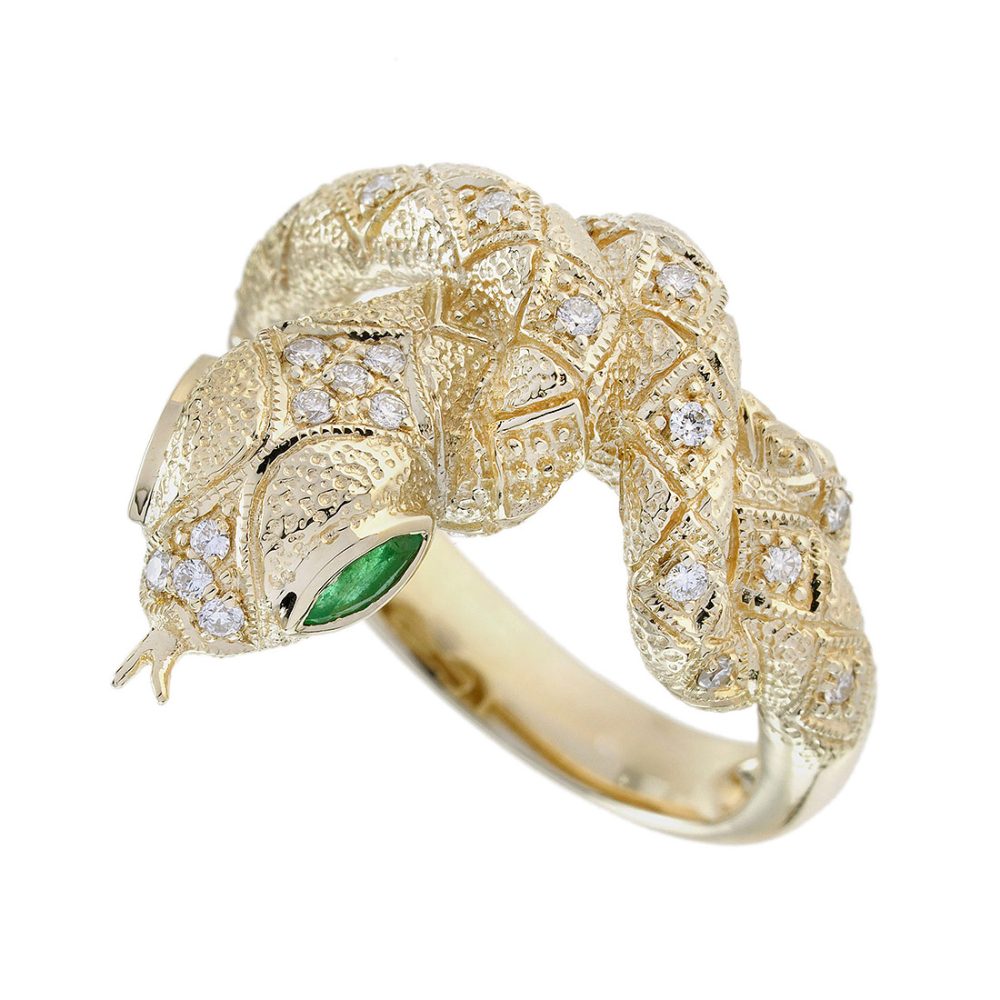
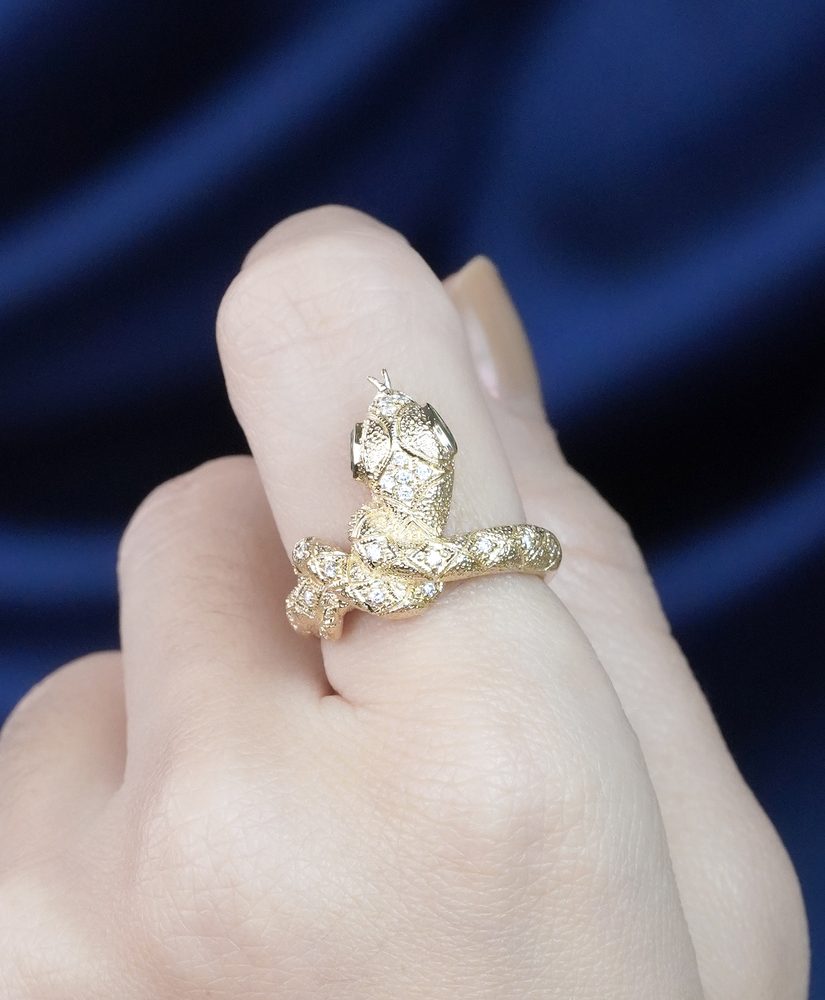
The Art of the Wild
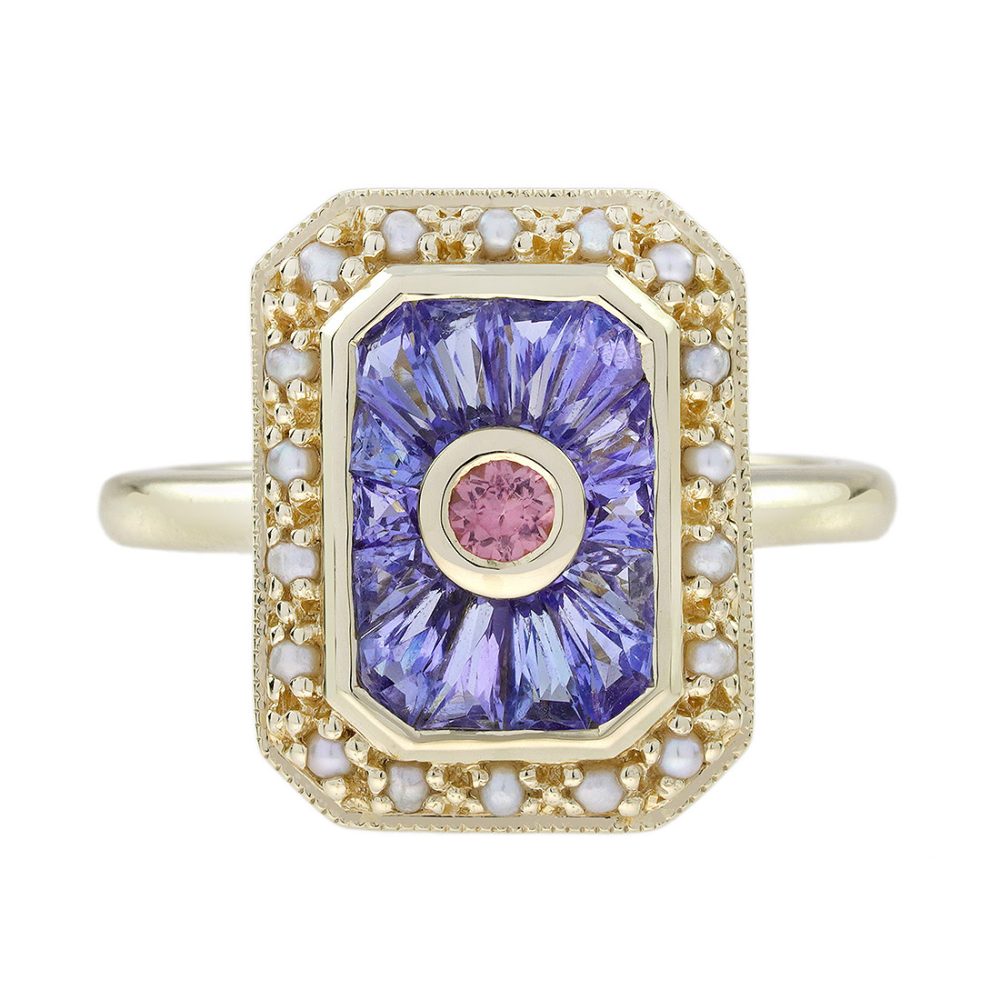
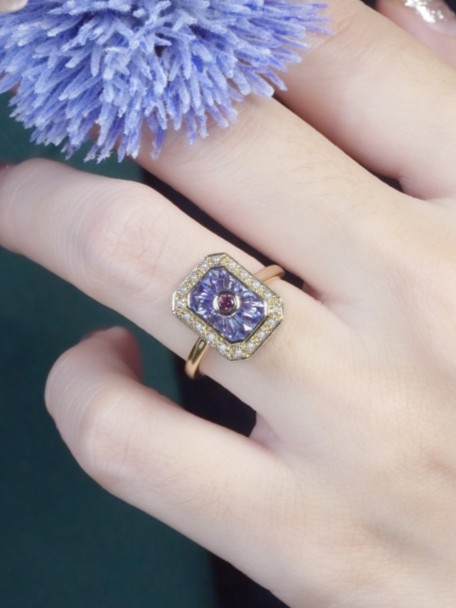
Stud Earrings
Frequently Asked Questions About Buying Jewelry Online
Is buying jewelry online safe?
Yes, when the seller is verifiable. The risk is not the internet but anonymity, so buy from a business with a real address and contact details, insist on an independent grading report you can verify, pay by credit card, and read the return and shipping policy before you order. Done that way, buying jewelry online is as safe as buying at a counter.
How do I verify a diamond’s report when buying online?
Use the grading laboratory’s own lookup. For a GIA report, GIA’s Report Check service lets you enter the report number and confirm the carat, color, clarity, and cut on the page match GIA’s database. A seller’s photograph of a report is not proof — the verification is the online lookup against the lab’s records. If a stone has no independent report, treat that as a reason for caution.
What is the safest way to pay for jewelry online?
A credit card. It carries a billing-dispute right — if you are billed for something you never received, you can dispute the charge with your card issuer, as the FTC advises. Bank transfers, wire, cryptocurrency, and gift cards carry no such protection, so a seller who accepts only those methods is a warning sign rather than a convenience.
What should the return and shipping policy include?
A return window long enough to receive, inspect, and if needed appraise the piece, with clear instructions for insured return; shipping that is insured, tracked, and requires a signature both ways; and a stated warranty covering sizing, repair, and setting checks. Note that made-to-order and bespoke pieces are often non-returnable, so agree the specification in detail before the work begins.
What are the red flags of an unsafe jewelry website?
A price too good to be true; no physical address, phone, or company details; no independent report, or one you cannot verify with the lab; payment steered to bank transfer, crypto, or gift cards; pressure tactics and false scarcity; no secure HTTPS checkout; and loose or unlawful language such as calling newly made pieces “antique.” Each is a place where accountability is missing.