
Blog, Care & How-to
How to Care for Pearls, Opals & Delicate Gemstones

Key Takeaways: How to Care for Delicate Gemstones
- How to care for delicate gemstones comes down to one idea — pearls, opals, turquoise, amber, coral, and emerald are all softer, more porous, or more water-sensitive than diamond and sapphire, so the normal cleaning and storage rules do not apply to them.
- Pearls and opals both contain water as part of their structure, so their main enemy is drying out and harsh chemicals, not just scratching.
- Never use an ultrasonic or steam cleaner on these stones. Both are safe for diamond and sapphire but can crack, cloud, or damage every gemstone covered in this guide.
- Put jewelry on last, take it off first. Perfume, lotion, and hairspray applied after a piece is already on are a common, avoidable cause of damage to porous and organic stones.
- We set these stones because of what hard gemstones cannot offer — a pearl’s luster, an opal’s play of color — and the extra care they need is the cost of that beauty, not a flaw in the stone.
Why Do Pearls, Opals, and Other Gemstones Need Special Care?
How to care for delicate gemstones starts with understanding why they are different: pearls, opals, turquoise, amber, coral, and emerald sit lower on the Mohs hardness scale than diamond or sapphire, several of them are porous, and pearls and opals specifically contain water as part of their own structure. That combination means the cleaning methods, storage habits, and even the order you put jewelry on in can matter more for these stones than for a diamond. Think of this guide as a dedicated soft gemstone care reference, built specifically for the materials that the usual jewelry-cleaning advice does not safely cover.
Delicate Gemstone Care at a Glance
| Stone | Mohs hardness | Main risk | Care rule |
|---|---|---|---|
| Pearl | 2.5–4.5 | Drying out, acid/chemical damage to the surface | Wipe after wear; no ultrasonic; put on last |
| Opal | 5.5–6.5 | Crazing (surface cracking) from dehydration or heat | Avoid heat and prolonged dryness; no ultrasonic |
| Turquoise | 5–6 | Porous; absorbs oils, lotion, and perfume, changing color | Avoid all cosmetics contact; wipe only, no soaking |
| Amber | 2–2.5 | Scratches and softens with heat; dissolves in some solvents | Warm water only, no ultrasonic, keep from heat |
| Coral | 3–4 | Porous and acid-sensitive; etches from skin oils/perfume over time | Wipe only; avoid acids and prolonged cosmetics contact |
| Emerald | 7.5–8 | Included and often oil-filled; ultrasonic can release the oil | Warm water and a soft cloth only; no ultrasonic/steam |
How Do You Care for Pearls?
Pearls are organic, formed in layers around a nucleus inside a mollusk, and they contain a small amount of water as part of that layered structure. Heat, very dry air, and harsh chemicals can all draw moisture out over time, which is why pearls dull, crack, or develop a chalky surface faster than a mineral gemstone would under the same conditions.
The core rule for how to care for pearls specifically: put them on last, after perfume, hairspray, and lotion have already been applied and had a moment to settle, and take them off first, before washing up or showering. Wipe the strand with a soft, slightly damp cloth after wearing to remove any residue, and never clean pearls in an ultrasonic cleaner, since the vibration can loosen the nacre layers or weaken the silk thread a strand is typically knotted on.
A strand worn often tends to stay healthier than one left in a drawer for years, since the oils from skin keep the silk pliable and regular wear encourages the gentle wiping habit that pearl and opal care both depend on. A strand that sits unworn and unchecked for a long stretch is more likely to need restringing when it finally comes back out, which is one more reason how to care for delicate gemstones includes wearing them, not just storing them carefully.
Related: Pearl Meaning
How Do You Care for Opals?
Opals contain a meaningful percentage of water locked within their silica structure, which is part of what produces their play of color. Losing that water too quickly — from prolonged heat, very dry air, or sudden temperature changes, such as a hot shower followed by cold water — can cause fine surface cracks called crazing, which do not heal or reverse.
Clean an opal with a soft, barely damp cloth, and avoid soaking it or using any ultrasonic or steam cleaner. Opals are also softer than most other gemstones commonly set in jewelry, so they scratch more easily and should be stored separately rather than touching harder stones or metal edges.
Pearl and opal care share this same underlying logic even though the stones are chemically very different: both lose quality by losing water, not by simple wear, so the goal is protecting moisture and avoiding sudden environmental swings rather than just avoiding physical knocks.
How Do You Care for Turquoise, Amber, and Coral?
Turquoise is naturally porous, which means it can absorb oils, lotion, perfume, and even water, sometimes permanently changing its color over time. The safest habit is to avoid all contact with cosmetics and to wipe it clean with a dry or barely damp cloth rather than soaking it.
Amber is fossilized tree resin, soft enough to scratch easily and sensitive to heat, which can soften or distort it, and to some household solvents, which can dissolve its surface. Clean amber with lukewarm water only, dry it immediately, and keep it away from perfume and hairspray.
Coral is also organic and porous like pearl, sharing the same sensitivity to acids and prolonged cosmetics contact; the same wipe-only, chemical-avoidance approach that protects pearls protects coral.
Across all three, the pattern repeats: porous materials absorb what touches them, so prevention — avoiding contact in the first place — matters more than any cleaning method after the fact. This is the part of how to care for delicate gemstones that surprises people most, since the damage usually comes from something ordinary, like daily lotion, rather than from an accident.
Why Should You Avoid Ultrasonic and Steam Cleaners?
Ultrasonic cleaners work by vibrating a liquid bath at high frequency to shake debris loose, and steam cleaners use pressurized heat — both are excellent for diamond and sapphire, which tolerate vibration and heat well. Neither is safe for the stones in this guide. The same vibration that cleans a diamond can crack a brittle, included emerald or loosen pearl nacre; the heat from steam can craze an opal or soften amber; and both can release the oil used to fill an emerald’s natural inclusions, visibly changing its appearance.
Workshop insight: if a cleaning method is not explicitly recommended for a specific soft or porous stone, the safer default is warm water, a drop of mild soap, and a soft brush or cloth — never a machine. This single habit answers most of how to care for delicate gemstones when cleaning is the question, even before considering which specific stone is involved.
Related: Our Guarantee
Can You Clean Delicate Gemstones at Home?
Yes, for routine cleaning. Lukewarm water, a drop of mild dish soap, and a soft cloth or very soft brush handle everyday buildup safely for every stone in this guide, as long as the piece is dried immediately afterward rather than left damp.
What is not safe at home: soaking porous stones like turquoise or coral, using an ultrasonic or steam cleaner on any of them, or using household cleaners that contain ammonia, bleach, or other harsh chemicals. For a piece that looks dull despite gentle cleaning, or for an older piece with unknown treatment history, a professional jeweler familiar with how to care for delicate gemstones is the safer next step rather than trying a stronger home remedy.
A quick way to decide between the two: if a cleaning method requires soaking, heat, vibration, or anything stronger than mild soap and water, it belongs with a professional, not at the kitchen sink.
There is no investment angle to any of this — these cleaning habits exist to keep a piece looking its best for daily wear, not to protect it as a financial asset.
Most people learning how to care for delicate gemstones for the first time are relieved to find the actual routine is shorter than the list of warnings suggests: gentle cleaning, careful sequencing around cosmetics, and separate storage cover the large majority of situations.
How Should You Store and Wear These Stones?
Storage follows the same logic as cleaning: separate each piece so harder stones and metal edges cannot scratch a softer one, and keep pearls, opals, and other organic or porous stones somewhere with stable, moderate humidity rather than a sealed-dry safe or a hot, sunny shelf. A soft pouch or a lined compartment, used individually per piece, works well for all of the stones in this guide.
Wearing habits matter as much as storage. Caring for pearls and opals day to day is mostly a matter of sequence: jewelry goes on last, after getting dressed and finishing hair and makeup, and comes off first, before washing hands, showering, or applying more lotion. The same sequence protects turquoise, amber, and coral from the cosmetics and chemicals that cause most of their damage.
Daily-wear pieces in these stones also benefit from an occasional check by a jeweler, since a porous or organic stone can show subtle changes — a slightly duller pearl, a faint crack starting in an opal — before they become obvious, and catching them early usually means a simpler fix. Between those checks, how to care for delicate gemstones day to day is really just the storage and sequencing habits above, repeated consistently.
What Mistakes Damage Delicate Gemstones Most Often?
A short list covers most of the avoidable damage jewelers see with these stones:
- Applying perfume, hairspray, or lotion after the jewelry is already on, rather than before, so the chemicals land directly on a porous or organic stone.
- Using an ultrasonic or steam cleaner on any pearl, opal, turquoise, amber, coral, or emerald piece.
- Wearing these stones into a pool, hot tub, or shower, exposing them to chlorine and prolonged water contact.
- Leaving a piece in direct sunlight or near a heat source, which accelerates moisture loss in pearls and opals specifically.
- Storing a soft stone touching harder gemstones or metal edges, which scratches the softer stone over time.
None of these mistakes are about the stone being fragile in a bad sense — they are simply the specific conditions each material cannot tolerate, the same way any material has conditions it is not built for. Learning how to care for delicate gemstones once, as a short set of habits, prevents nearly all of the damage jewelers otherwise see brought in for repair.
What Should You Remember About Caring for Delicate Gemstones?
How to care for delicate gemstones comes down to recognizing that pearls, opals, turquoise, amber, coral, and emerald are not weaker versions of diamond and sapphire — they simply respond to water, heat, chemicals, and vibration differently, and the care routine has to match. Put jewelry on last and take it off first, clean gently with warm water and a soft cloth, never use an ultrasonic or steam cleaner, and store these stones separately from harder gemstones and metal edges.
We set natural pearls, opals, and gemstones in solid gold and platinum because of what they offer that a harder stone cannot, and the small routine this guide describes is what keeps that beauty intact across years of wear. Treat this soft gemstone care routine as a short habit rather than a long list to memorize, and these pieces will hold up for decades the same way a well-cared-for diamond or sapphire does.
Sources: GIA — Pearl Care and Cleaning · GIA — Opal Care Guidance

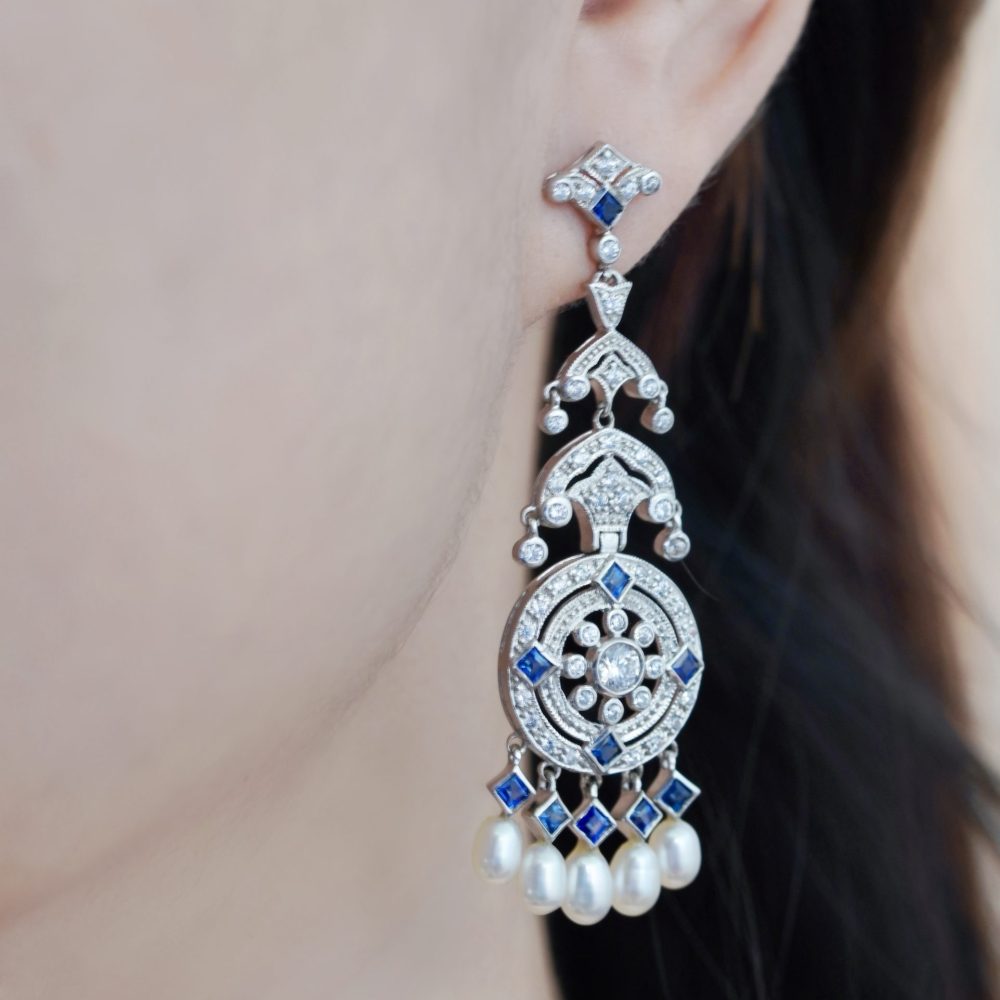

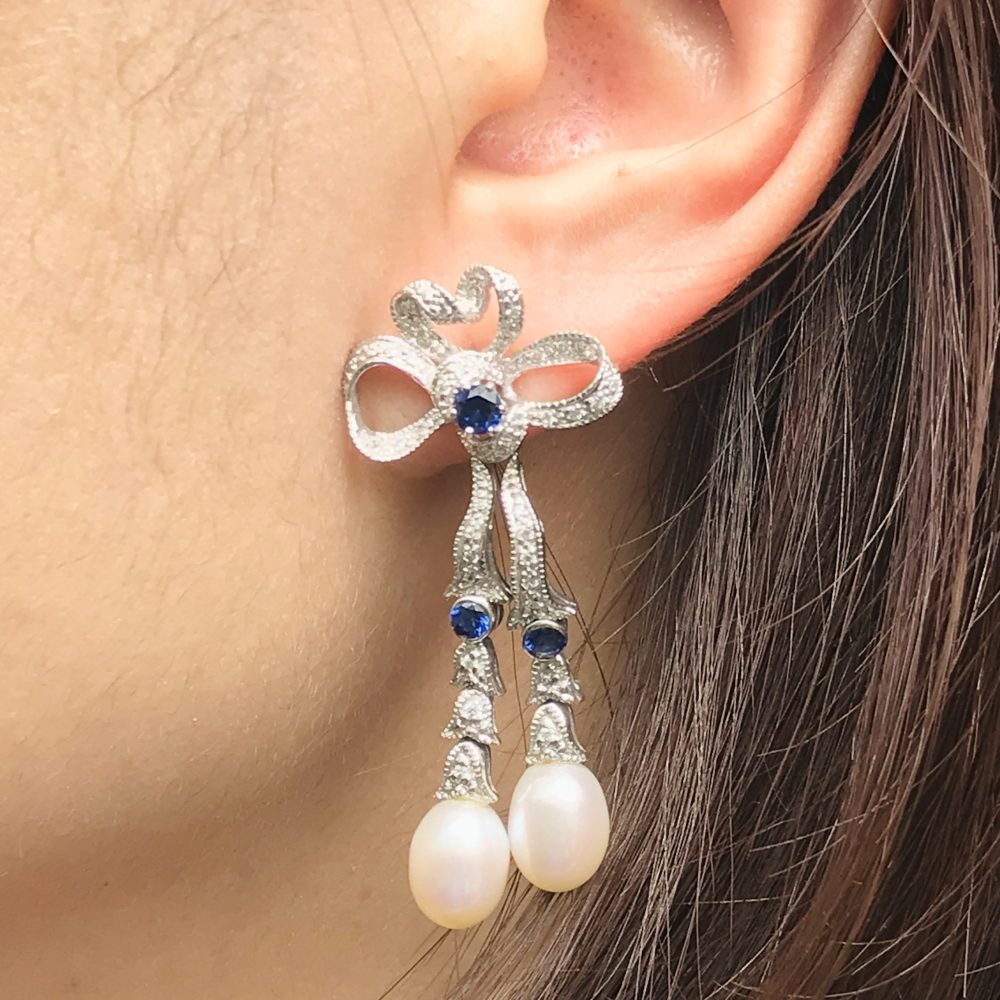
Drop Earrings
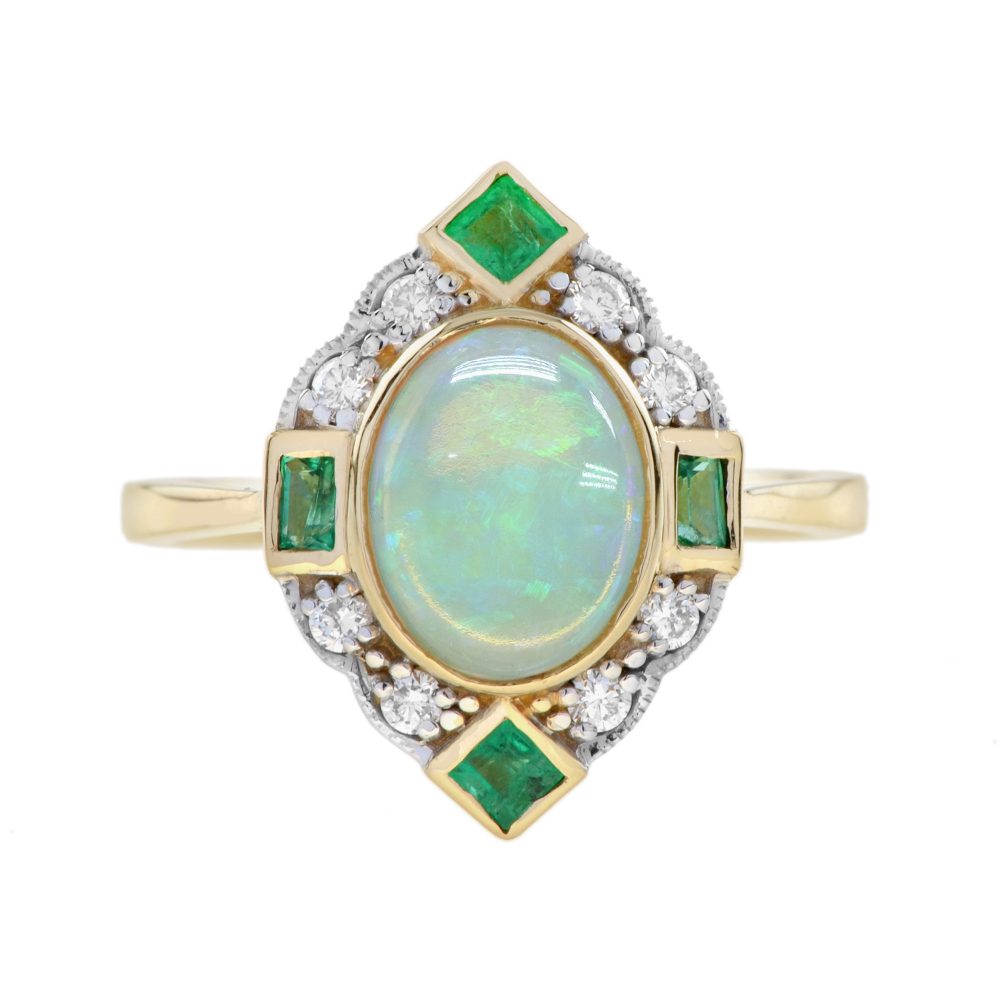
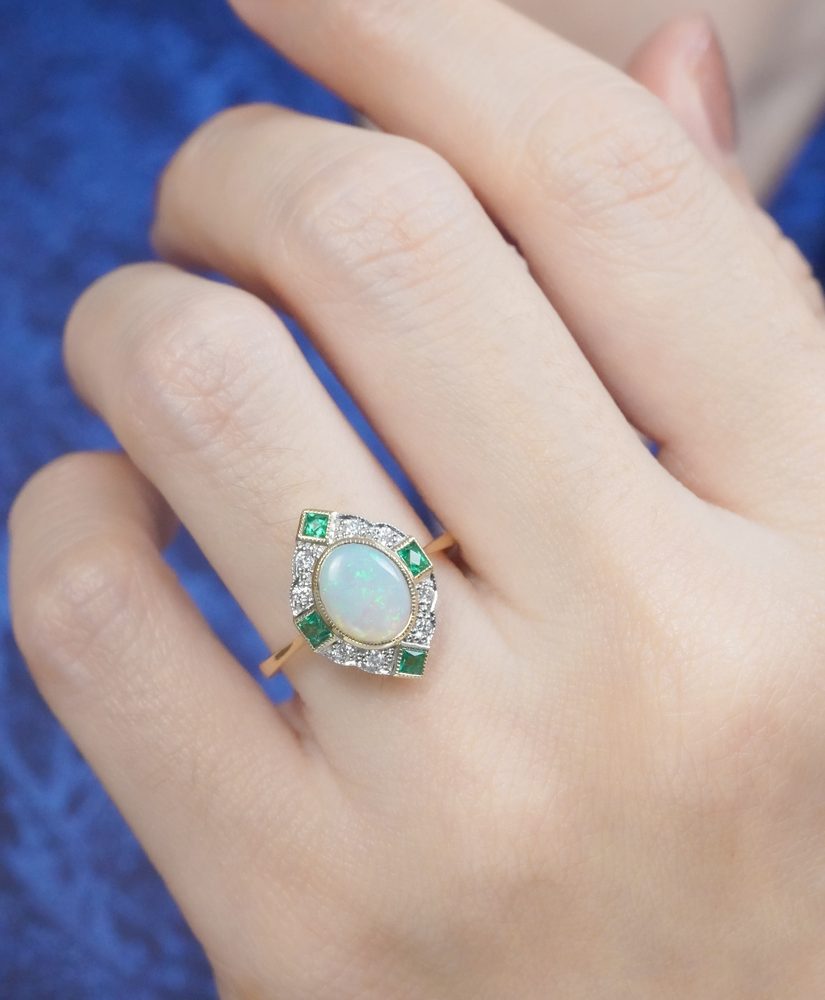
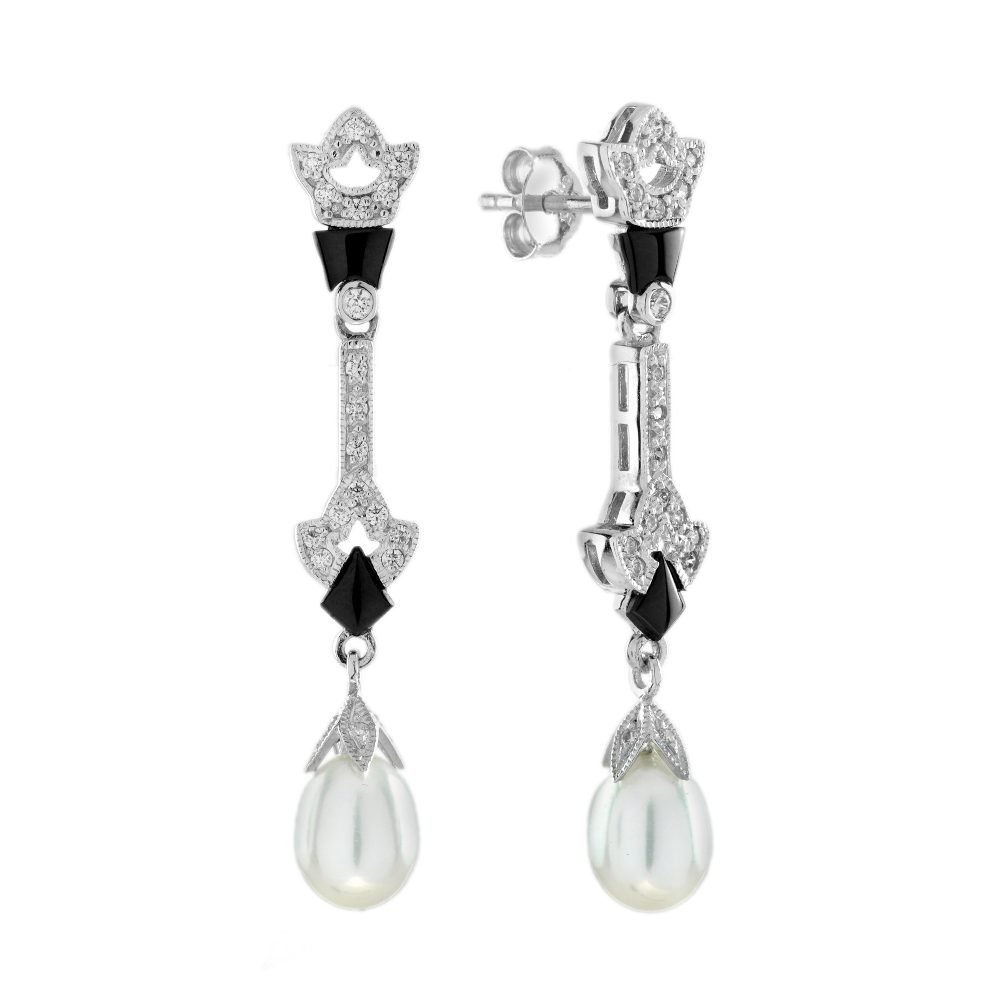

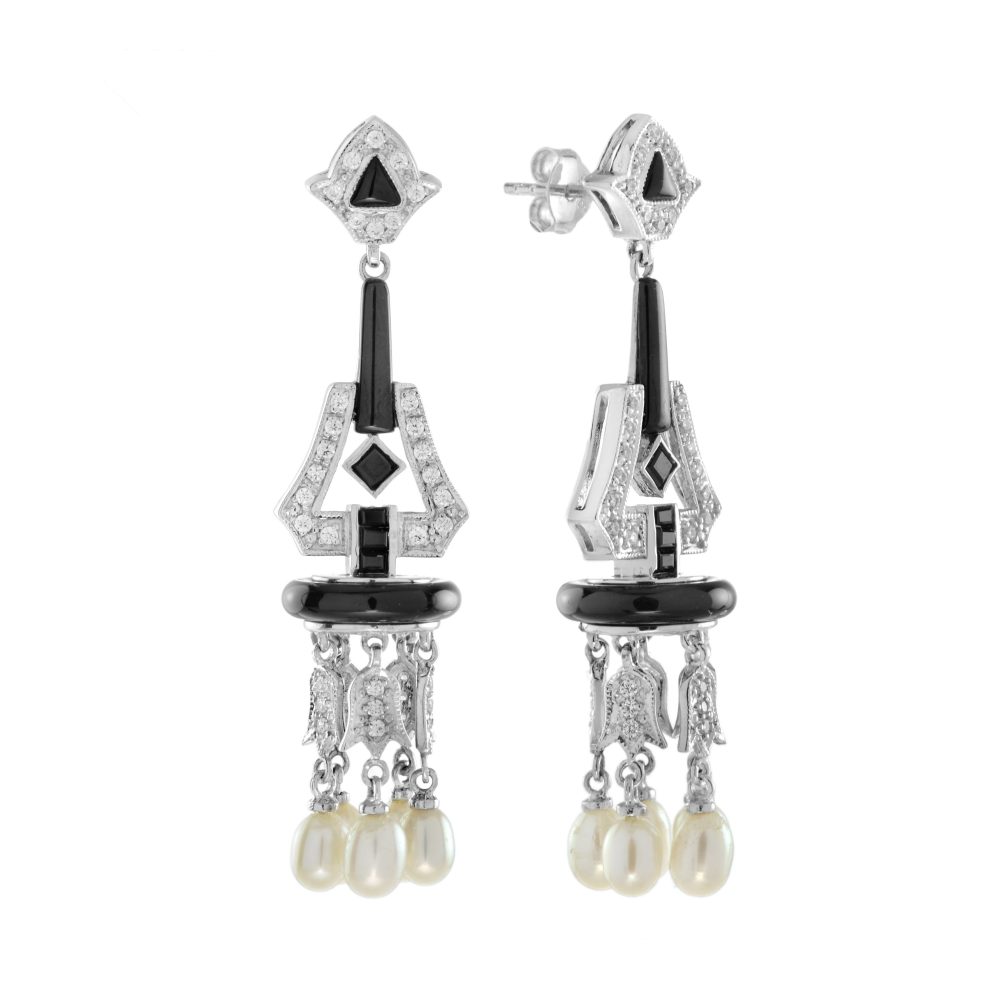

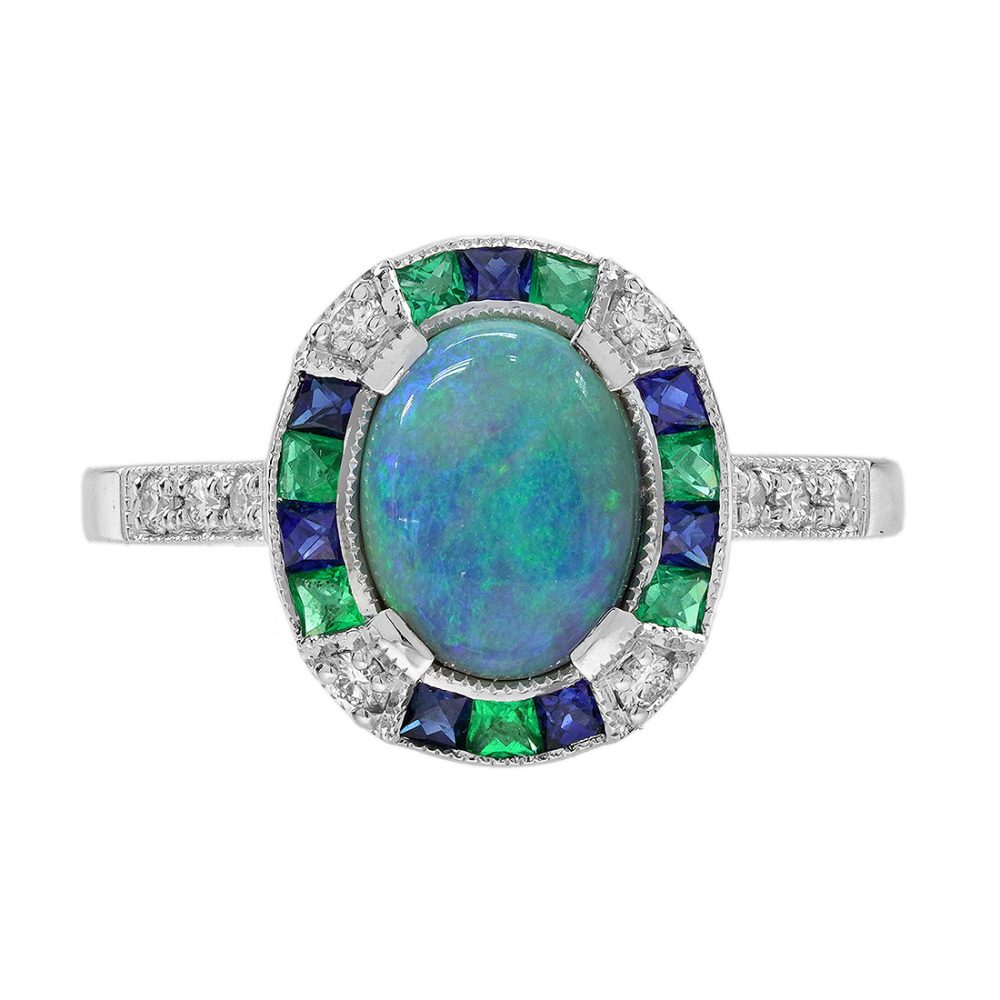
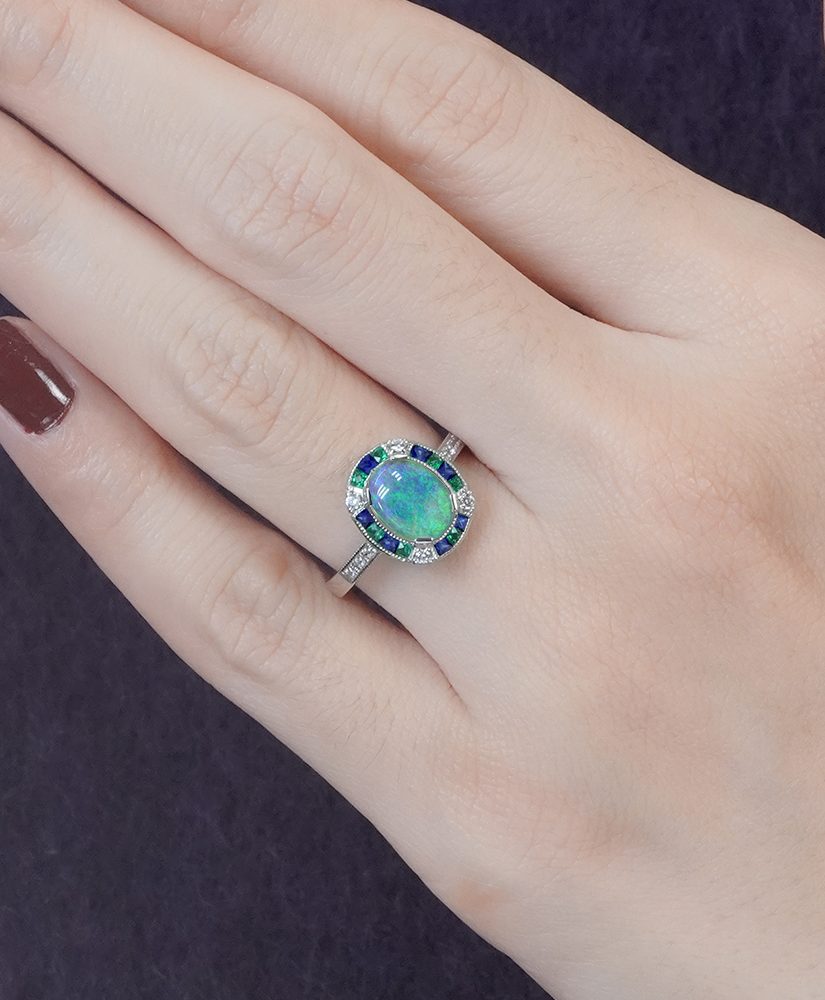

Dangle Earrings
Frequently Asked Questions: Caring for Pearls, Opals & Delicate Gemstones
Is it safe for pearls to get wet?
Brief contact with clean water is not harmful, but prolonged soaking, chlorine, and saltwater should be avoided, and pearls should always be dried gently with a soft cloth afterward rather than left damp. Chemicals in the water matter more than the water itself.
Why did my opal develop small cracks?
This is called crazing, and it happens when an opal loses water from its structure too quickly, usually from prolonged heat, very dry air, or a sudden temperature change. It cannot be reversed, which is why avoiding heat and dryness in the first place matters more than any after-the-fact fix.
Can I use an ultrasonic cleaner on pearls or opals?
No. Ultrasonic cleaners are safe for diamond and sapphire but can crack opals and loosen the nacre layers or weaken the thread on pearls. Warm water, mild soap, and a soft cloth are the safer choice for every stone covered in this guide.
Why does turquoise sometimes change color?
Turquoise is naturally porous and can absorb oils, lotion, and perfume, which can gradually alter its color over time. Avoiding contact with cosmetics and wiping the stone clean rather than soaking it helps prevent this.
Why should an emerald not be cleaned the same way as a diamond?
Most emeralds are oil-filled, a standard, disclosable treatment that fills naturally occurring inclusions. An ultrasonic or steam cleaner can release that oil and make the inclusions more visible, so emeralds should be cleaned only with warm water and a soft cloth.