Blog, Buying Guides
How Much Should You Spend on an Engagement Ring?

Key Takeaways: How Much to Spend on an Engagement Ring
- There is no rule for how much to spend on an engagement ring. The “three months’ salary” figure is not a financial principle — it is a De Beers advertising line, and both The Knot and Fidelity say plainly that no one needs to follow it.
- The real average is about $5,200. The Knot’s 2024 study puts the average engagement ring at $5,200, down from $6,000 in 2021, with nearly two-thirds of couples spending under $6,000 and a third under $3,000.
- Budget first, then design to it. The sound financial order is to decide what you can comfortably spend from savings, then choose the ring — not to let a percentage of income set the number for you.
- What drives the price is mostly the center stone. Carat weight rises steeply in price, so small choices — a fraction under a round carat weight, a colored stone, a different metal — change the total far more than most buyers expect.
- A made-to-order model works in your favor here. Because our pieces are built to order in natural stones and solid gold, the budget can lead the design rather than the other way around.
How Much Should You Spend on an Engagement Ring?
Spend what you can comfortably afford from savings, with no debt and no fixed percentage of income. The often-quoted “three months’ salary” rule is a marketing invention, not financial advice. In practice, couples average about $5,200 and most spend under $6,000 — but the right number is the one that fits your finances.
Engagement Ring Spend at a Glance
| Budget band | Where couples fall (The Knot, 2024) | What it typically supports |
|---|---|---|
| Under $3,000 | About one-third of couples | A smaller natural diamond, or a colored-stone center such as sapphire, set in solid gold |
| $3,000–$6,000 | The band around the $5,200 average; about two-thirds spend under $6,000 in total | A well-cut diamond in the common one-carat conversation, traded off against color and clarity |
| $6,000–$15,000 | Roughly a quarter of couples | A larger or higher-grade center stone, or a more elaborate handmade setting |
| Over $15,000 | About 5% of couples | A premium center stone, bespoke design, or both |
Is There a Rule for How Much to Spend on an Engagement Ring?
No, and the most famous “rule” deserves to be named for what it is. The idea that how much to spend on an engagement ring should equal one, two, or three months’ salary did not come from any financial authority. It came from an advertising campaign. As Fidelity puts it, a diamond company “set the price point for an engagement ring at 3 months’ salary as part of a marketing campaign,” and that line, in Fidelity’s words, “became a widely shared guideline” that still circulates today even though no one needs to follow it.
The Knot is equally direct, calling the benchmark “just marketing” and advising couples not to “let this myth dictate your budget.” Two of the most-cited voices in personal finance and in wedding planning agree on the same point: there is no set figure, and the percentage-of-salary framing exists to sell diamonds, not to protect your finances.
What replaces the rule is a simple principle that a financial institution will endorse and a marketing department never would: an engagement ring is a purchase, and it should be sized to what you can comfortably afford. Fidelity’s own caution is worth quoting, because it is the opposite of the salary rule: “Spending more than you can afford on a ring might seem like a romantic gesture, but hurting your financial future is not the stuff of great love stories.”
What Do Couples Actually Spend?
Real data is far more useful than a marketing slogan, and it tells a consistent story. According to The Knot’s 2024 Jewelry & Engagement Study, the average engagement ring cost about $5,200 — down from $6,000 in 2021. More revealing than the average is the spread, because it shows how wide the range of normal really is.
| Spending level | Share of couples (The Knot, 2024) |
|---|---|
| Under $3,000 | About one-third (33%) |
| Under $6,000 | Nearly two-thirds (64%) |
| $10,000–$14,999 | About 8% |
| $15,000 or more | About 5% |
Two conclusions follow. First, the average is not the target — it is the middle of a very broad distribution, and a third of couples deliberately spend well below it. Second, spending has drifted down, not up, since 2021, which is the opposite of what the salary rule would predict. Where you live shifts the figure too: Fidelity notes couples in the Mid-Atlantic averaged about $6,900 while Midwest couples averaged about $4,900. The honest reading is that almost any figure within this range is entirely normal.
What Actually Drives the Price of an Engagement Ring?
Most of the number is the center stone, and within the stone, one factor moves the price more than any other: carat weight. Price does not rise in a straight line with size — it steps up sharply at each round weight, because large, high-quality rough is disproportionately rare. Understanding where the money goes is what lets you spend it deliberately.
| Cost driver | How much it moves the price | What to do about it |
|---|---|---|
| Carat weight | The largest lever, and non-linear — the jump from just under to exactly one carat is steep | Buy fractionally under a round weight; a 0.90 ct reads almost identically to a 1.00 ct at a lower price |
| The other three Cs | Cut, color, and clarity together set a wide price band at any given carat | Prioritize cut, then accept a slightly lower color or an eye-clean clarity grade rather than a flawless one |
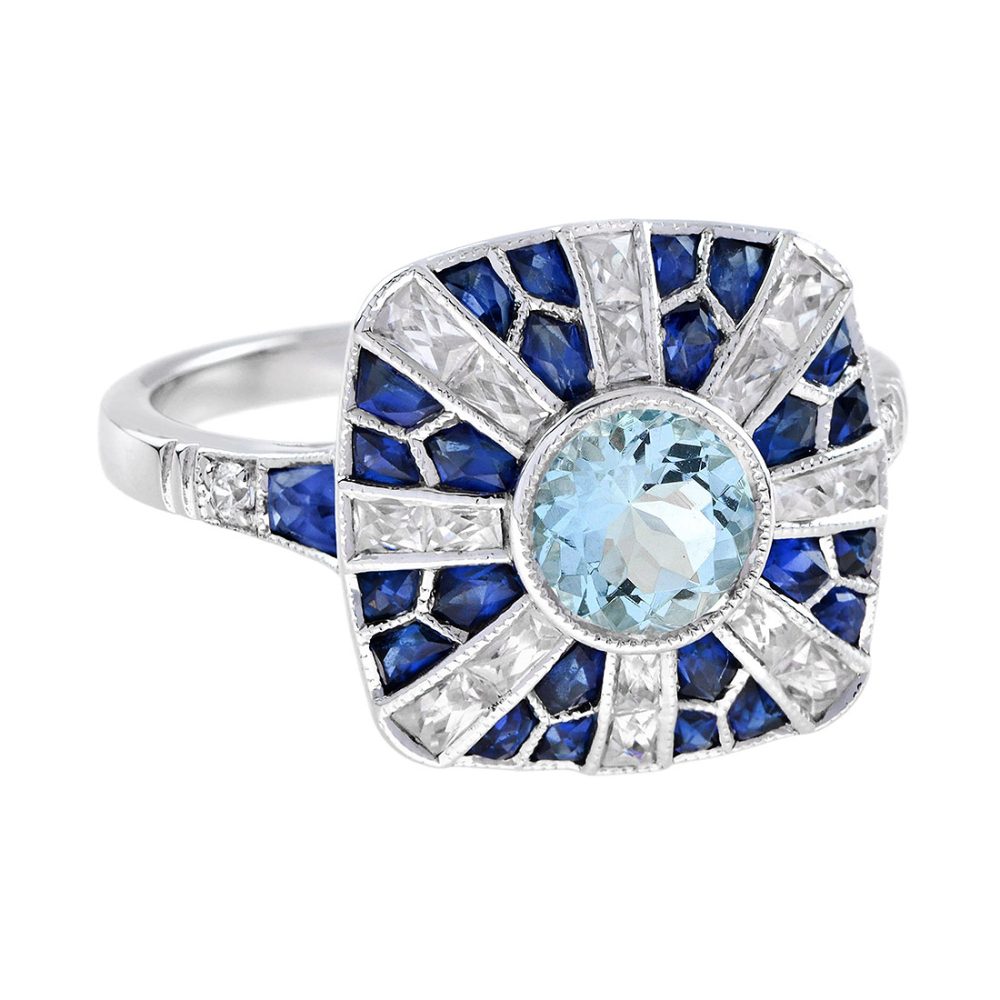
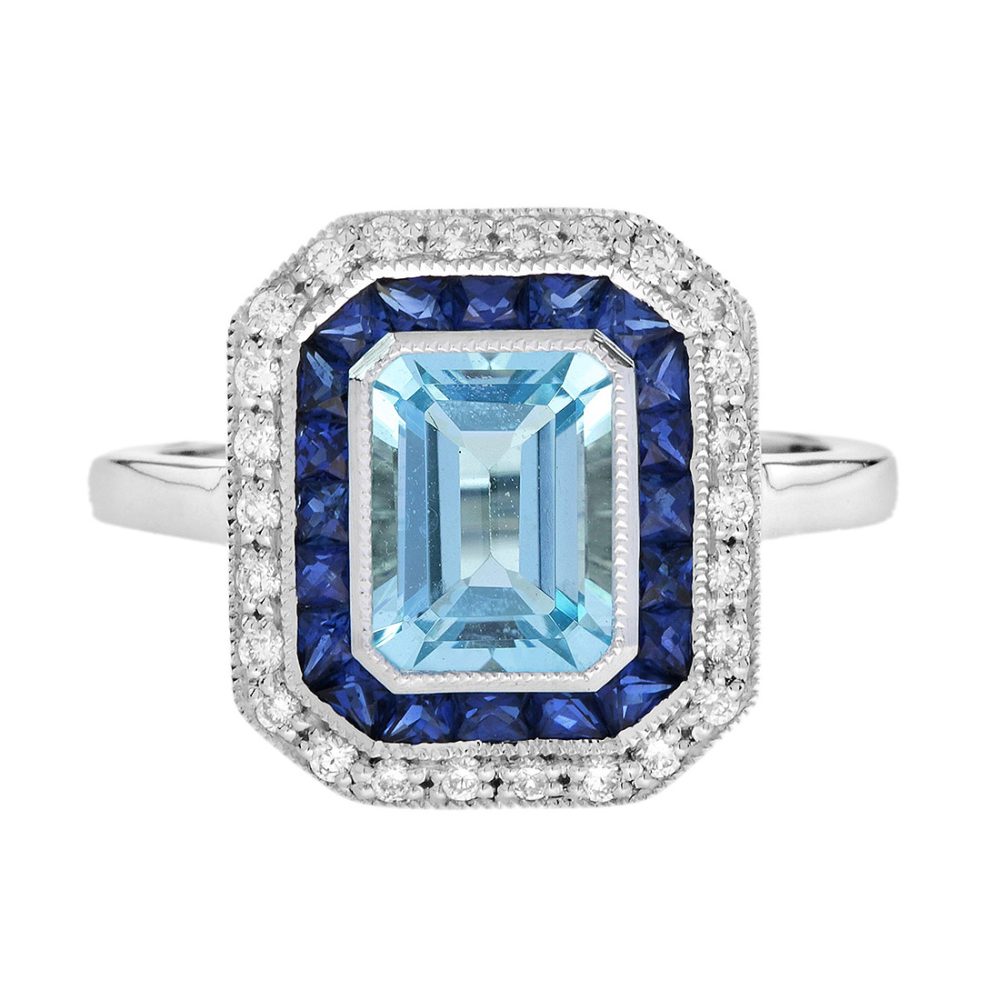
| Stone type | Substantial — a colored gemstone center often costs less than a diamond of the same size | Consider a sapphire or other natural colored stone for more size and color per dollar |
| Metal and setting | Smaller, but real — platinum costs more than gold, and intricate handwork adds labor | Solid gold in 14K or 18K gives the look with less metal cost; choose complexity where it shows |
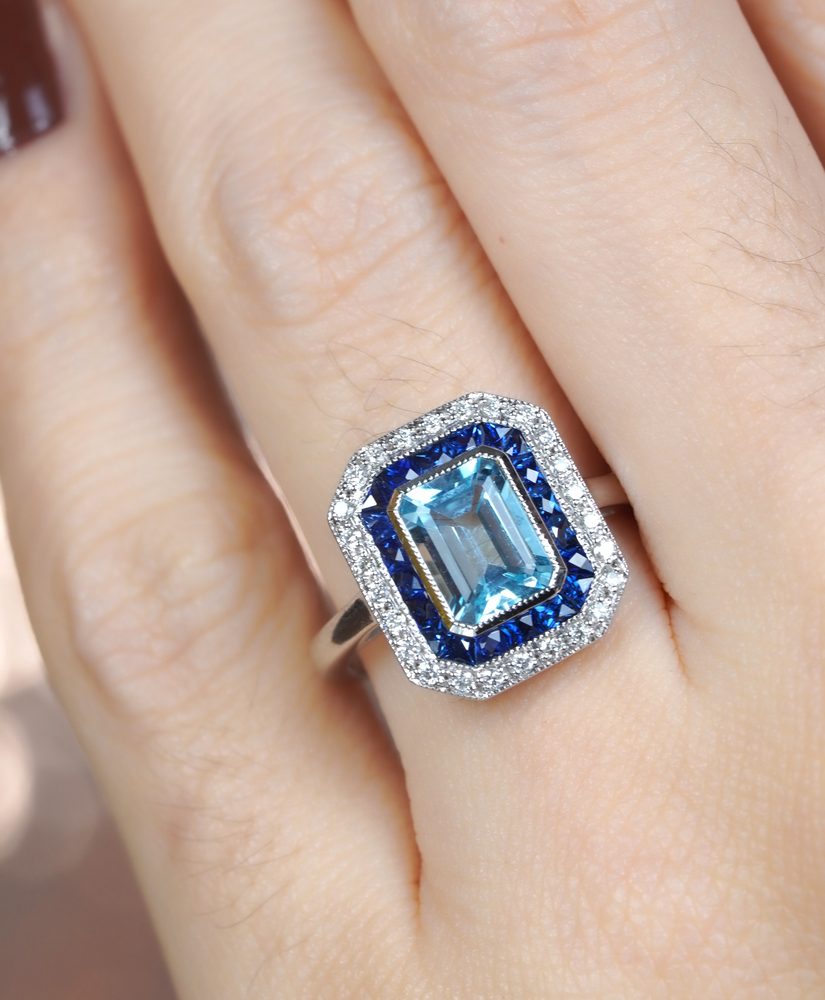
| Side stones | Moderate — a halo or pavé band adds diamond weight and setting labor | A halo makes a smaller center look larger, and can be the cheaper route to visual size |
Workshop insight: The single most effective budget move we see is buying just under a round carat weight. The market prices a one-carat stone at a premium precisely because “one carat” is what people ask for; a 0.90 to 0.95 ct stone of the same cut, color, and clarity looks all but identical face-up and can cost meaningfully less. We would rather put that saving into cut quality, which is what actually makes a stone bright, than into a number engraved on a report.
How Do You Set a Budget That Fits You?
Deciding how much to spend on an engagement ring is a budgeting exercise, and it runs best in the order a financial planner would use rather than the order a jeweler’s window suggests.
- Start from savings, not income. Fidelity’s guidance is to pay with money already saved plus what you can reasonably add before you buy — not to borrow against a future salary. The ring should not create debt.
- Set the number before you shop. A firm figure decided in advance is the best defense against the steady upward nudge of showroom comparisons, where the next stone up always looks worth it.
- Weigh it against your real goals. A wedding, a home deposit, and an emergency fund are competing claims on the same savings. The ring is one line in that budget, not a category exempt from it.
- Leave room for the rest. Sizing, insurance, and a wedding band are real additional costs. Budgeting the entire figure into the center stone leaves nothing for the pieces that make the ring wearable and protected.
- Then design to the number. Once the figure is fixed, it becomes a brief, not a constraint — the specification of stone, metal, and setting is chosen to meet it.
Workshop insight: A made-to-order commission suits this order of operations exactly. When a client comes to us with a figure rather than a fixed stone, we can move every variable — carat, colored stone versus diamond, metal, side stones — to build the best possible ring at that number. It is a very different exercise from choosing among finished pieces in a case, where the price is set and the only decision is whether to stretch.
Related: Bespoke & Personalization
How Can You Get More Ring for Your Budget?
Every lever that drives the price can be worked in the other direction, and none of them requires a smaller-looking ring. These are the moves that recover the most for the least visible compromise.
- Buy just under a round carat weight. The most reliable saving, for the reason set out above — the premium sits on the round number, not on the appearance.
- Choose cut first, then relax color and clarity. Cut is what makes a diamond bright; a well-cut stone one grade down in color, or eye-clean rather than flawless, looks better than a poorly cut stone with a higher grade and costs less.
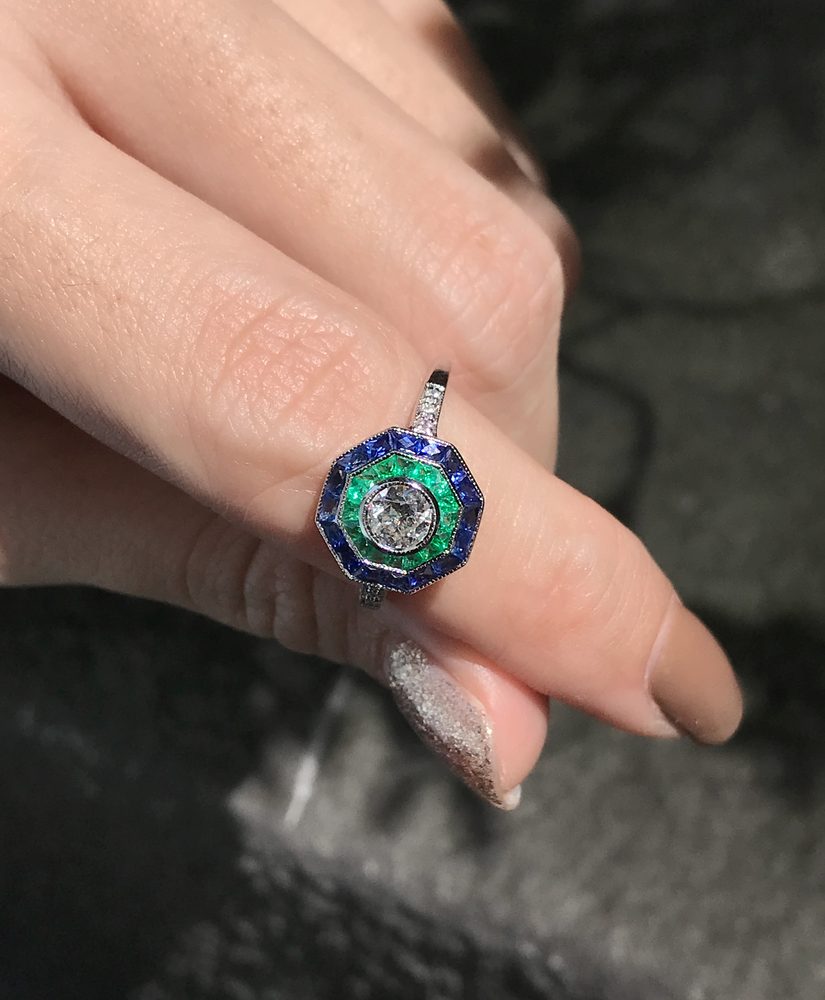
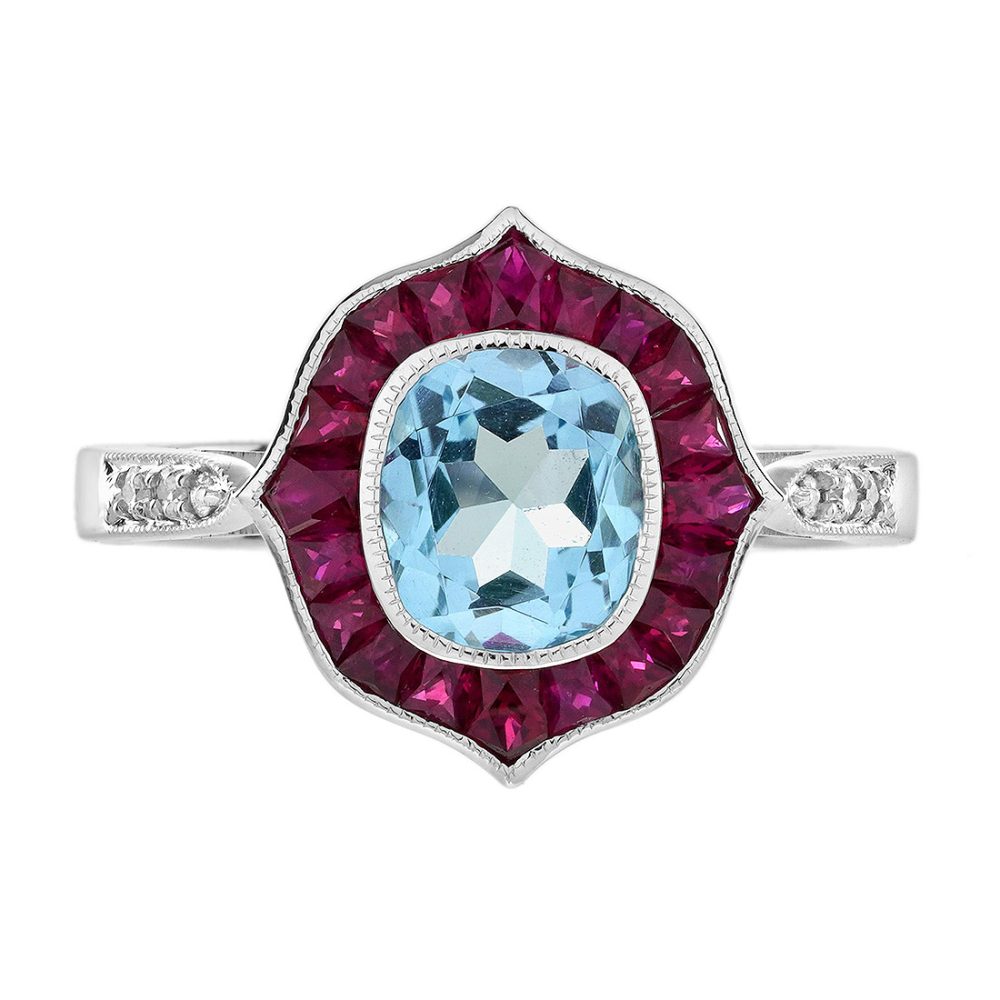
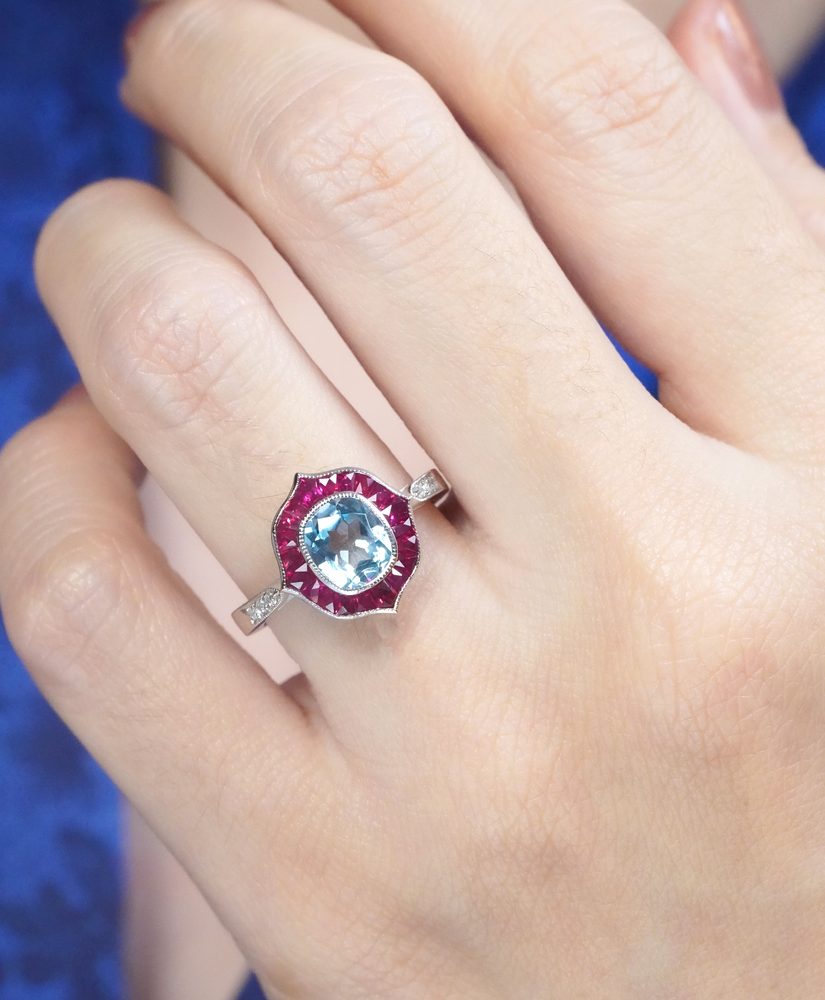
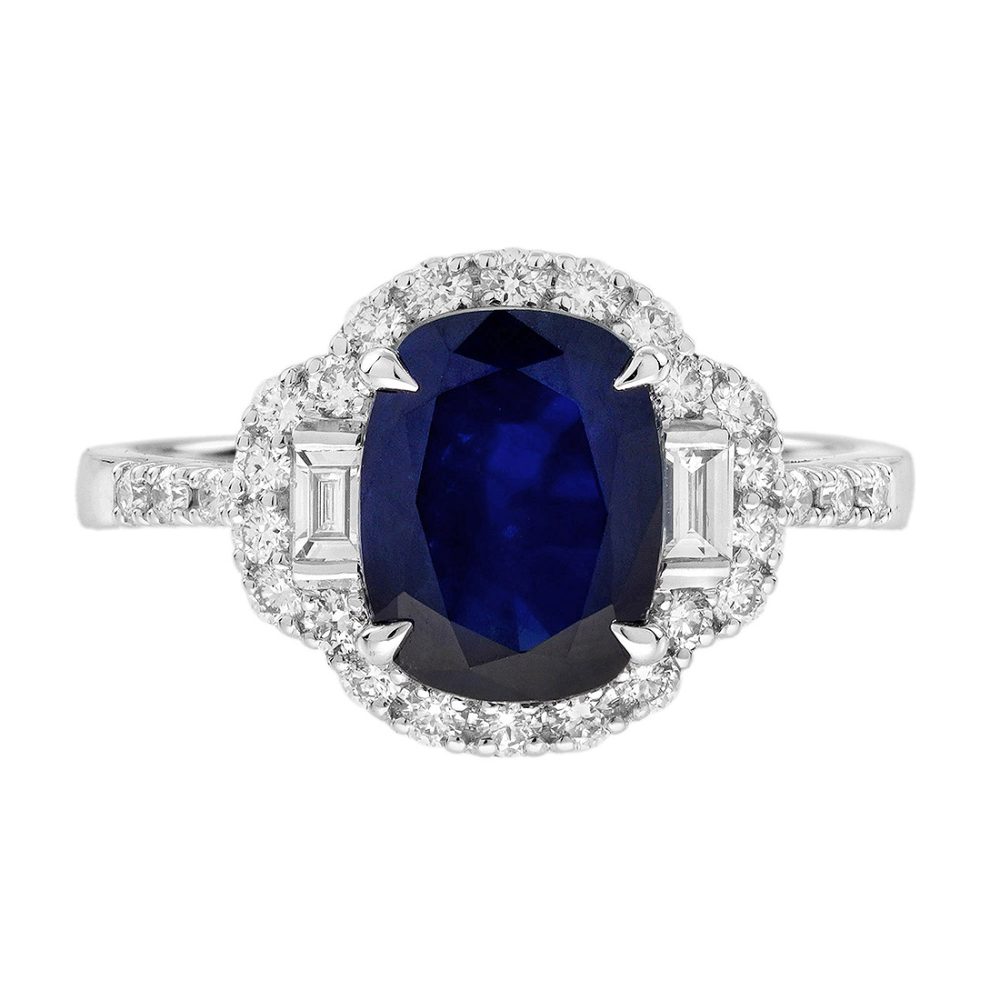
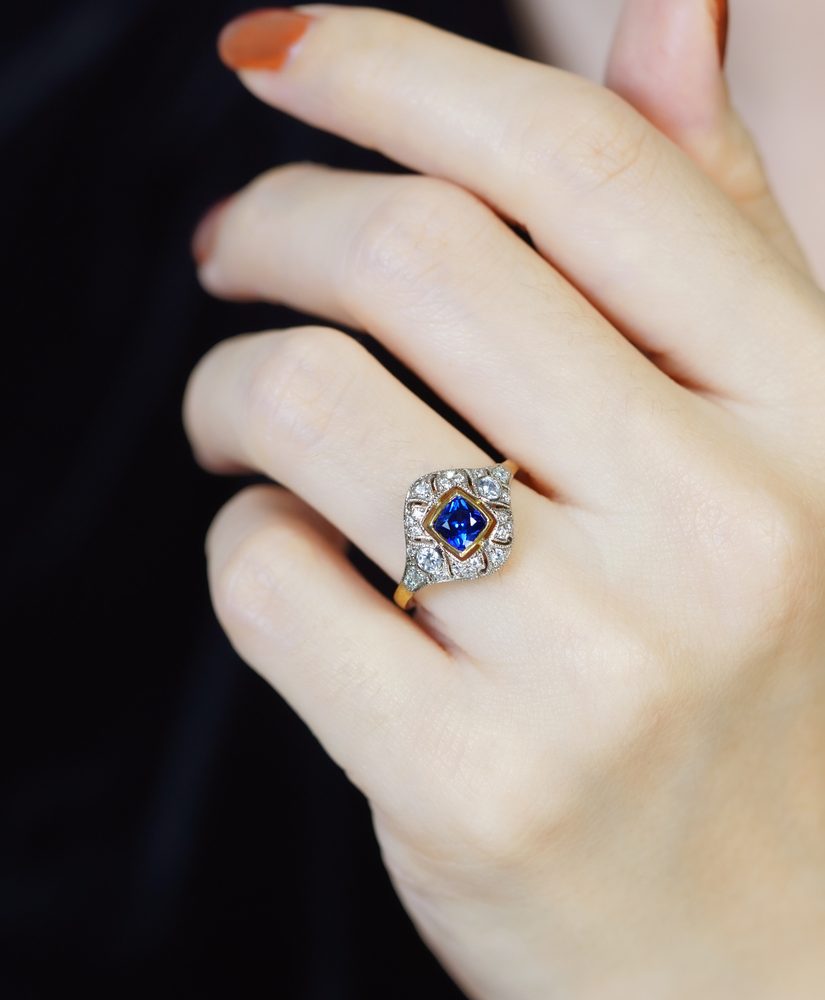
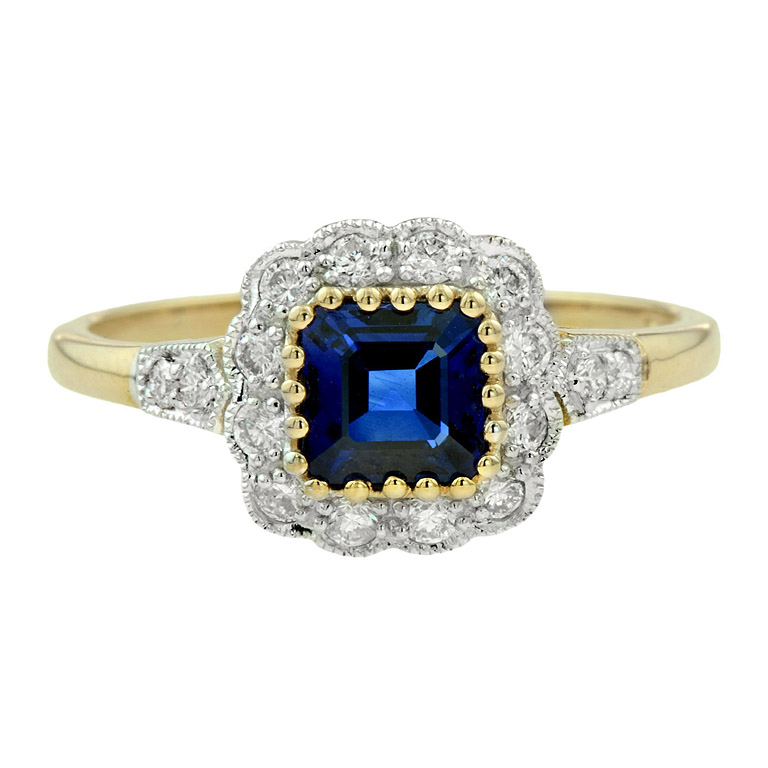
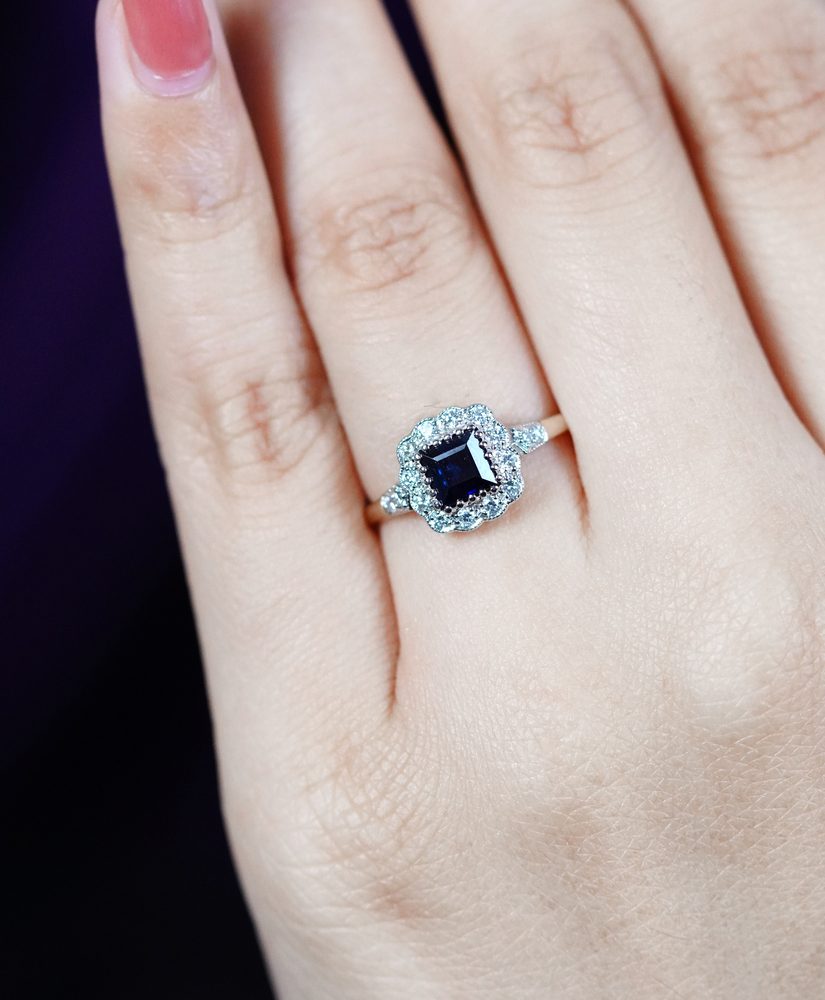
- Consider a natural colored stone. A sapphire, ruby, or other colored center is often less expensive than a diamond of the same size, and it makes the ring individual rather than standard.
- Use a halo. A ring of small diamonds around the center makes it look larger and can be a cheaper path to presence than buying a larger center outright.
- Choose solid gold over platinum. The look is comparable while the metal cost is lower, leaving more of the budget for the stone.
What we would not do to save money is drop to plated or gold-filled metal, or to an undisclosed treated or misrepresented stone. Those are false economies that undermine the one thing an engagement ring is meant to do, which is last. The savings above all preserve quality; they simply spend the budget where it shows.
Does a Bigger Budget Mean a Better Ring?
Not on its own. A larger budget buys a larger or higher-graded stone, but it does not by itself buy a better-made ring, and beyond a certain point the extra money goes into differences no one will see without a loupe. A superb cut on a modest stone, set well in solid gold, will outshine a large stone of mediocre cut in a hurried setting — brightness comes from proportion, not from carat weight or from a flawless clarity grade.
The quality that endures is in the making: a secure, well-finished setting; a stone protected appropriately for its hardness; metal heavy enough to wear for decades and be resized and repaired. These are not the things a bigger number automatically delivers, and they are the things a considered maker builds in at any budget. The best ring at $4,000 is a genuinely good ring; the worst ring at $12,000 is money spent on a grade certificate rather than on an object that lasts.
Workshop insight: We would always rather a client spend less on the stone and enough on the setting than the reverse. A dropped center stone or a band worn thin is what actually ends a ring’s life, and both are decisions made at the bench, not at the counter. Deciding how much to spend on an engagement ring is really two questions — how much on the stone, and how much on making it survive — and the second is the one most budgets underfund.
What Should You Remember About How Much to Spend on an Engagement Ring?
The question of how much to spend on an engagement ring has a short, honest answer and a long, marketed one. The marketed answer is a percentage of your salary, and it should be set aside — both Fidelity and The Knot identify it as advertising rather than advice. The honest answer is that you spend what you can comfortably afford from savings, without debt, and that almost any figure within a very wide range is normal.
The real data anchors that range: an average near $5,200, most couples under $6,000, a third under $3,000, and a small minority well above. Within whatever figure you choose, the center stone and especially its carat weight drive the price, so the practical skill is spending deliberately — buying just under a round weight, prioritizing cut, considering a colored stone, and leaving room for the setting, sizing, and insurance that make a ring last.
Decided that way — budget first, design to the number, quality of making over size of stone — an engagement ring is a purchase you can look back on without regret, at $3,000 or at $30,000. That is the standard we build to at the bench: the best ring at the number you have chosen, in natural stones and solid gold, made to last a lifetime of wear.
Sources: The Knot — Average Engagement Ring Cost (2024 Jewelry & Engagement Study) · Fidelity — How Much Should You Spend on a Wedding Ring? · GIA — The 4Cs of Diamond Quality
Engagement Ring


Frequently Asked Questions About How Much to Spend on an Engagement Ring
Is the “three months’ salary” rule real?
No. It is an advertising line, not a financial principle. Fidelity traces the figure to a diamond company’s marketing campaign and states plainly that it is not something anyone needs to follow, and The Knot calls the benchmark “just marketing.” There is no set percentage of income you are expected to spend; the right budget is what you can comfortably afford from savings.
What is the average engagement ring cost?
About $5,200, according to The Knot’s 2024 Jewelry & Engagement Study — down from $6,000 in 2021. The average sits in the middle of a wide range: nearly two-thirds of couples spend under $6,000, about a third spend under $3,000, and roughly 5% spend $15,000 or more. Almost any figure across that range is normal.
How do I set an engagement ring budget?
Start from savings rather than income. Decide a firm figure before you shop, weigh it against other goals such as a wedding or a home deposit, and avoid taking on debt for the ring. Leave room for sizing, insurance, and a wedding band, which are real additional costs. Once the number is fixed, choose the stone, metal, and setting to meet it.
How do I get a bigger-looking ring for my budget?
Buy just under a round carat weight — a 0.90 ct looks almost identical to a 1.00 ct face-up and costs less, because the premium sits on the round number. Prioritize cut over a flawless clarity or top color grade, consider a natural colored stone such as sapphire, use a halo to make the center look larger, and choose solid gold over platinum. Each preserves quality while spending the budget where it shows.
Does spending more mean a better ring?
Not on its own. A larger budget buys a larger or higher-graded stone, but brightness comes from cut quality, not carat weight, and durability comes from how well the ring is made and set. A superbly cut modest stone in a secure solid-gold setting will outlast and outshine a large stone of mediocre cut in a hurried mount. Spend enough on the making, not only on the stone.