
Blog, Style & History
What Is Filigree in Jewelry? (Including Openwork)

Key Takeaways: What Is Filigree in Jewelry?
- What is filigree in jewelry, in one line: fine metal wire, usually gold, silver, or platinum, twisted, curled, and soldered into lace-like patterns, often with open space showing through the design.
- Filigree and openwork overlap but are not identical. Filigree is a wirework technique; openwork is any pierced or cut-through metal design, which may or may not use filigree’s twisted-wire method.
- The technique is centuries old and reached a major revival in Edwardian and Art Deco platinum jewelry, since platinum’s strength let the wire sit thinner without weakening.
- Hand-filigree takes real time and skill — each curl is shaped and soldered by hand — which is part of why genuine filigree costs more than a stamped or cast imitation of the look.
- We hand-make new filigree pieces in solid gold and platinum — inspired by the technique’s long history, never sold as antique unless it genuinely is.
What Is Filigree in Jewelry? The Short Answer
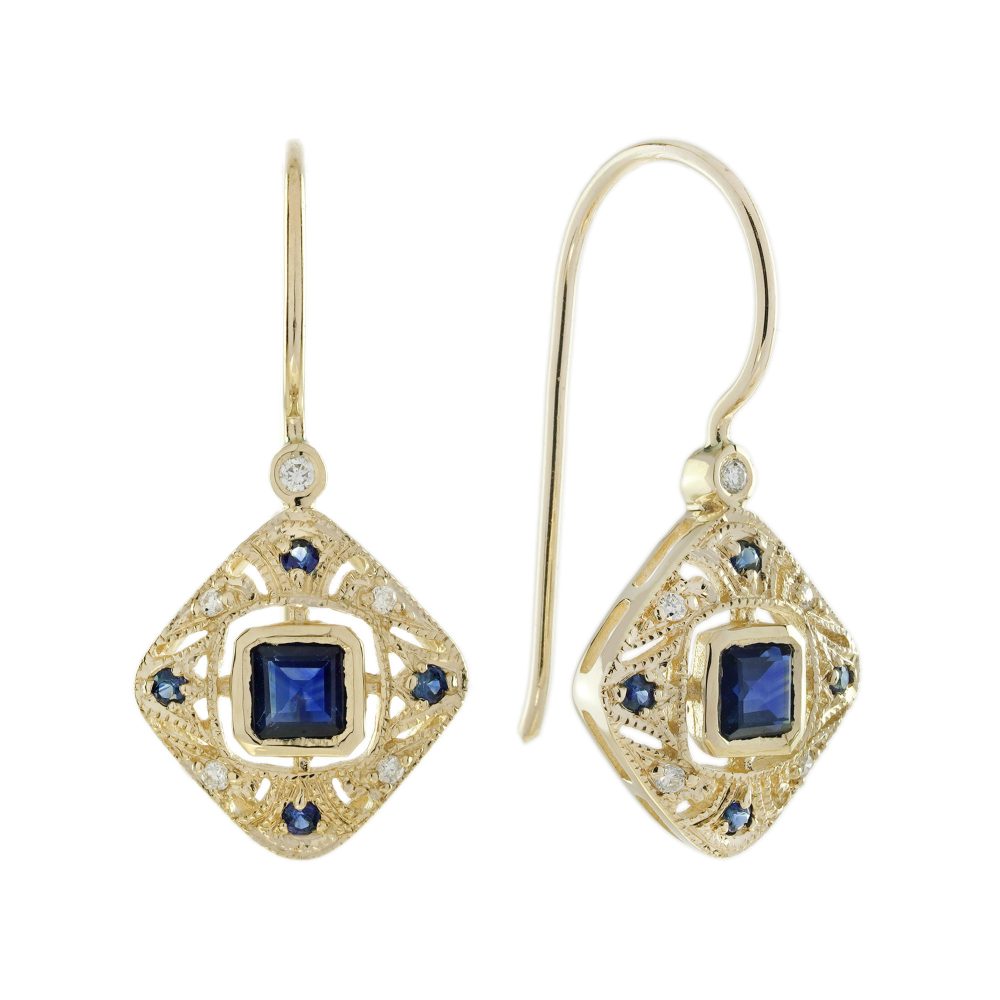
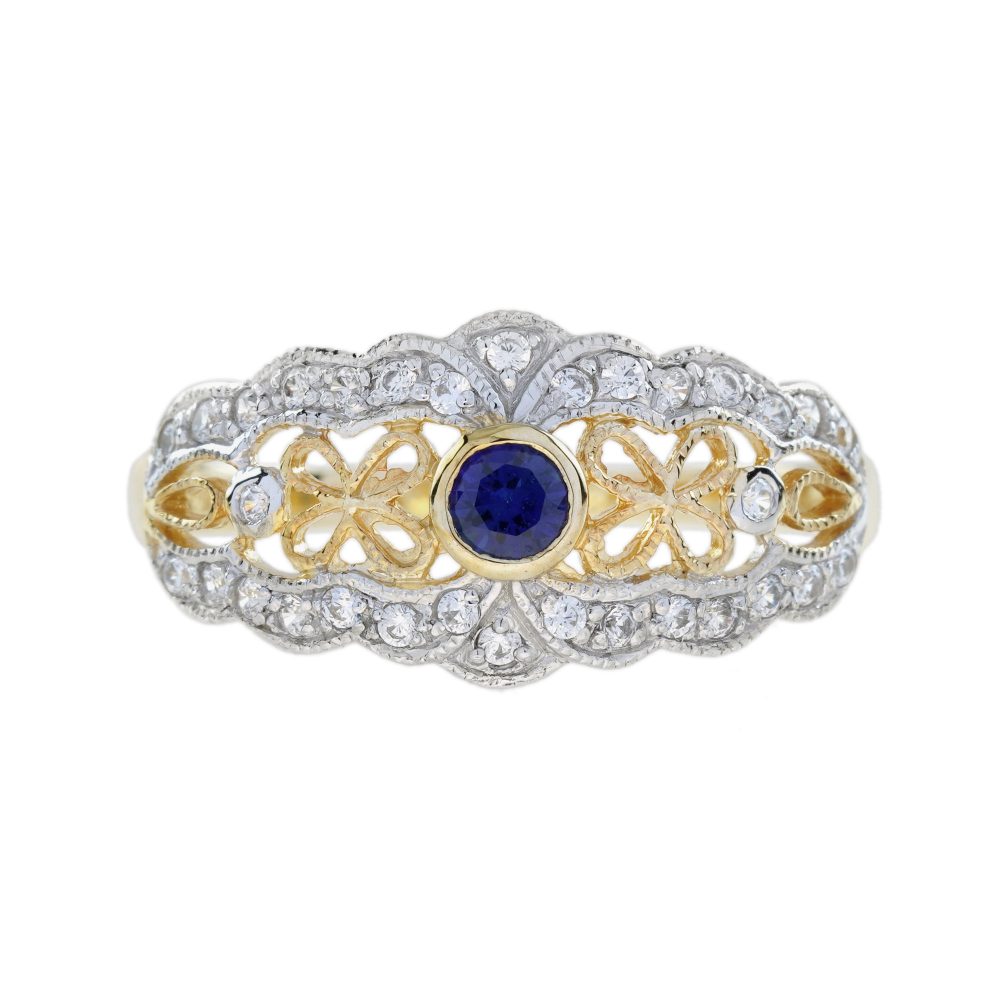
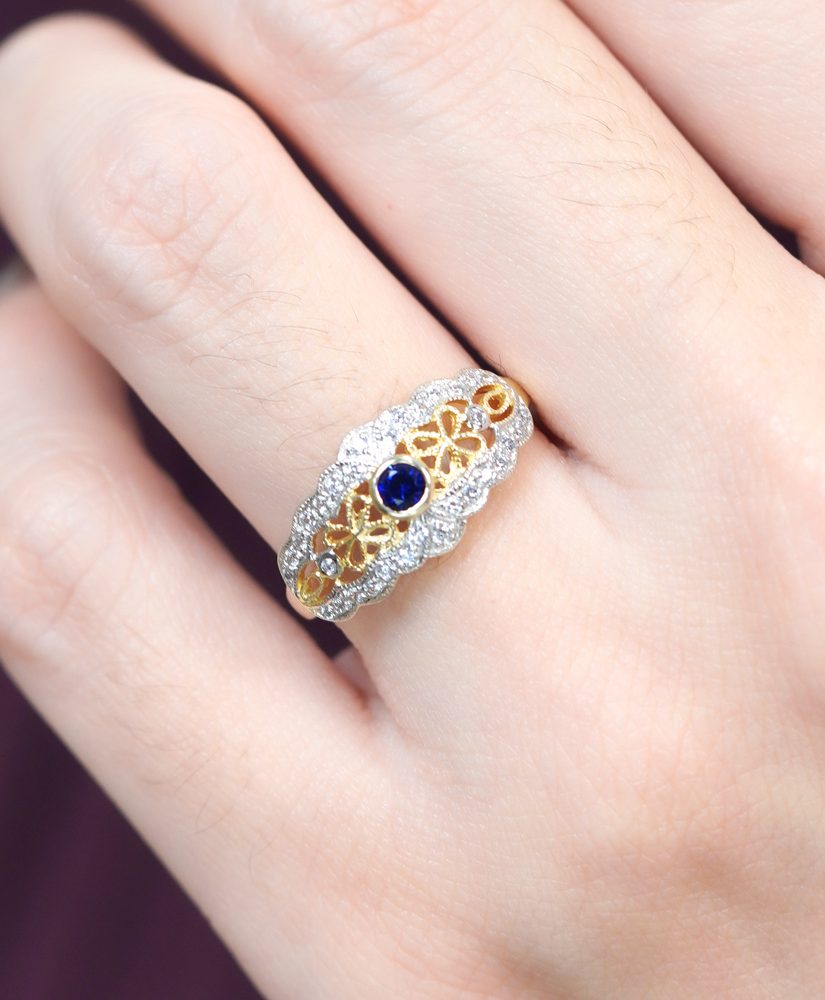
What is filigree in jewelry? It is a metalworking technique that twists and curls fine wire, almost always gold, silver, or platinum, into lace-like patterns that are then soldered into an open, airy design. The defining trait is the open space: light passes through the piece rather than stopping at a solid metal surface, which is what gives filigree its delicate, handmade look. Filigree is closely related to openwork, a broader term for any jewelry design with cut-through or pierced sections, but the two are not interchangeable.
Filigree vs Openwork at a Glance
| Feature | Filigree | Openwork (general) |
|---|---|---|
| Core technique | Fine wire twisted, curled, soldered | Metal pierced, cut, or cast with gaps |
| Material typical | Gold, silver, platinum wire | Any metal, sheet or wire |
| Look | Lace-like, curling, continuous | Can be geometric, floral, or abstract |
| Relationship | A specific wirework method | Umbrella term; filigree is one type |
| Common eras | Ancient through Edwardian revival | Found across nearly every era |
| Strength | Delicate; needs careful handling | Varies with design and metal thickness |
| Making method | Hand-shaped and soldered, wire by wire | Hand-pierced, cast, or laser-cut |
How Is Filigree Actually Made?
Traditional filigree starts with drawing metal into very fine wire, then twisting two strands together to create a textured thread. That twisted wire is shaped, by hand, into curls, loops, and scrollwork, piece by tiny piece, and each section is soldered into place against the next, building up the pattern like a miniature wire drawing rather than being carved or cast from a solid block.
What is filigree in jewelry from a making standpoint is really a question of patience: a single pendant or pair of earrings can take hours of careful wire-shaping before the piece is ready for polishing and setting. This is a meaningful part of why hand-filigree costs more than a cast piece that only imitates the look — the labor is the product, not just the metal.
Some modern filigree is cast from a mold taken off a hand-made original, which is faster and less expensive but produces a slightly less crisp, less dimensional result than wire built up by hand, since casting tends to soften the finest details of true wirework.
Soldering is the step that separates skilled filigree work from a rough attempt: each joint has to be strong enough to hold the piece together under normal wear, but neat enough that the join does not show as a lump or a gap in the pattern. A jeweler who specializes in openwork jewelry generally learns this joint-by-joint soldering discipline over years, which is part of why experienced filigree makers are harder to find than general bench jewelers. Anyone researching what is filigree in jewelry from a buying perspective should know that this soldering skill, more than the raw material cost, is what the price of a hand-made piece is really paying for.
How Does Filigree Differ from Openwork?
Openwork is the broader category: any jewelry design with sections cut away, pierced through, or left as gaps in solid metal, regardless of how those gaps were made. Filigree is one specific way of achieving an open, airy look, built from twisted wire rather than from piercing or cutting a solid sheet.
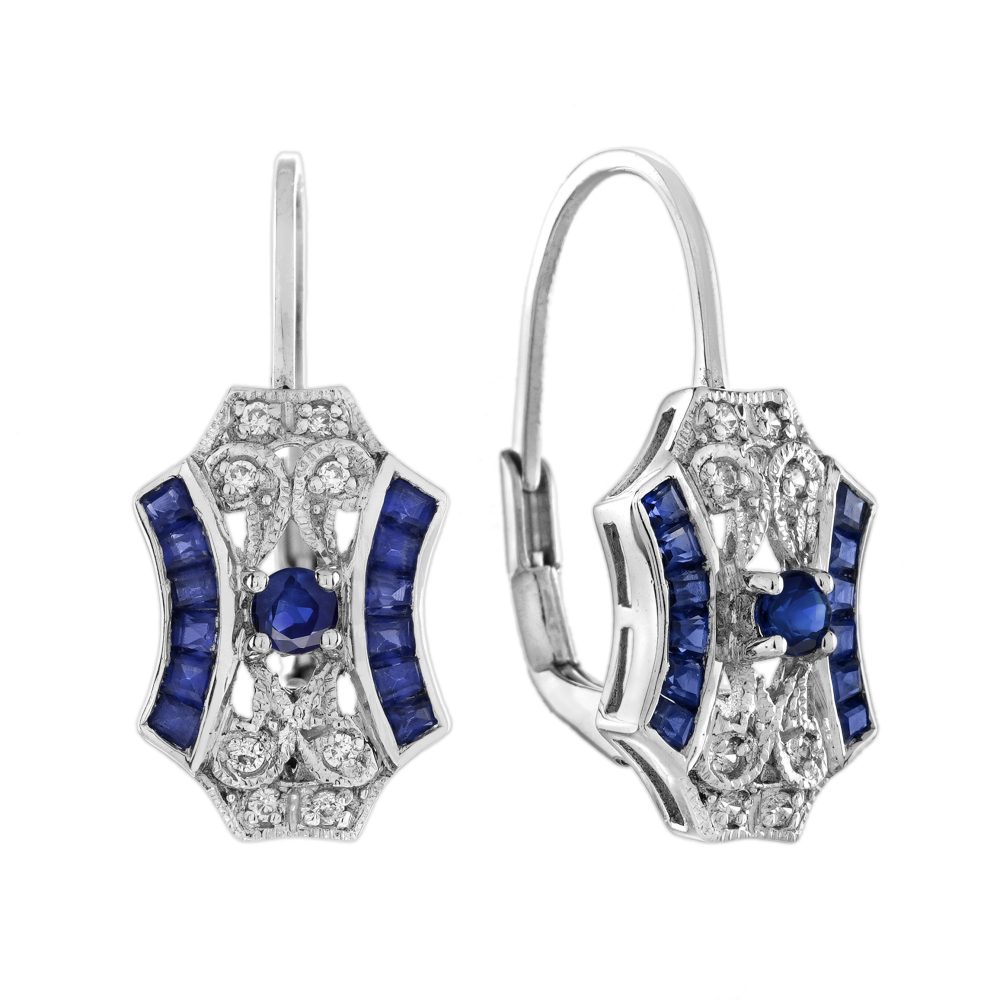
A piece can be openwork without being filigree — a geometric Art Deco ring with cut-through sections in solid platinum is openwork but not filigree, since there is no twisted wire involved. A piece can also combine both: a filigree panel set into an openwork frame is common in Edwardian and revival-style jewelry, which is part of why the two terms get used loosely as if they mean the same thing. Keeping the distinction straight matters most when shopping, so you know whether “openwork” in a listing means true wirework filigree or a different, faster cutting technique.
The filigree vs openwork distinction also affects price and repair. Because filigree requires individually shaped and soldered wire, it generally costs more and needs a wirework specialist for repair, while simpler pierced or cut openwork can often be repaired by a general jewelry bench, since the structure is a single cut sheet rather than many soldered wire joints.
Why Was Filigree So Popular in Edwardian and Art Deco Jewelry?
Filigree had been used for centuries before the early 20th century, but it had a major revival once platinum became workable in jewelry around 1900. Platinum’s strength let jewelers build extremely fine wirework that could still hold its shape under everyday wear, something earlier gold filigree could not always manage at the same delicacy.
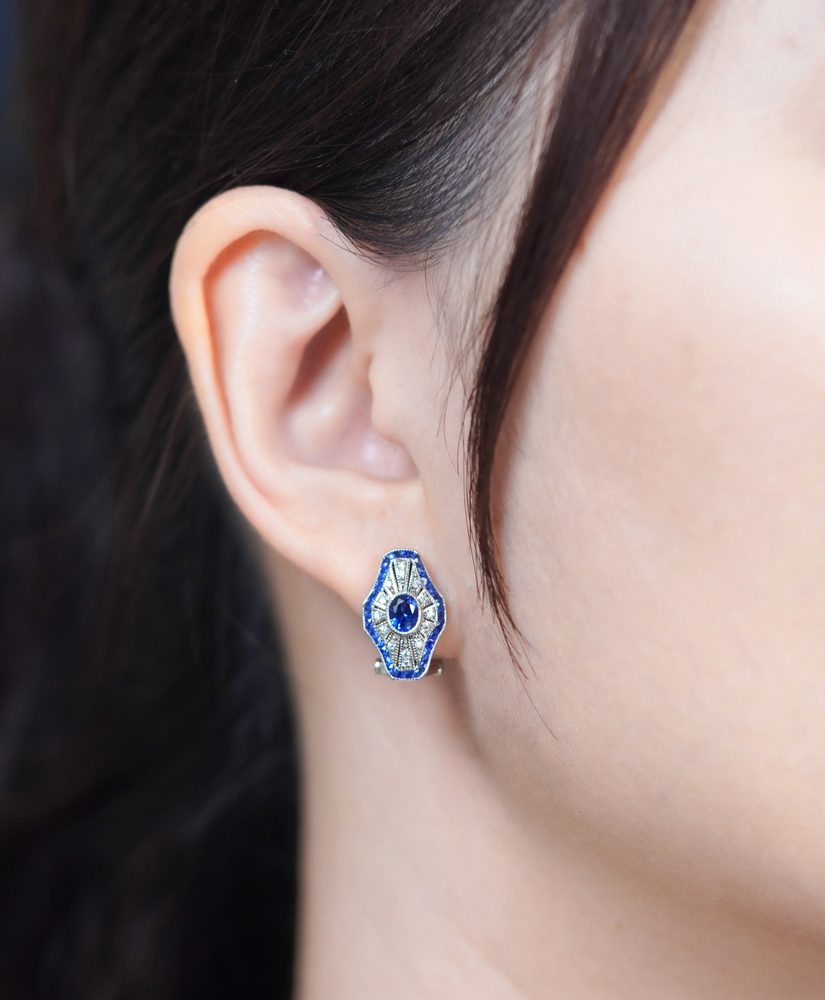
Edwardian jewelers used fine platinum filigree to imitate the look of lace and fabric, which suited the period’s taste for soft, flowing, feminine design. Art Deco jewelers later used a related open, geometric lattice style, though with straighter lines and less of the curling wirework that defines classic filigree. Both eras show how the same underlying strength of platinum enabled very different aesthetic directions.
Related: Our Guarantee
How Can You Tell Real Hand-Filigree from a Cast Imitation?
Hand-made filigree usually shows small, natural variations: curls that are not perfectly identical, slightly uneven spacing, and crisp, well-defined wire edges where each piece was individually soldered. A cast imitation tends to look more uniform, with slightly softened or rounded detail where the mold could not fully capture the sharpness of real wirework, and seams or a faint texture difference where the casting process leaves its mark.
Weight is a useful secondary clue: because real wire filigree is mostly open space, a genuine piece often feels lighter than its visual size suggests, while a solid cast piece designed to look like filigree can feel noticeably heavier for the same apparent size, since it is not actually built from airy, twisted wire.
Is Filigree Jewelry Durable Enough for Everyday Wear?
Filigree is more delicate than a solid-metal design by nature, since the open wirework has less metal mass to resist bending or catching on fabric. That does not make it fragile for normal wear, but it does mean filigree earrings, pendants, and rings benefit from a little extra care — avoiding snagging on clothing, and removing the piece before activities with a lot of hand contact, like gardening or heavy cleaning.
Platinum filigree holds up better under daily wear than gold filigree of the same wire thickness, because platinum is naturally stronger and more resistant to bending out of shape. A well-made filigree piece, in either metal, can last for generations with reasonable care, which is exactly why so much genuine antique filigree has survived to be collected and admired today.
Storage matters too: a filigree piece kept loose in a drawer with heavier jewelry is more likely to bend or catch than one stored separately, in its own soft pouch or a lined compartment. A few seconds of care when putting a piece away does more for its long-term condition than almost any other single habit — a small point worth remembering once you understand what is filigree in jewelry really involves at the wire level.
Can Filigree Be Repaired If a Wire Bends or Breaks?
Yes, in most cases, though filigree repair calls for a jeweler experienced specifically in wirework rather than general bench repair. A bent wire can often be carefully reshaped and re-soldered back into the pattern; a broken section may need a small new piece of matching wire fabricated and blended in so the repair does not stand out against the surrounding original work.
Because filigree repair is more specialized than most jewelry repair, it is worth asking specifically whether a jeweler has experience with wirework before handing over a delicate antique or heirloom piece, rather than assuming any general repair bench can match the technique.
A rushed or inexperienced repair is one of the more common ways a genuine antique filigree piece loses value and character, since a mismatched wire gauge or an overly heavy solder joint can stand out clearly against finer original work. Taking the extra time to find the right specialist is almost always worth it for a piece with real age or sentimental value, since poorly understanding what is filigree in jewelry actually requires at the repair bench is exactly how heirloom pieces get damaged.
Does Lilly M. Make Filigree and Openwork Jewelry?
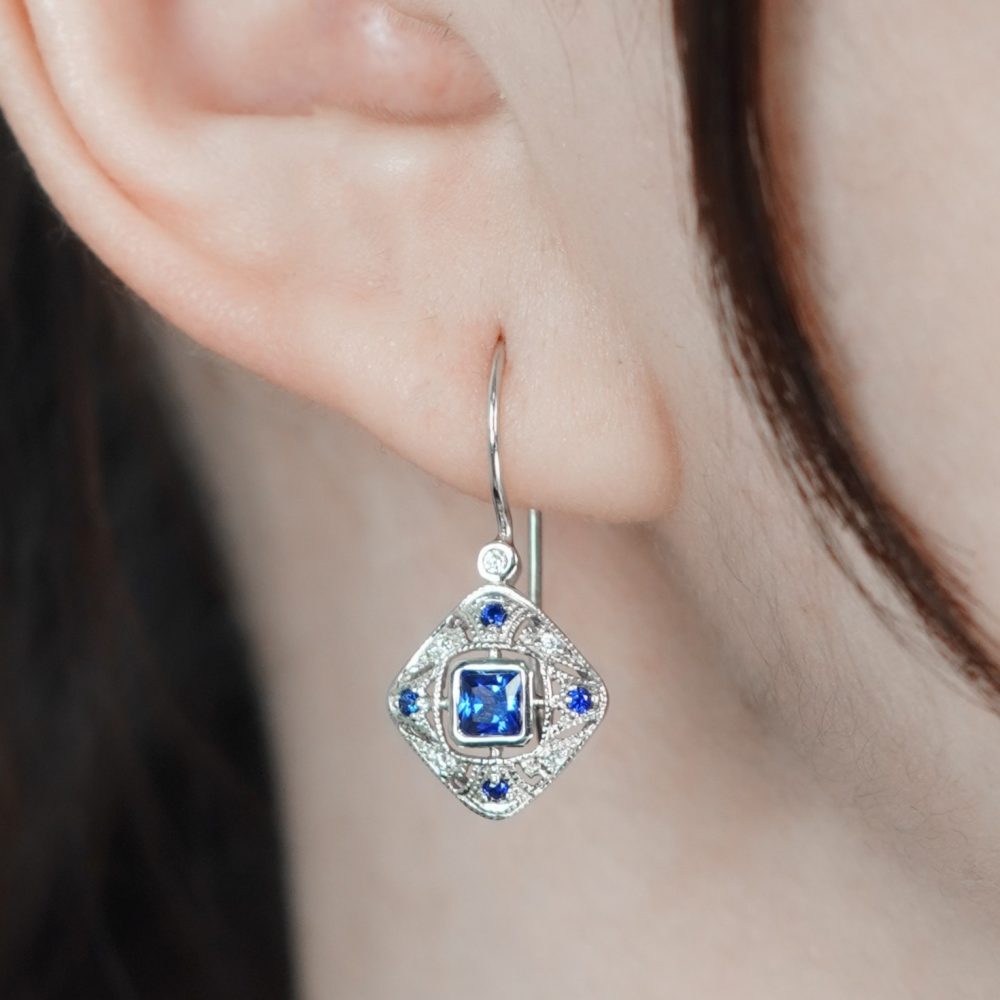
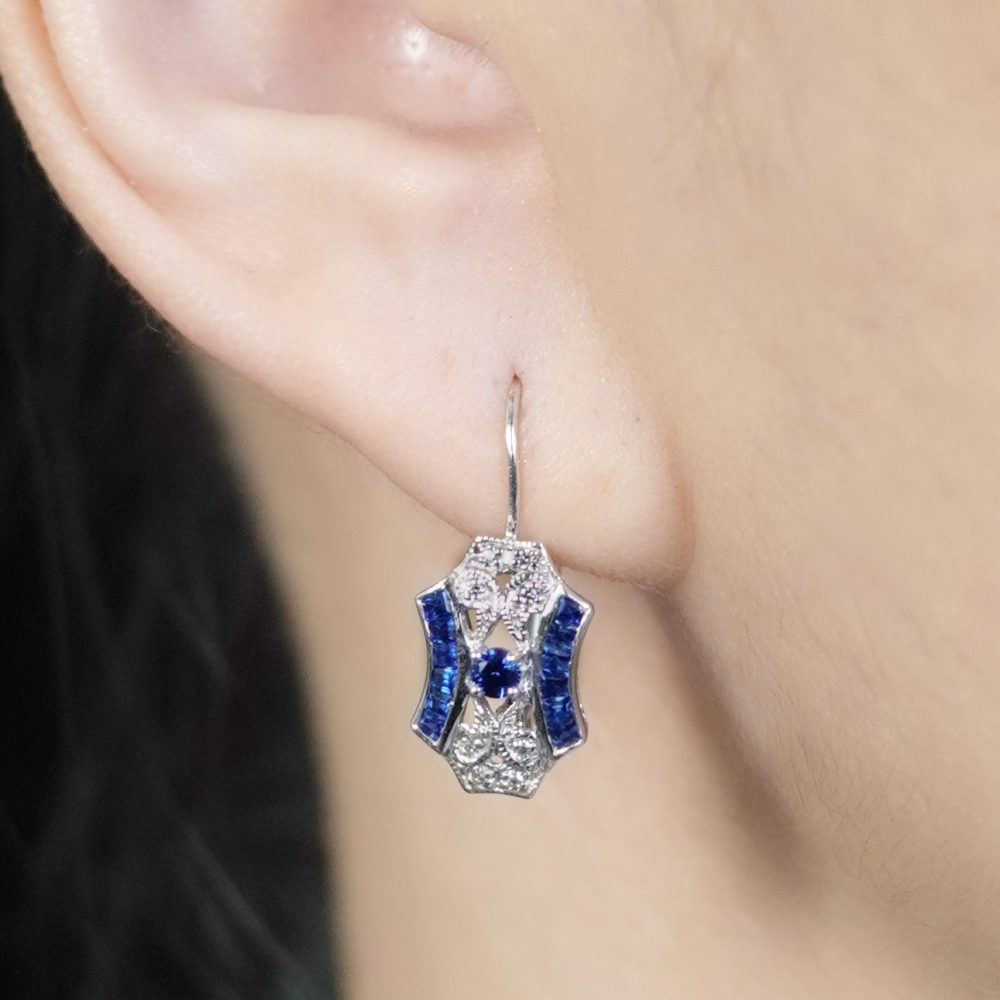
Yes. We hand-make new filigree and openwork pieces in solid gold and platinum, drawing on the same wirework technique that defined Edwardian and revival-style jewelry. Every piece is newly made at our bench and is never represented as a period original or antique — it is new work that honors a historical technique honestly.
Understanding what is filigree in jewelry before you buy helps you judge quality: look for crisp, individually soldered wire with natural small variations, ask whether a piece is cast or hand-built, and factor in that genuine hand-filigree reasonably costs more because of the labor involved.
Related: Bespoke & Personalization
What Should You Remember About Filigree and Openwork?
What is filigree in jewelry, in short: fine wire twisted and soldered into open, lace-like patterns, most associated with gold, silver, and platinum work and a major Edwardian-era revival. Openwork is the broader umbrella term for any pierced or cut-through metal design, and filigree is one specific, wire-based way of achieving that open look.
If you remember one shortcut: check whether the open pattern is built from twisted wire (filigree) or cut through a solid sheet (openwork more generally), and look for the small natural irregularities that separate genuine hand-filigree from a cast imitation. We make new filigree and openwork pieces by hand, in solid gold and platinum, and are always upfront that the design draws on history even though the piece itself was made recently, by us.
Sources: GIA — Jewelry History and Techniques Reference · The Metropolitan Museum of Art — Decorative Arts Reference
Yellow Gold
Halo Ring

Yellow Gold
Frequently Asked Questions: What Is Filigree in Jewelry?
What is filigree in jewelry, in the simplest terms?
It is fine metal wire, usually gold, silver, or platinum, twisted and soldered into open, lace-like patterns, so that light passes through the open spaces in the design rather than stopping at solid metal.
Is filigree the same thing as openwork?
Not exactly. Openwork is the broader term for any pierced or cut-through metal design. Filigree is one specific wirework method of achieving that open look, so filigree is a type of openwork, but not every openwork piece is filigree.
Why does hand-made filigree cost more than other jewelry?
Each curl of wire is shaped and soldered by hand, piece by piece, which takes considerably more skilled labor than casting or stamping a solid design. The cost mainly reflects that time and craftsmanship, not extra material, since filigree actually uses less metal than a solid piece of the same size.
Can filigree jewelry be worn every day?
Yes, with a little extra care. Filigree is more delicate than solid metal because of its open wirework, so it benefits from avoiding snagging on fabric and from being removed before activities with heavy hand contact, such as cleaning or gardening.
Does Lilly M. make filigree jewelry?
Yes. We hand-make new filigree and openwork pieces in solid gold and platinum. Our jewelry is never represented as a period original or antique — it is new work that honors a historical wirework technique.