
Blog, Care & How-to
Solid Gold vs Gold-Plated vs Gold-Filled: The Difference

Key Takeaways: Solid Gold vs Gold Plated vs Gold Filled
- Solid gold vs gold plated is really a question of what is under the surface. Solid gold is karat gold alloy all the way through; gold-plated and gold electroplate are a thin gold layer over a base metal; gold-filled sits in between, with a thicker, mechanically bonded gold layer.
- The gold layer’s thickness decides how long a piece lasts. Solid gold cannot wear through to another metal. Gold-filled can last years to decades. Gold-plated is the thinnest and wears fastest, often within months to a couple of years of regular wear.
- Only solid gold can be resized and repaired indefinitely without stripping away the gold. Gold-filled has limited room for bench work; gold-plated generally needs replating after any repair.
- Quality marks tell you what you are buying. Karat stamps (585, 750) mean solid gold; “1/20 12K GF” means gold-filled; “GP,” “gold electroplate,” or no stamp at all usually means a thin plated coating.
- We make every piece in solid gold, 9K to 18K. For jewelry meant to be worn daily, resized over a lifetime, and eventually passed on, solid gold is the only material that holds up to that promise.
Solid Gold vs Gold Plated vs Gold Filled: What Is the Difference?
Solid gold vs gold plated comes down to depth. Solid gold is karat gold alloy in every part of the piece, so it never wears through to another metal. Gold-plated jewelry (including gold electroplate) is a thin gold coating over a base metal, and that coating wears off with time. Gold-filled sits between the two: a much thicker gold layer that is mechanically bonded to a base metal, giving it more durability than plating but less permanence than solid gold.
Solid Gold vs Gold Plated vs Gold Filled at a Glance
| Property | Solid gold | Gold-filled | Gold-plated / electroplate |
|---|---|---|---|
| What it is | Karat gold alloy throughout the piece | Base metal with a bonded karat-gold layer | Base metal with a thin electroplated gold coating |
| Gold layer | 100% of the metal | At least 1/20 (5%) of total weight, 10K minimum | A thin deposited coating, typically far under 1/20 by weight |
| Typical stamp | 585, 750, 375, or “14K,” “18K” | “1/20 12K GF” or similar fraction + karat + GF | “GP,” “gold electroplate,” or no stamp |
| Lifespan | Generations, with normal care | Years to decades of daily wear | Months to a couple of years before it wears thin |
| Resize / repair | Yes, indefinitely | Limited — bench work can expose the base metal | Not really — usually needs replating after any work |
| Price | Highest | Mid-range | Lowest |
| Best for | Daily wear, heirlooms, sensitive skin | A durable middle ground on a tighter budget | Occasional-wear or trend pieces |
What Do “Solid Gold,” “Gold-Filled,” and “Gold-Plated” Actually Mean?
Across the different types of gold jewelry sold today, three categories cover almost everything: solid gold, gold-filled, and gold-plated, which includes gold electroplate and vermeil. Each is defined, under the FTC’s Jewelry Guides (16 CFR Part 23), by how much gold is present and how it is applied.
Solid gold means the metal itself, all the way through, is a karat gold alloy — 9K, 14K, or 18K, for example. There is no separate coating and no base metal underneath, so the karat stamp describes the entire piece, not just its surface. When people search for real gold jewelry, this is usually what they mean.
Gold-filled jewelry is a base metal — commonly brass — with a layer of karat gold mechanically bonded to it under heat and pressure. By law, that gold layer must equal at least 1/20th (5%) of the total weight of the piece, and the gold used must be at least 10 karat. It is a genuine layer, not a coating, which is why gold-filled wears far longer than plating.
Gold electroplate and gold-plated jewelry use an electric current to deposit a thin layer of gold onto a base metal. The FTC sets a minimum thickness and fineness for a piece to be called “gold electroplate”; a coating thinner than that minimum is typically labeled “gold flashed” or “gold washed” and wears away the fastest. Vermeil is a specific case: sterling silver plated with gold that meets the electroplate minimums, so it behaves like gold-plated jewelry but with a silver base rather than brass or copper.
When comparing gold filled vs gold plated jewelry side by side, the thickness of the gold layer is what matters most: a gold-filled layer is measured in fractions of total weight, while a plated layer is measured in millionths of an inch — a difference of scale, not just degree.
Related: Bespoke & Personalization
How Can You Tell What You Are Buying?
The stamp is the fastest way to tell what you are holding, and under the FTC Jewelry Guides a piece sold as gold must carry an accurate quality mark. Look for it on the inside of a ring band, the back of a pendant, or a clasp.
- Solid gold carries a karat number or its metric equivalent: “14K” or “585,” “18K” or “750,” “9K” or “375.” No other qualifier appears next to it.
- Gold-filled is marked with the weight fraction and karat together, such as “1/20 12K GF” or “1/20 14K GF.” If the fraction is missing, the layer may be thinner than the gold-filled standard, closer to rolled gold plate.
- Gold electroplate or gold-plated pieces are marked “GP,” “GEP,” or “gold electroplate,” sometimes with no fraction at all, since the coating is measured in thickness rather than weight.
- No stamp at all is itself a signal. Reputable solid gold and gold-filled jewelry is marked because the maker is required to back up the claim; unmarked pieces sold as “gold” deserve a closer look, and a jeweler can test them.
If in doubt, ask directly whether a piece is solid gold, gold-filled, or gold-plated before buying — a legitimate jeweler will answer plainly, because the FTC requires the distinction to be disclosed with the same prominence as the word “gold” itself.
How Long Does Each Type Last?
Lifespan tracks the gold layer’s thickness almost exactly. Solid gold has no layer to wear through, so with ordinary care — occasional cleaning, storage away from other jewelry, and professional maintenance over the years — it lasts for generations and can pass from one owner to the next still recognizably itself.
Gold-filled jewelry, because its gold layer is a fixed, substantial fraction of the total weight, typically holds up for years to decades of regular wear before it shows base metal at points of the heaviest contact, such as a ring’s inner band or a clasp’s moving parts. Careful wear — removing it before swimming, exercise, or applying lotion — extends that considerably.
Gold-plated and gold electroplate jewelry wears the fastest, because the coating is measured in millionths of an inch rather than a share of total weight. Everyday friction, moisture, and skin oils thin it steadily, and many gold-plated pieces show base metal within months to a couple of years, sooner on rings and bracelets than on earrings or pendants that see less contact.
Can Gold-Filled or Gold-Plated Jewelry Be Resized or Repaired?
Solid gold can be resized, re-tipped, soldered, and polished repeatedly over its lifetime, because every part of the metal — inside and out — is the same karat gold alloy. A jeweler can cut, stretch, or add metal to a solid gold band without ever exposing a different material underneath.
Gold-filled jewelry has some room for this, since its gold layer is a real, substantial thickness, but that room is limited. Resizing a gold-filled ring by more than a size or two, or heavy repair work, can thin the layer at the seam enough to expose the base metal, so most jewelers will only resize gold-filled pieces within a narrow range and advise against repeated repairs.
Gold-plated and gold electroplate jewelry generally cannot be resized or repaired without damaging the coating. Any bench work — sizing, soldering, even some polishing — removes gold at the point of contact, and the piece then needs to be replated to look consistent again. For a ring meant to be worn for decades and resized as a hand changes, that limitation matters far more than the up-front price.
Is Gold-Filled or Gold-Plated Better for Sensitive Skin?
Gold-filled is generally the better choice of the two, and the reason comes back to thickness. Skin reactions to gold jewelry are usually reactions to the base metal underneath — often brass containing trace nickel or copper — not to the gold itself, which is inert. A gold-filled layer is thick enough to keep that base metal fully covered through ordinary wear, while a thin gold-plated coating can wear through in months and expose the reactive metal directly against the skin.
Workshop insight: For a wearer with known metal sensitivity, though, neither gold-filled nor gold-plated is the safest answer — solid gold is. Because there is no base metal anywhere in a solid gold piece, there is nothing for skin to react to once the alloy itself is tolerated, and that protection never wears off.
Is Solid Gold Worth the Extra Cost?
Solid gold costs more than gold-filled or gold-plated for a simple reason: it is gold all the way through, not gold over a cheaper metal, so far more precious metal goes into every piece. Whether that premium is worth paying depends on how the piece will be worn and how long it needs to last.
The case for solid gold is durability and honesty over time: it can be resized as a hand changes, repaired after decades of wear, cleaned without fear of stripping a coating, and handed on to the next generation still being exactly what it was sold as. The case for gold-filled is a genuine, longer-lasting alternative at a lower price for someone testing a style before committing. The case for gold-plated is lowest cost for a look worn occasionally or briefly, with the understanding that the gold surface is temporary.
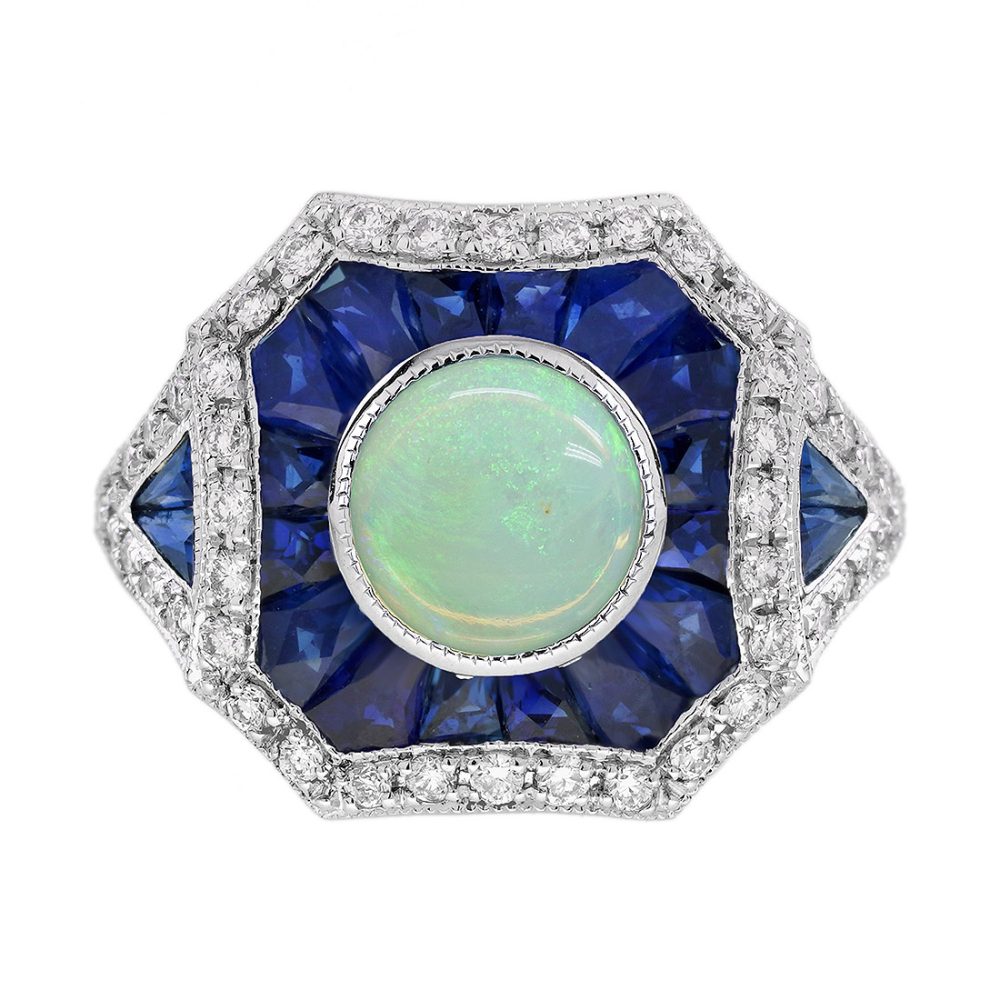
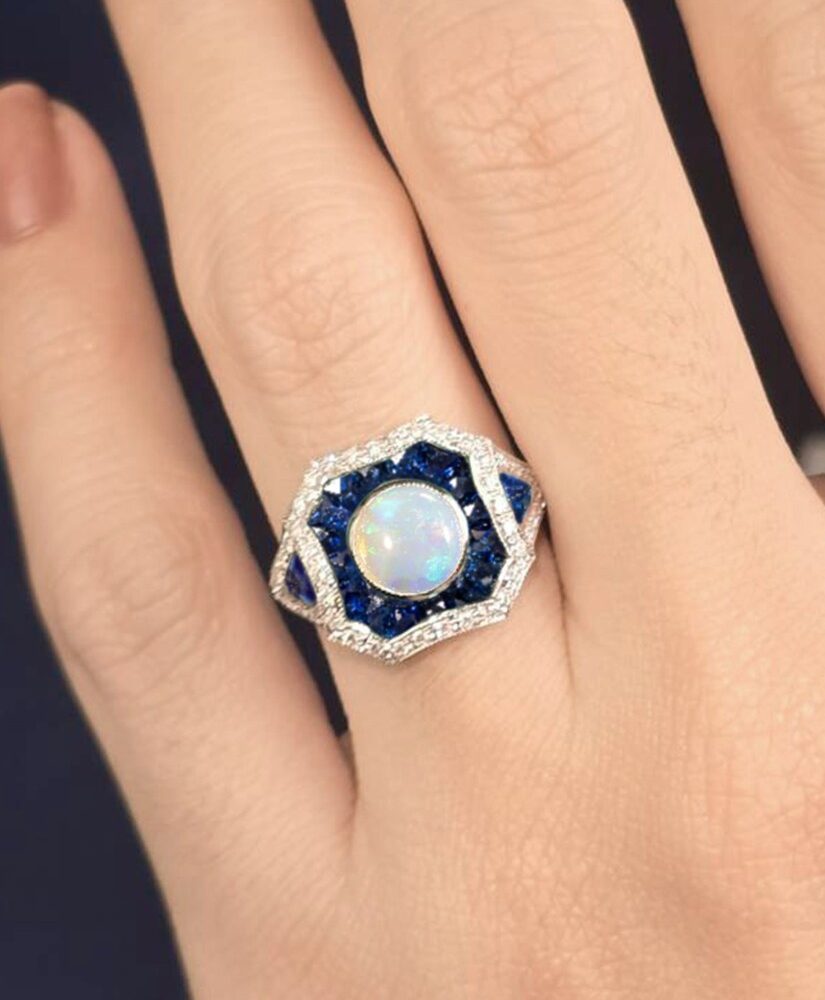
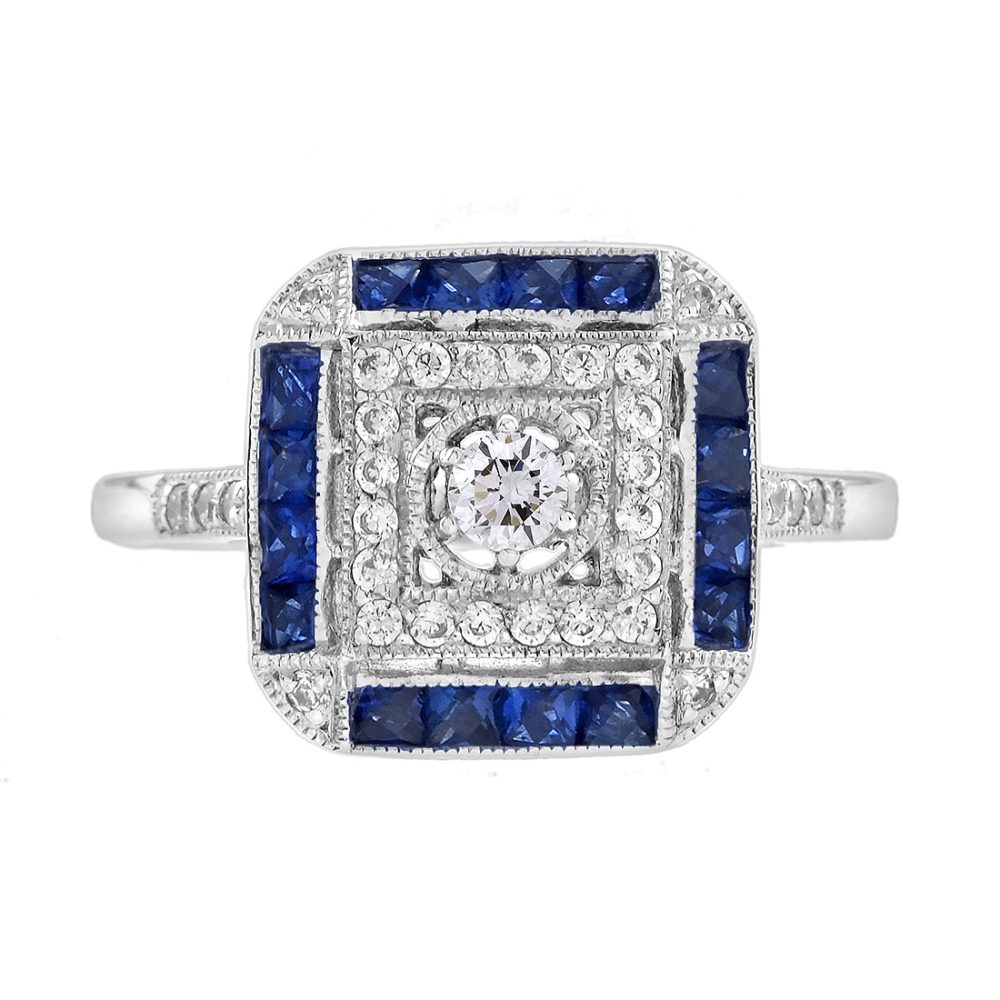
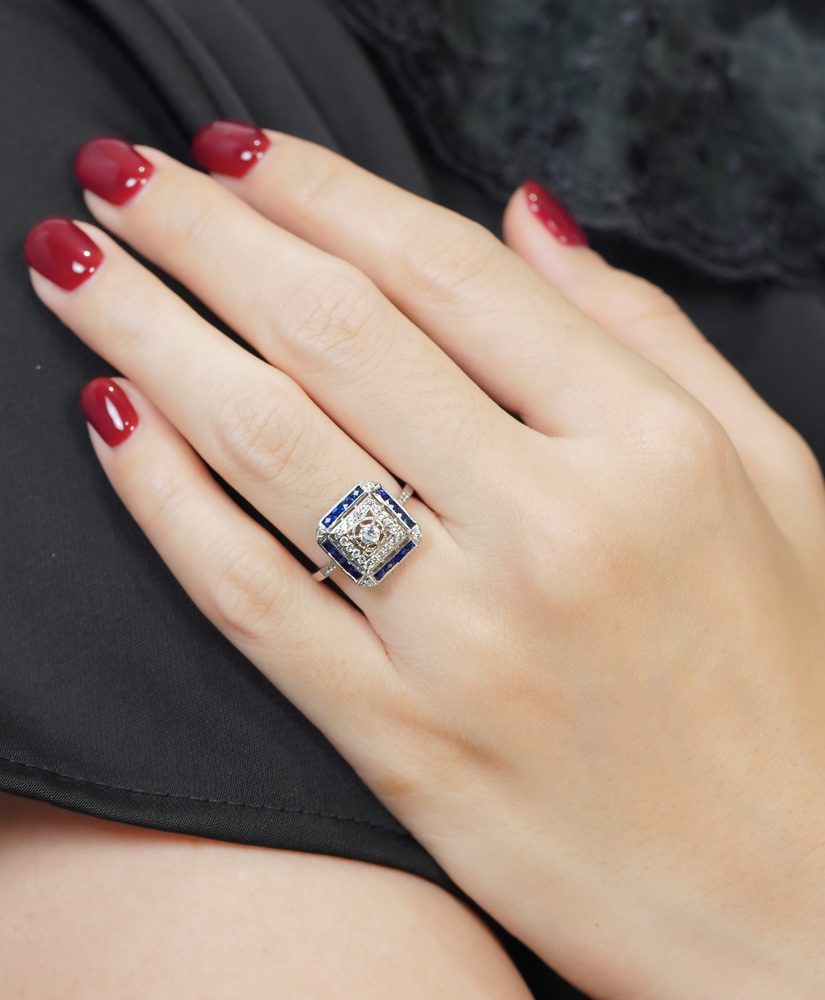
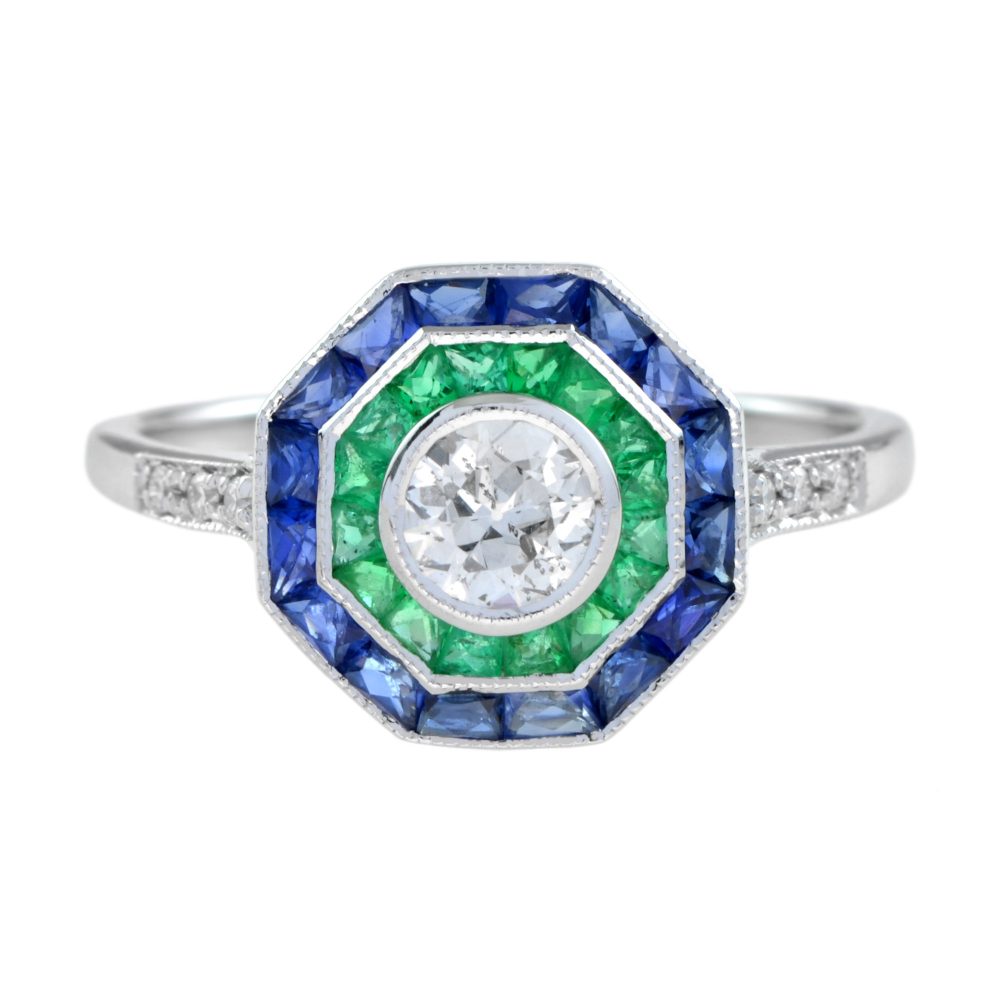
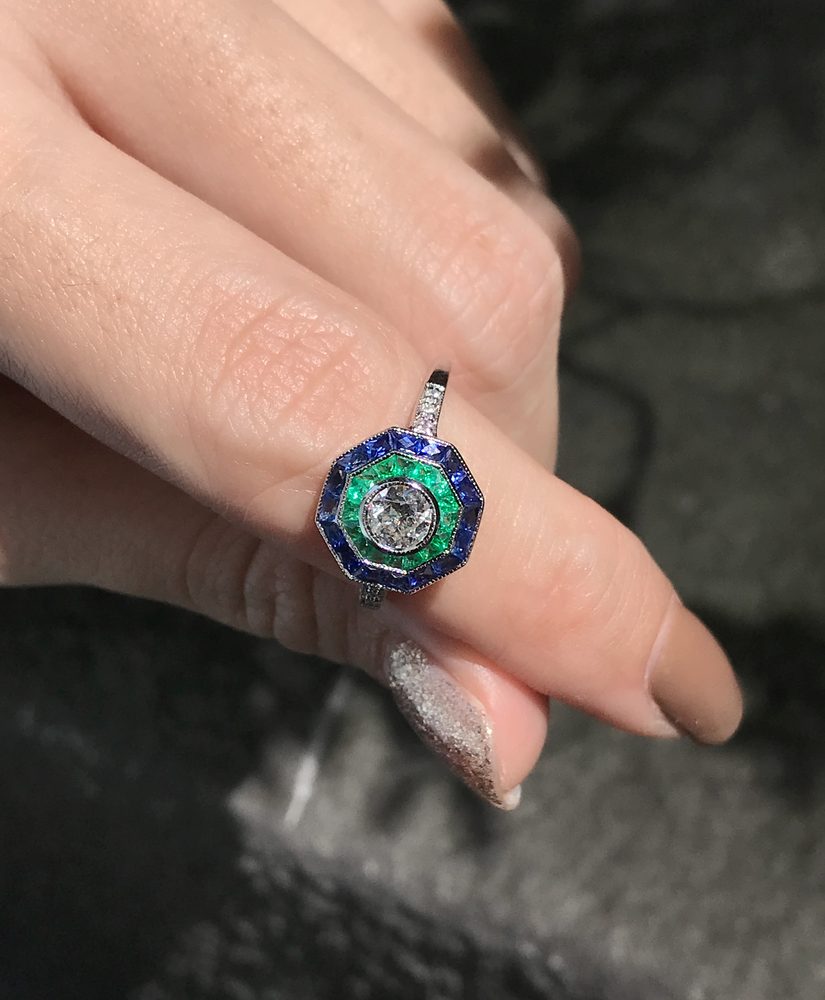
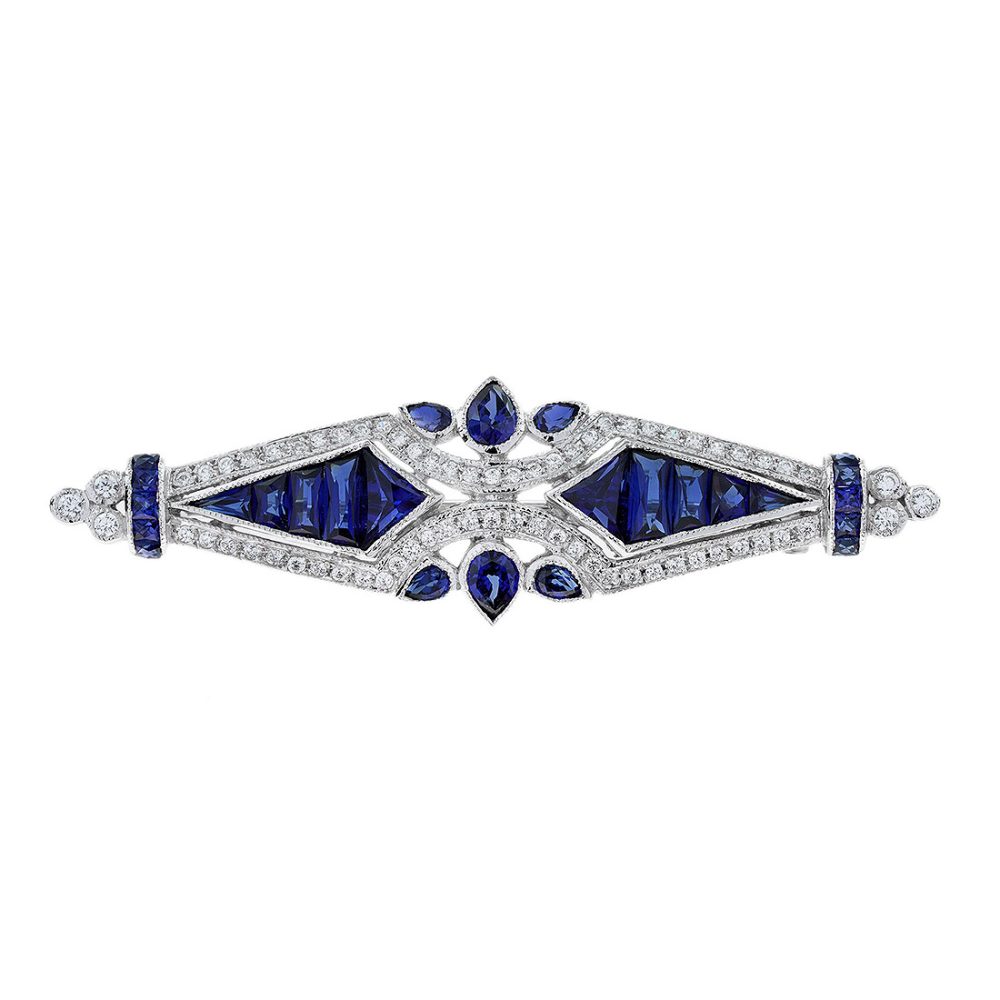
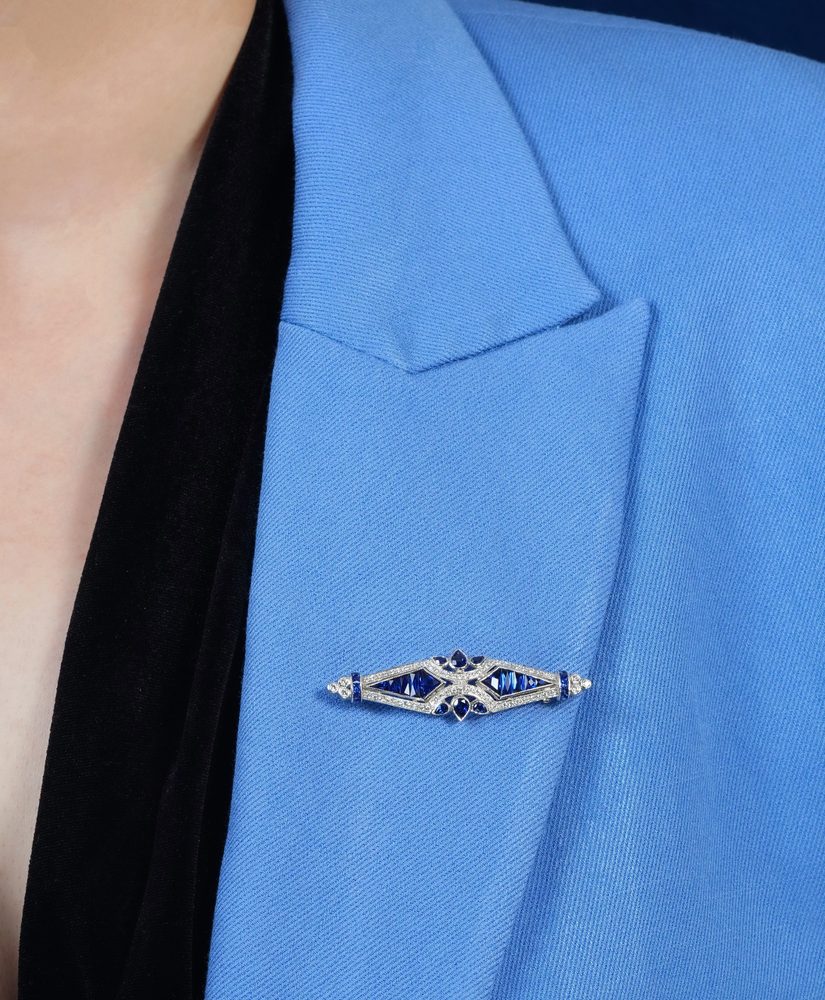
We make every piece we sell — Art Deco and Edwardian-inspired designs alike — in solid gold, from 9K through 18K, and in platinum. A plated or filled piece can imitate the look of fine jewelry for a season; it cannot carry the resizing, repair, and inheritance that antique-inspired design is meant for. That is the standard we hold every piece to, and it is why solid gold, not a coating, is the only material we build in. At Lilly M. JEWELERS, we use solid gold only — we do not offer gold-plated or gold-filled jewelry, so every piece you buy from us is exactly what it is stamped to be, with nothing to wear through over time.
Related: Our Guarantee
Solid Gold vs Gold Plated: Which Should You Buy?
The solid gold vs gold plated decision, and gold-filled alongside it, comes down to how long the piece needs to last and how it will be worn.
- Choose solid gold for engagement rings, wedding bands, heirlooms, and anything worn daily or meant to be resized and repaired over a lifetime.
- Choose solid gold if you have sensitive skin, since there is no base metal anywhere in the piece to react to.
- Choose gold-filled for a durable, longer-lasting option at a lower price point, especially for pieces worn often but not daily, such as layered necklaces or stacking pieces you are still deciding on.
- Choose gold-plated for occasional-wear or trend pieces where you expect the look to change before the coating wears through — costume and fast-fashion jewelry, essentially.
- Check the stamp before you buy, whichever you choose. An accurate quality mark is the one detail that confirms what you are actually getting.
Related: Support & FAQ
What Should You Remember About Solid Gold vs Gold Plated?
Solid gold vs gold plated vs gold filled is a question of depth, not just appearance. Solid gold is karat gold throughout, lasts for generations, and can be resized and repaired indefinitely. Gold-filled has a substantial, legally defined gold layer bonded to a base metal, lasting years to decades with more limited repair. Gold-plated and gold electroplate are the thinnest coatings, wearing off within months to a couple of years and unable to be resized without replating.
Match the type to the purpose. Daily wear, sensitive skin, and heirloom pieces call for solid gold; a longer-lasting middle ground on a budget calls for gold-filled; occasional or trend pieces are where gold-plated makes sense. Whichever you choose, the stamp on the piece is what confirms it — solid gold and gold-filled are marked because the claim is required to be backed up, and an unmarked “gold” piece is worth a second look.
We work only in solid gold, 9K to 18K, and in platinum, because that is what lets a piece be resized, repaired, and worn for a lifetime rather than a season.
Sources: eCFR — 16 CFR Part 23, FTC Jewelry Guides (quality marks for gold, gold-filled, and gold electroplate) · FTC — 2018 Revisions to the Jewelry Guides
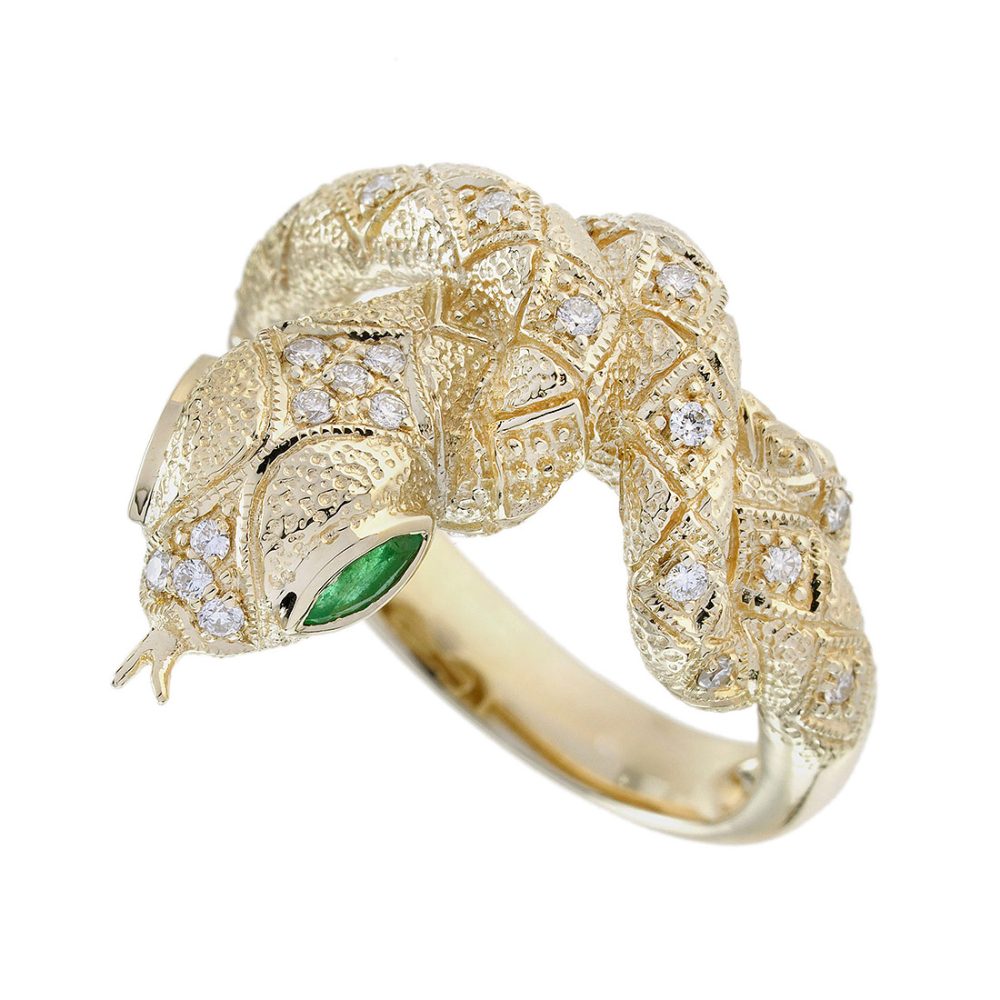
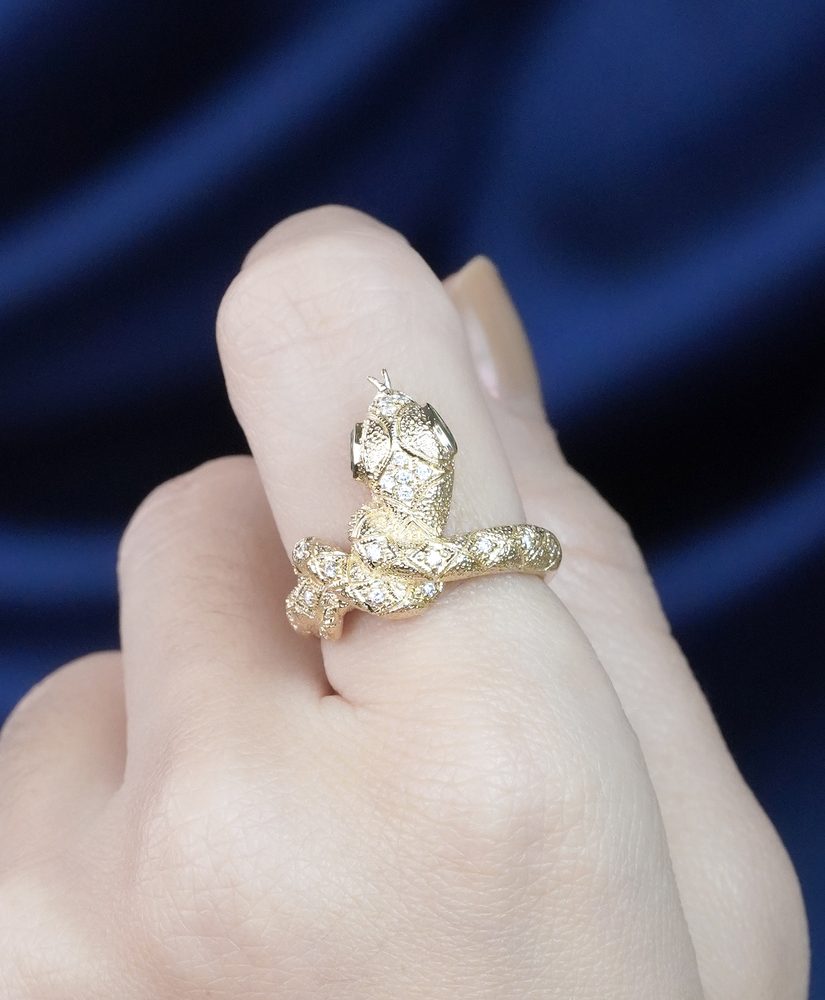
The Art of the Wild
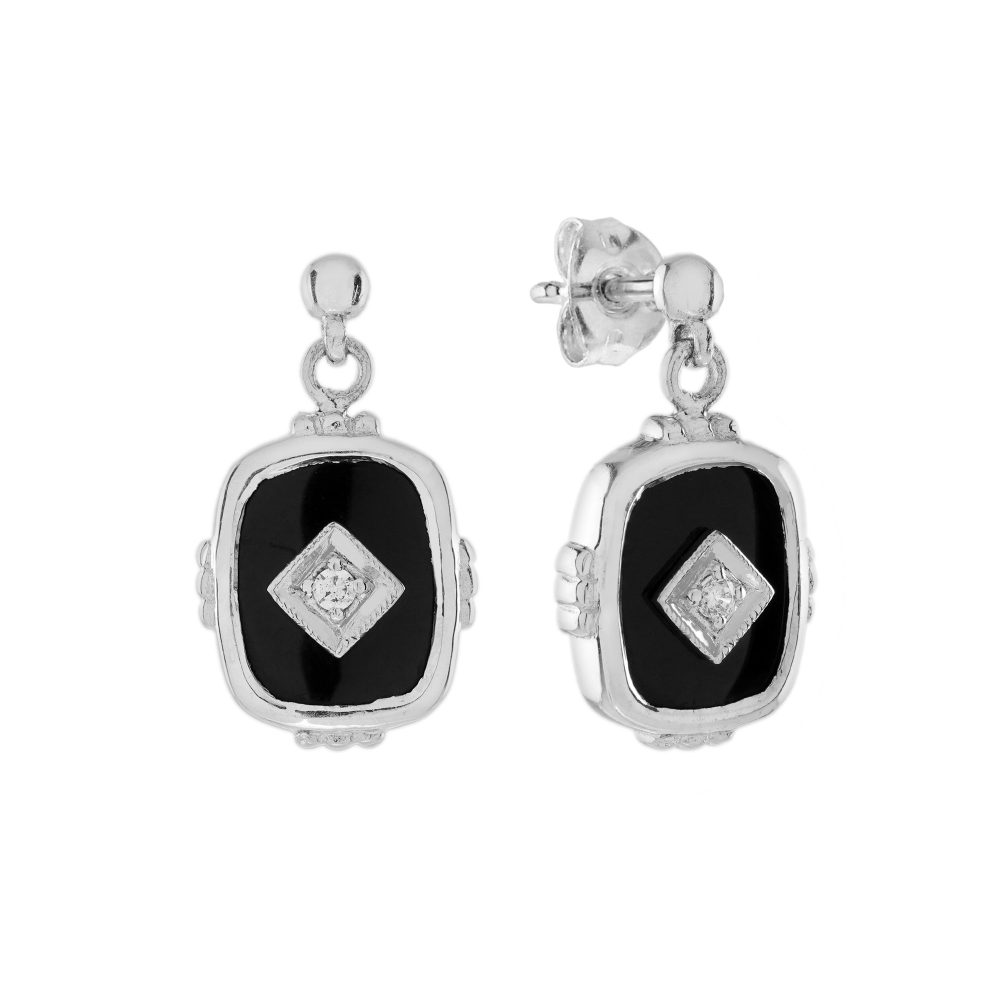
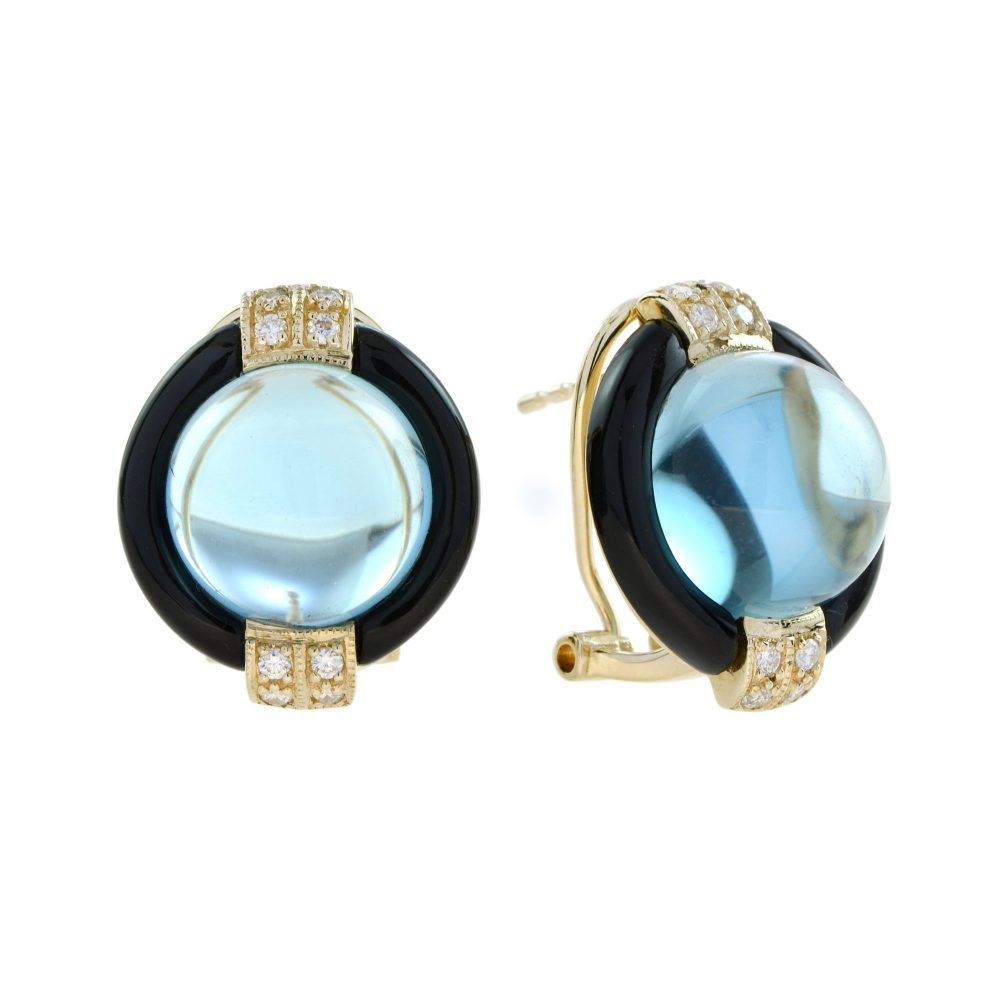
Stud Earrings
Solid Gold vs Gold Plated: Frequently Asked Questions
What is the difference between solid gold, gold-filled, and gold-plated?
Solid gold is karat gold alloy all the way through the piece, with no coating and no base metal. Gold-filled is a base metal with a substantial layer of karat gold mechanically bonded to it, at least 1/20th of the total weight by law. Gold-plated (and gold electroplate) is a base metal with a thin gold layer deposited electrically, measured in millionths of an inch rather than a share of the total weight. The thicker the gold, the longer the piece lasts.
Does gold-filled or gold-plated jewelry last longer?
Gold-filled lasts considerably longer. Its gold layer is a fixed, substantial fraction of the piece’s total weight, so it typically holds up for years to decades of regular wear. Gold-plated jewelry has a much thinner coating and often shows base metal within months to a couple of years, especially at points of heavy contact like a ring band or a clasp.
How can you tell if jewelry is solid gold, gold-filled, or gold-plated?
Check the stamp. Solid gold carries a karat number or its metric equivalent, such as “14K” or “585.” Gold-filled is marked with a weight fraction plus karat, such as “1/20 12K GF.” Gold-plated or gold electroplate pieces are marked “GP,” “GEP,” or “gold electroplate,” often without a fraction. No stamp at all is itself a signal worth asking about before buying.
Can gold-filled or gold-plated jewelry be resized?
Only within limits. Gold-filled has some room for resizing because its gold layer is genuinely thick, but resizing by more than a size or two can expose the base metal at the seam. Gold-plated and gold electroplate jewelry generally cannot be resized or repaired without damaging the coating, and the piece typically needs replating afterward. Solid gold is the only one of the three that can be resized and repaired indefinitely.
Is gold-filled or gold-plated better for sensitive skin?
Gold-filled is generally better, because skin reactions are usually to the base metal underneath, not to the gold itself, and a gold-filled layer is thick enough to keep that base metal covered through ordinary wear. A thin gold-plated coating wears through faster and can expose the reactive base metal directly against the skin. For known metal sensitivity, solid gold is the safest choice of all, since there is no base metal anywhere in the piece.